Advanced Ceramic Solutions for Demanding Industries
Explore how engineered ceramic components support wear resistance, insulation, thermal stability, corrosion performance and precision across mission-critical industrial applications.
Explore Ceramic Solutions by Industry
Navigate directly to the industries where advanced ceramic components solve wear, insulation, thermal, corrosion and precision challenges.
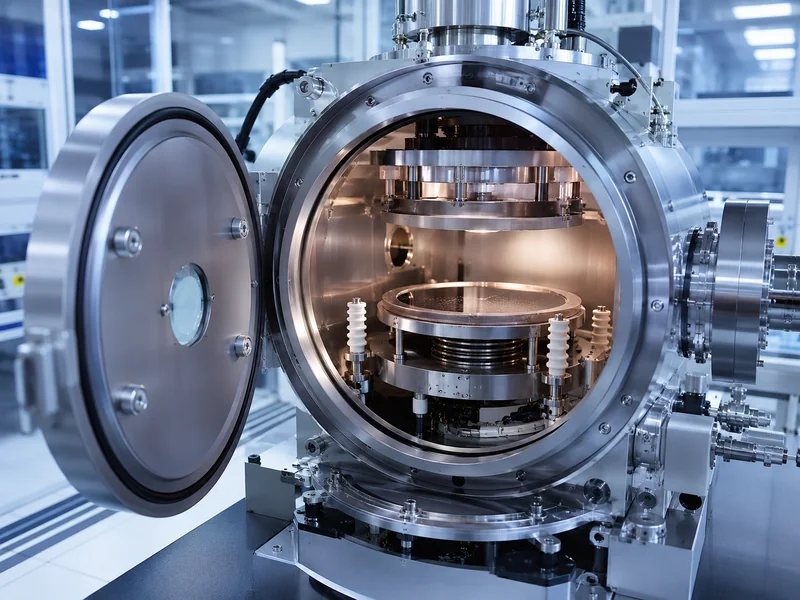
Semiconductor
Ceramic solutions for process equipment, cleanroom tools and contamination-sensitive assemblies.
Explore Solution →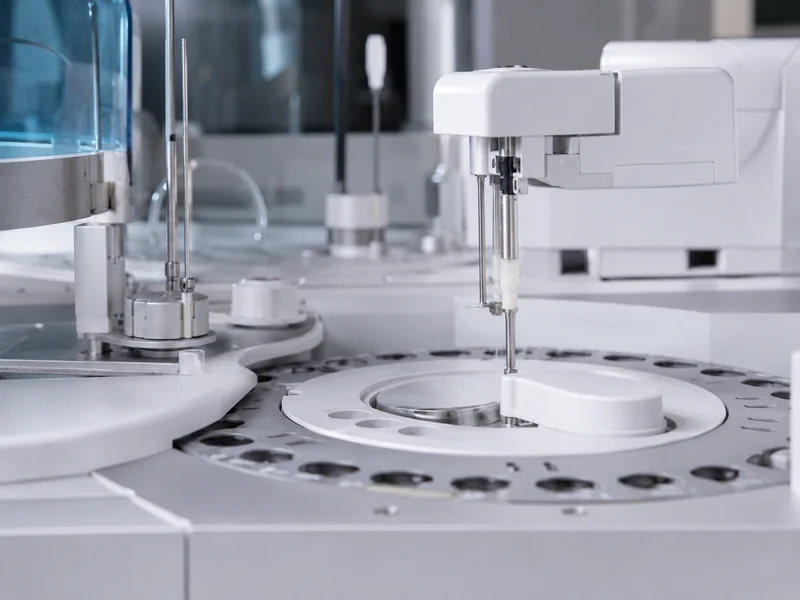
Medical Equipment
Application support for precision instruments, analytical systems and medical equipment assemblies.
Explore Solution →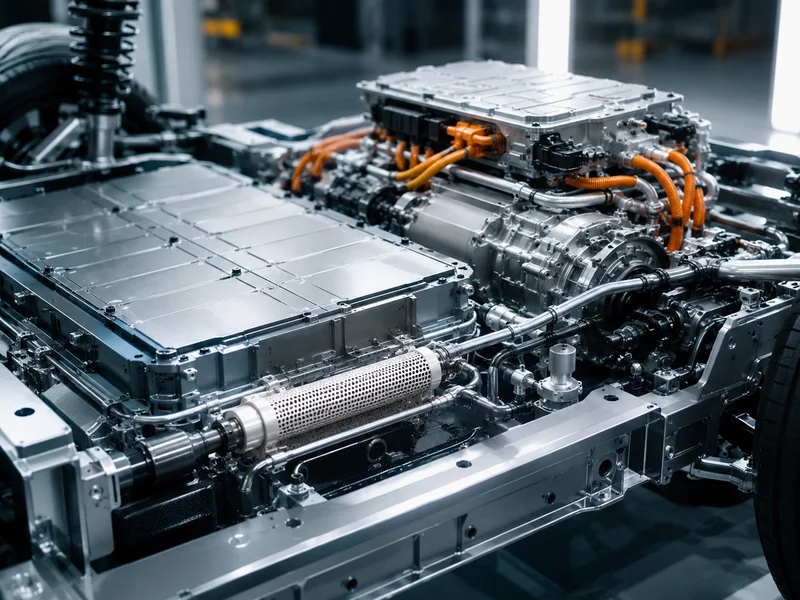
Automotive & E-Mobility
Ceramic paths for electrified systems, thermal management and insulated high-performance components.
Explore Solution →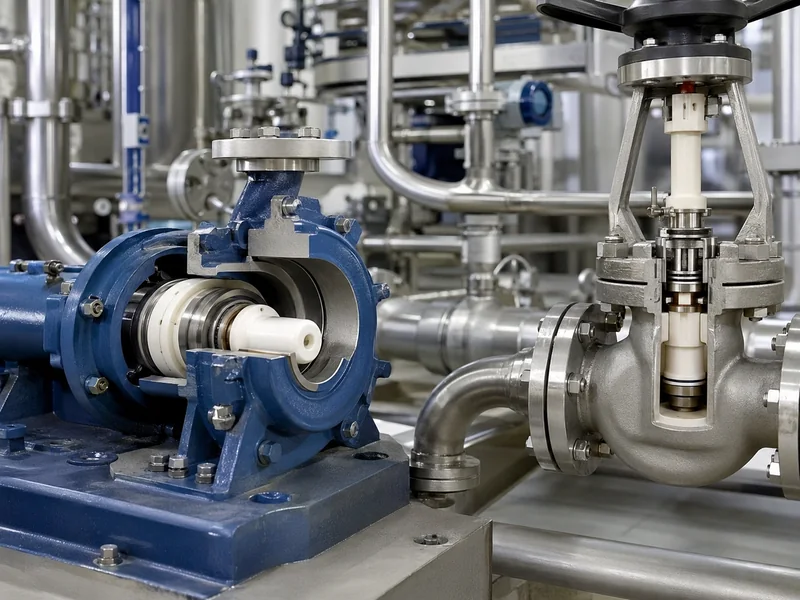
Fluid Handling
Ceramic components for pumps, valves, sealing interfaces and demanding fluid-control systems.
Explore Solution →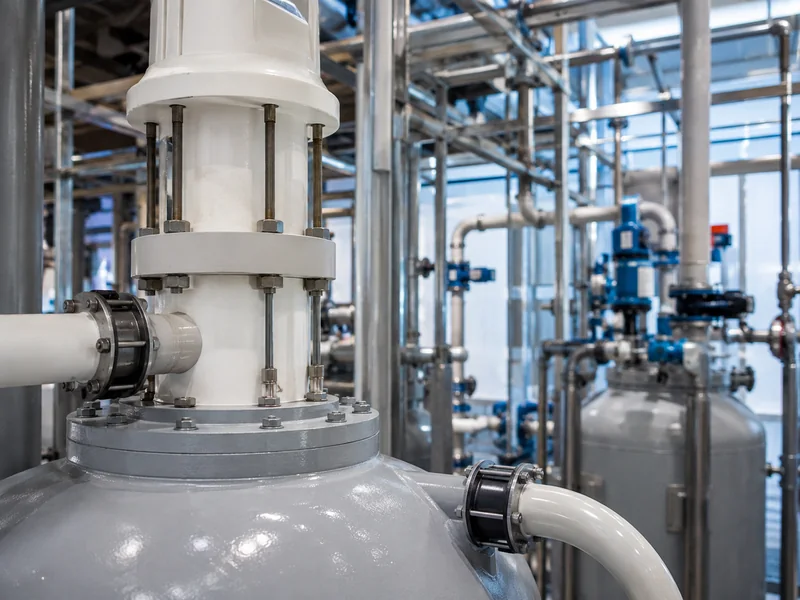
Chemical Processing
Solutions for aggressive media, high-temperature service and corrosion-sensitive process equipment.
Explore Solution →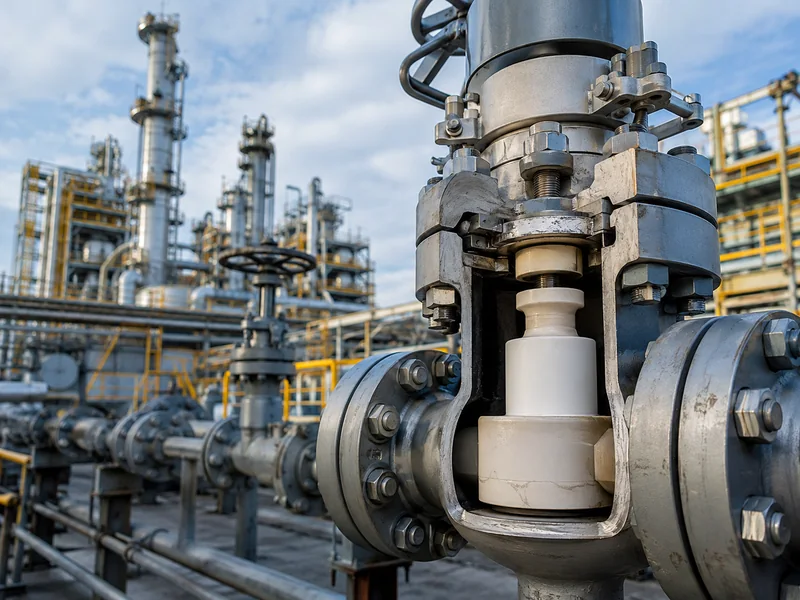
Oil & Gas
Ceramic components for high-pressure systems, abrasive service and reliability-critical equipment.
Explore Solution →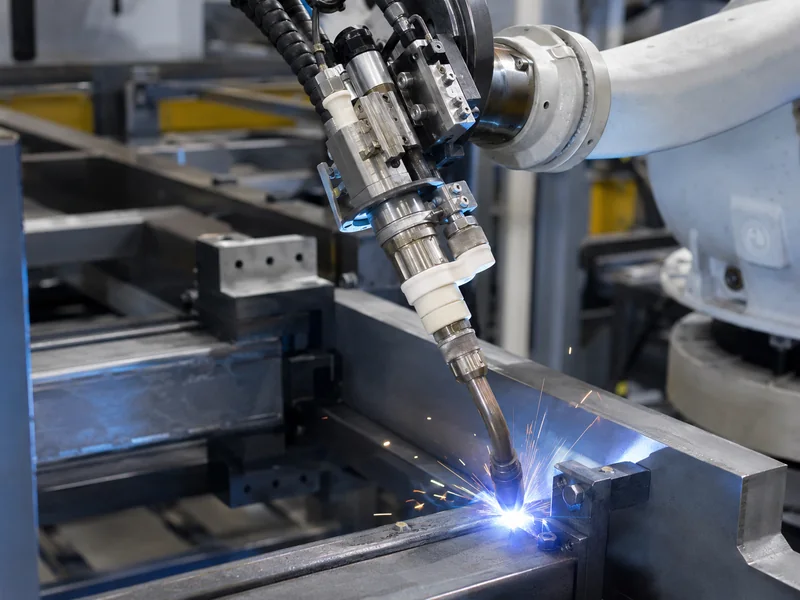
Welding
Ceramic insulating and wear-resistant parts for welding tools, fixtures and thermal shielding.
Explore Solution →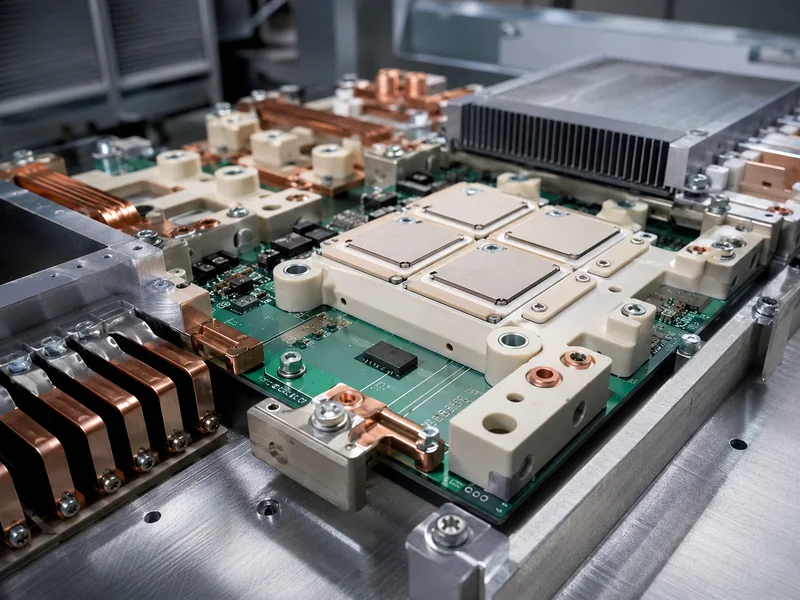
Electronics
Ceramic substrates, insulators and thermal-control parts for electronics and power assemblies.
Explore Solution →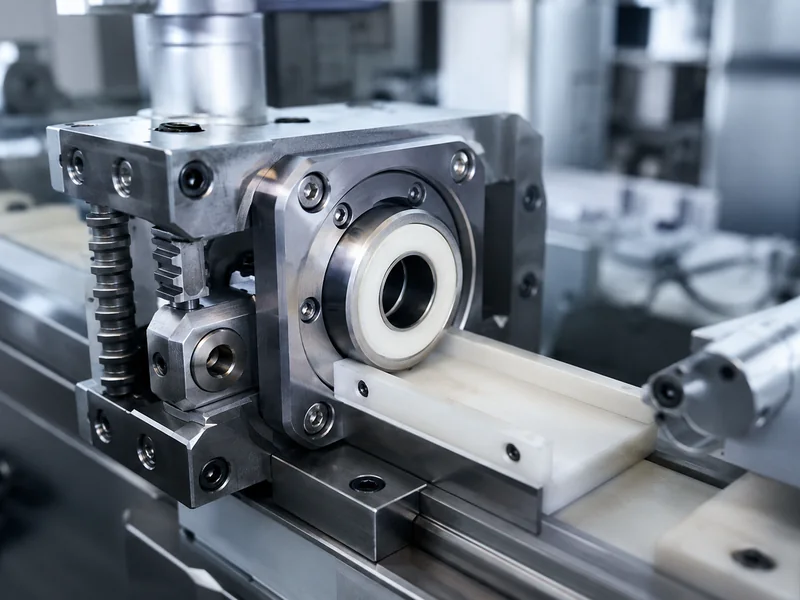
Industrial Machinery
Bushings, guides, bearings and engineered wear parts for heavy-duty and precision machinery.
Explore Solution →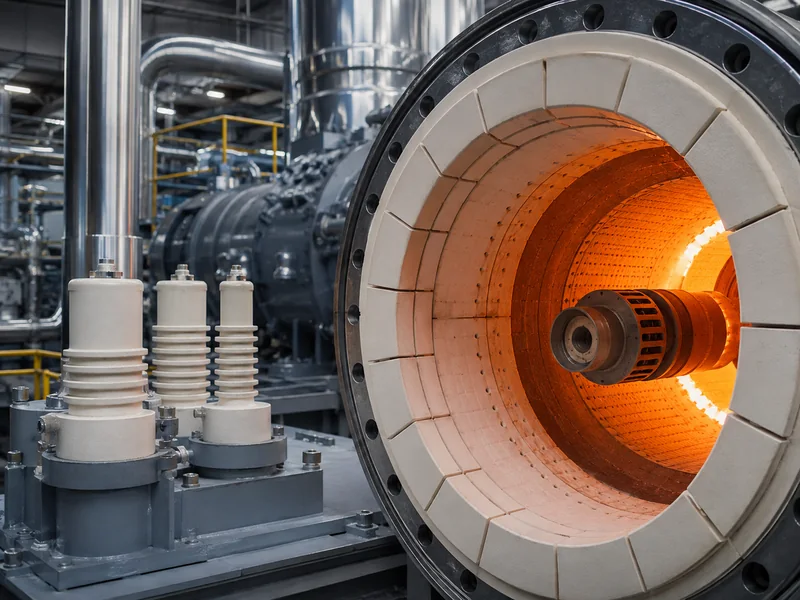
Energy
Ceramic applications for high-temperature equipment, power systems and thermal process environments.
Explore Solution →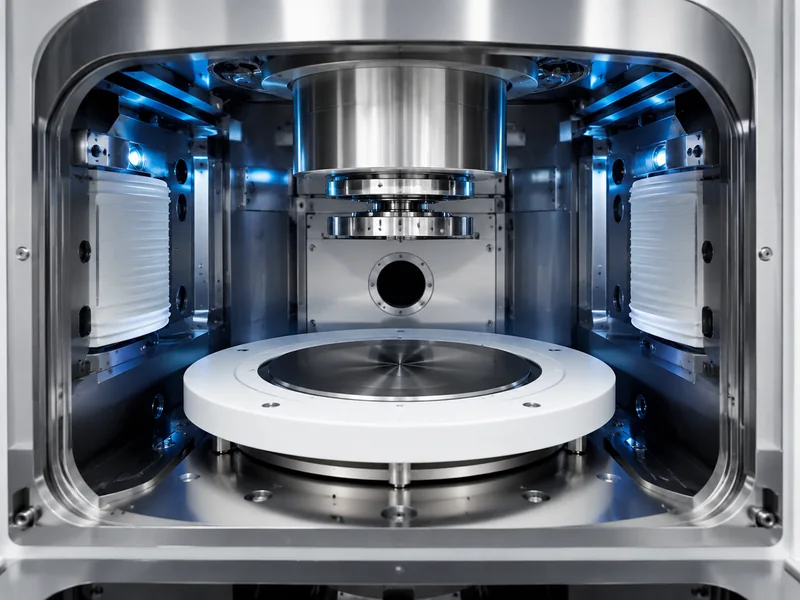
Vacuum Equipment
Precision ceramic solutions for vacuum chambers, controlled environments and clean process systems.
Explore Solution →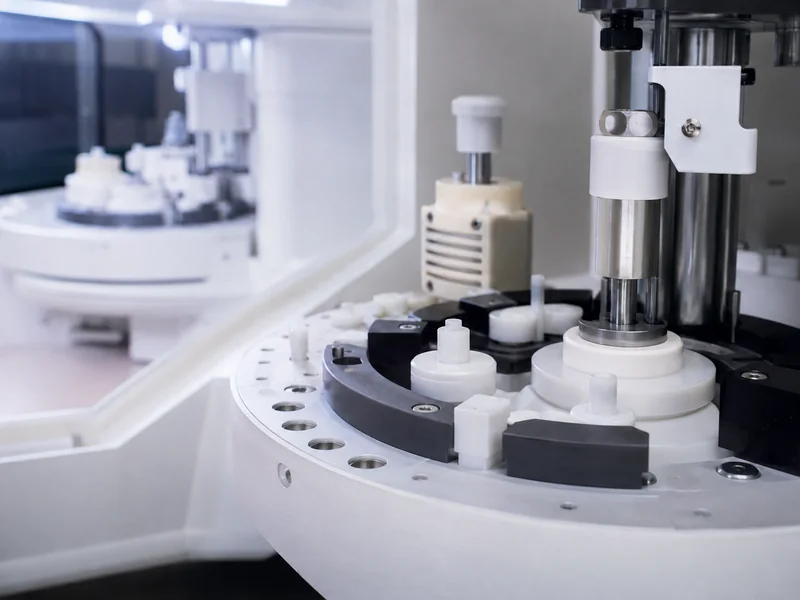
Laboratory & Analytical
Ceramic components for analytical instruments, laboratory systems and precision handling assemblies.
Explore Solution →Start with the Performance Requirement
Use the dominant operating condition to identify the most relevant ceramic application path.
High Wear
Abrasion, sliding contact or dimensional loss.
Fluid Handling · Machinery · Oil & GasHigh Temperature
Hot zones, temperature cycling or sustained thermal exposure.
Energy · Welding · ChemicalElectrical Insulation
Stable electrical isolation in demanding equipment.
Electronics · Semiconductor · E-MobilityThermal Management
Heat transfer or heat control with dimensional stability.
Electronics · Semiconductor · E-MobilityCorrosive Media
Chemical exposure, process fluids or aggressive service.
Chemical · Fluid Handling · Oil & GasVacuum / Clean Environment
Vacuum duty, process cleanliness and contamination control.
Semiconductor · Vacuum · AnalyticalPerformance Requirements Across Industries
Different applications emphasize different combinations of wear, toughness, electrical behavior, thermal performance, chemical resistance and precision.
| Industry | Wear | Toughness | Electrical | Thermal | Chemical | Precision |
|---|---|---|---|---|---|---|
| Semiconductor | ●● | ●● | ●●●● | ●●●● | ●●● | ●●●●● |
| Medical Equipment | ●● | ●●● | ●●● | ●● | ●●● | ●●●● |
| Automotive / E-Mobility | ●●● | ●●● | ●●●● | ●●●● | ●● | ●●● |
| Fluid Handling | ●●●●● | ●●● | ● | ●● | ●●●● | ●●●● |
| Chemical Processing | ●●● | ●● | ● | ●●● | ●●●●● | ●●● |
| Industrial Machinery | ●●●●● | ●●●● | ● | ●● | ●● | ●●●● |
| Vacuum Equipment | ●● | ●● | ●●● | ●●● | ●●● | ●●●●● |
Equipment → Component → Material
A reliable ceramic solution starts with the application, then defines the component, and finally confirms the most suitable material path.
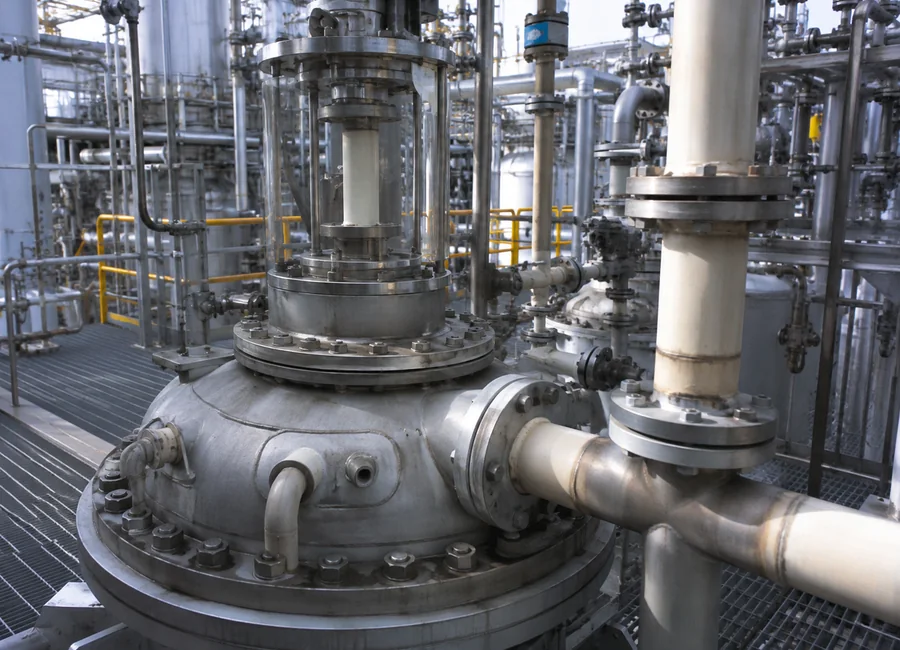
Define the operating environment, process conditions and failure risks that shape the application.
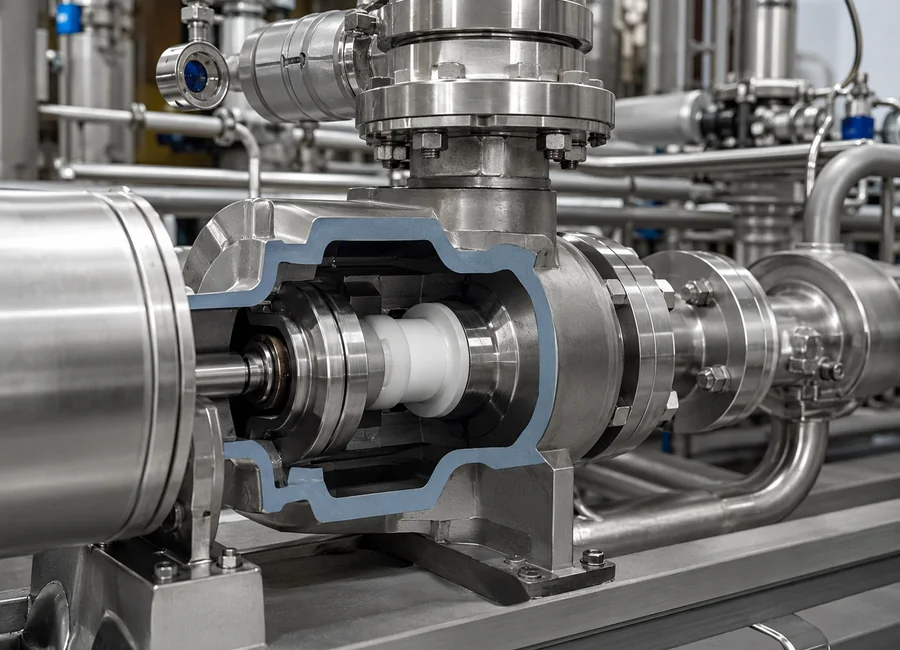
Confirm the part function, geometry, interfaces, tolerance and critical performance target.
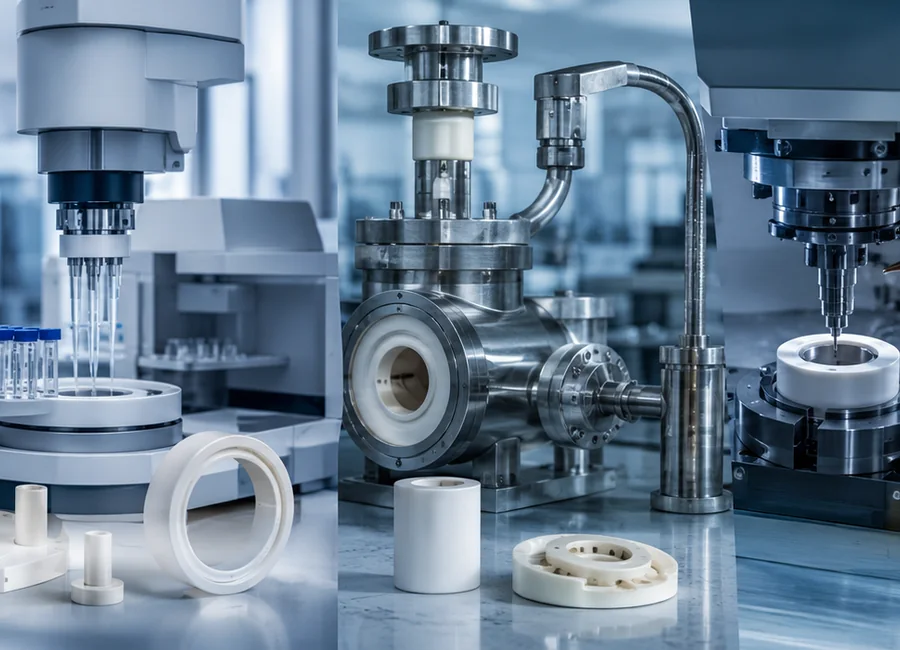
Select the ceramic family only after the application and component requirements are clearly established.
Common Ceramic Components by Industry
Use this matrix to connect each industry page with the component families most often evaluated for that application.
| Industry | Common Component Examples |
|---|---|
| Semiconductor | Insulators, substrates, precision rings, feedthrough and equipment components |
| Medical Equipment | Precision ceramic parts, guides, insulating and wear components |
| Fluid Handling | Plungers, sleeves, valve components, pump components |
| Welding | Insulators, nozzles, guides and wear-resistant ceramic parts |
| Electronics | Substrates, insulators, feedthrough and thermal-management components |
| Industrial Machinery | Bushings, shafts, guides, bearings and wear parts |
| Laboratory / Analytical | Crucibles, tubes, plates, fixtures and instrument components |
Typical Material Evaluation Paths
| Industry | Material Families to Evaluate |
|---|---|
| Semiconductor | Alumina, aluminum nitride and silicon nitride where confirmed by application |
| Medical Equipment | Alumina, zirconia and other confirmed grades based on function |
| Fluid Handling | Alumina, zirconia and other wear- or corrosion-focused ceramic grades |
| Electronics | Alumina, aluminum nitride and confirmed substrate material families |
| Industrial Machinery | Alumina, zirconia and silicon nitride where mechanical duty justifies them |
| High Temperature / Energy | Alumina, boron nitride and silicon nitride depending on temperature and load |
| Laboratory / Analytical | Alumina, zirconia, boron nitride and application-specific materials |
What Happens When the Ceramic Solution Is Wrong?
The best-looking material data sheet does not help if the selected ceramic does not match the real operating condition and failure mode.
Insufficient Toughness
Geometry or material may be too brittle for load, impact or assembly.
Possible result: cracking or fracture.Wrong Wear Material
Sliding or abrasive contact may remove material faster than expected.
Possible result: dimensional loss and downtime.Poor Thermal Match
Thermal expansion or heat flow may not match the assembly.
Possible result: thermal stress or joint failure.Chemical Mismatch
Media, atmosphere or cleaning process may not suit the selected grade.
Possible result: degradation and shorter service life.Wrong Surface / Tolerance
Excessive or insufficient precision can harm fit, sealing or cost.
Possible result: assembly problems or unnecessary machining.Why Different Applications Need Different Manufacturing Routes
Application conditions influence forming, machining, finishing, joining and inspection requirements throughout the production process.
Precision Geometry
Critical fits, concentricity, flatness or dimensional control may require additional machining and inspection.
Route: precision machining / grinding / dimensional reviewWear Surfaces
Material, surface condition and geometry work together in sliding or abrasive contact.
Route: material selection + finish + tolerance reviewThermal Components
Thermal path, flatness, joining surface and system interface can matter as much as the base material.
Route: thermal requirement + DFM + interface reviewCeramic-to-Metal Integration
Joining, thermal expansion, assembly load and interface geometry can introduce failure risk.
Route: assembly review + joining strategy + verificationInspection Should Follow the Application Risk
Critical dimensions, mating surfaces, wear features and functional performance should be checked according to how the part actually works in the equipment.
Application-Risk Logic
Inspection planning should reflect the drawing, component function, quality level and failure consequence. The goal is practical verification, not unnecessary checking for features that do not matter in service.
Application Engineering Examples
Representative solution paths show how application requirements translate into the right component design and material choice.
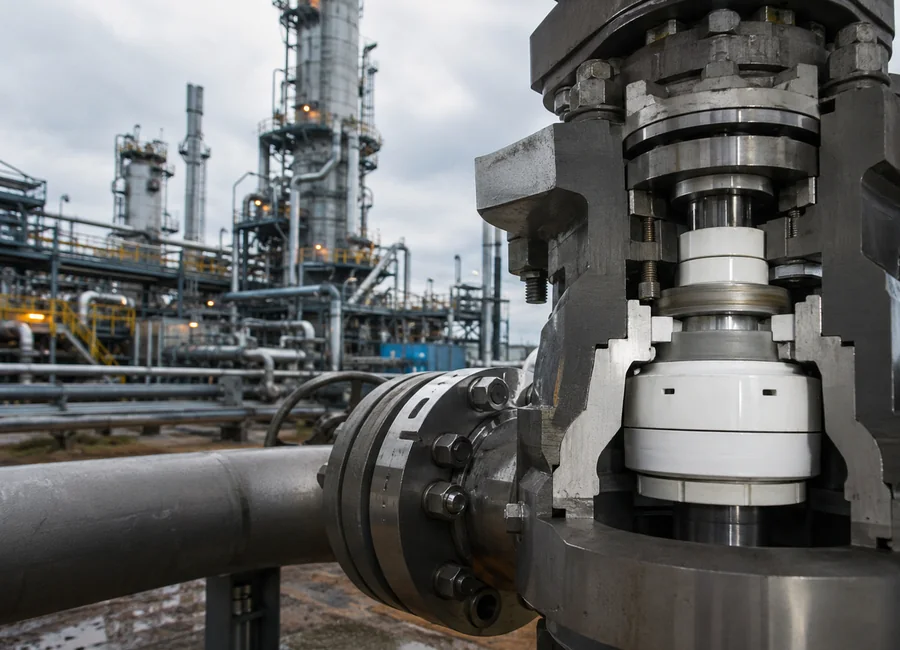
Pump / Valve Wear Solution
Ceramic sleeves, seats and wear components help improve sealing stability, resist abrasion and extend service life in demanding fluid systems.
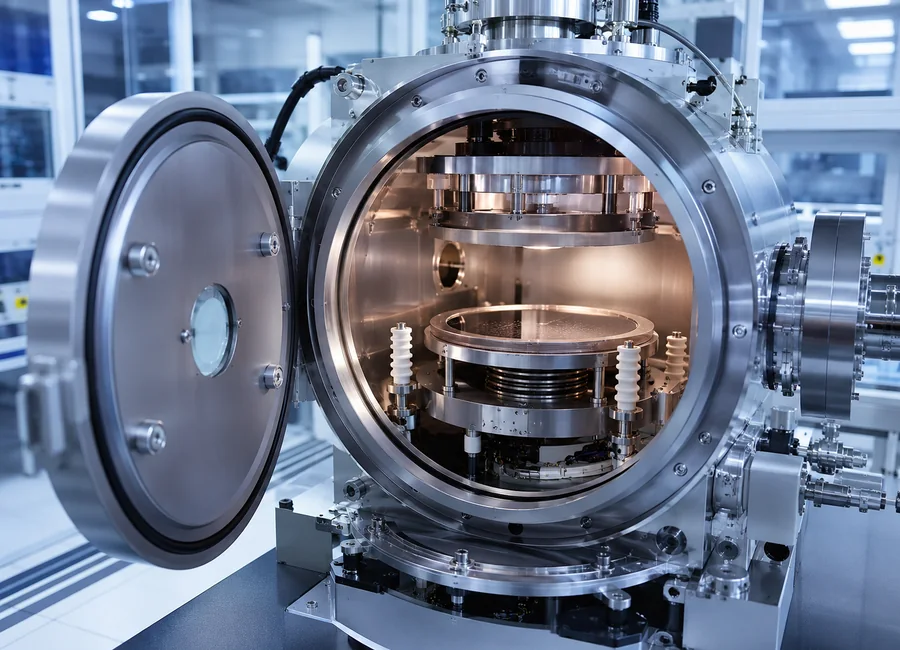
Precision Insulator Application
High-purity ceramic insulators support dimensional stability, electrical isolation and process cleanliness in advanced semiconductor equipment.
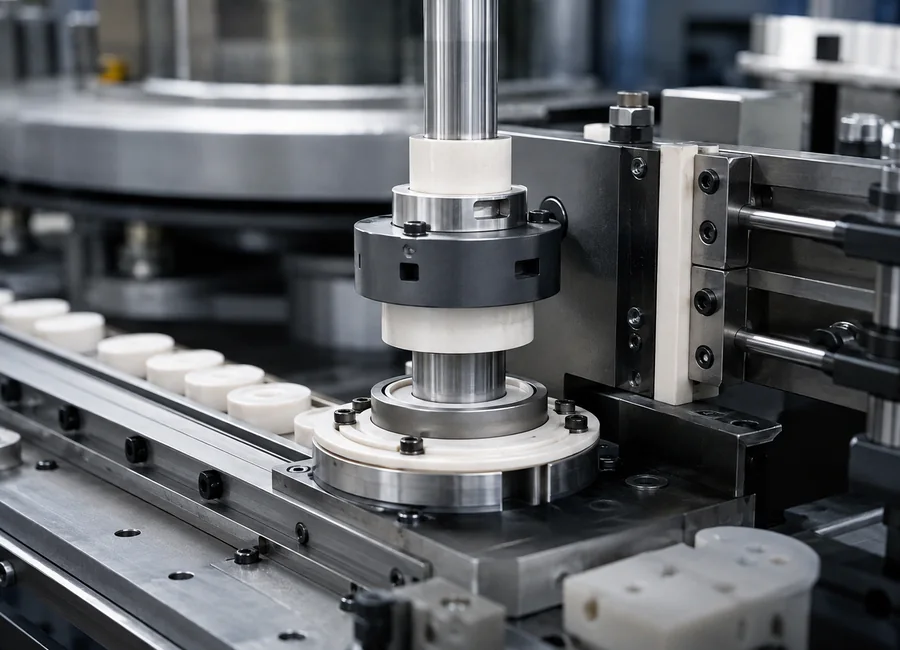
Wear / Bearing Component Route
Ceramic bearings, guides and wear parts improve dimensional retention and reduce maintenance in high-duty industrial machinery.
Which Solution Path Should You Explore First?
Choose the entry point that matches the actual problem you need to solve, not just the material name you already know.
Start with Fluid Handling
Best for projects where abrasion, sealing stability, corrosion exposure and service life are the main concerns.
Start with Semiconductor / Vacuum
Best for projects that depend on cleanliness, tight dimensional control, vacuum compatibility and electrical isolation.
Start with Electronics / E-Mobility
Best for applications that combine thermal management requirements with stable electrical insulation.
Go Directly to Engineering Review
Use the engineering route when the drawing, failure issue or performance target is already clearly defined.
Problems That Make Ceramic Sourcing Harder Than It Needs to Be
A strong application brief usually saves more time than repeated quotation rounds built on incomplete information.
Choosing material first
The operating environment and dominant failure mode should be defined before locking the material family.
Consequence: technically impressive material, wrong application fit.Copying another machine’s specification
Load, media, speed, temperature and assembly conditions can differ even when the part looks similar.
Consequence: repeated failure or unnecessary cost.Ignoring assembly conditions
Press fits, metal interfaces and thermal expansion can dominate failure risk.
Consequence: a good ceramic part cracks after installation.Quoting without application data
Missing load, temperature, media, tolerance or failure information forces the supplier to make assumptions.
Consequence: weak engineering review and unstable quotation scope.What to Send for an Application Review
A concise technical brief is enough to start a useful engineering discussion.
Have an Application Problem, Not a Part Number?
Share the equipment, operating conditions, failed component or drawing. Our review can start from the application requirement and move toward the right ceramic component and material path.
Frequently Asked Industry Application Questions
Start with the Application. Then Define the Ceramic.
A reliable ceramic solution connects equipment conditions, component function, material choice, manufacturability and inspection before production begins.