Linear Precision
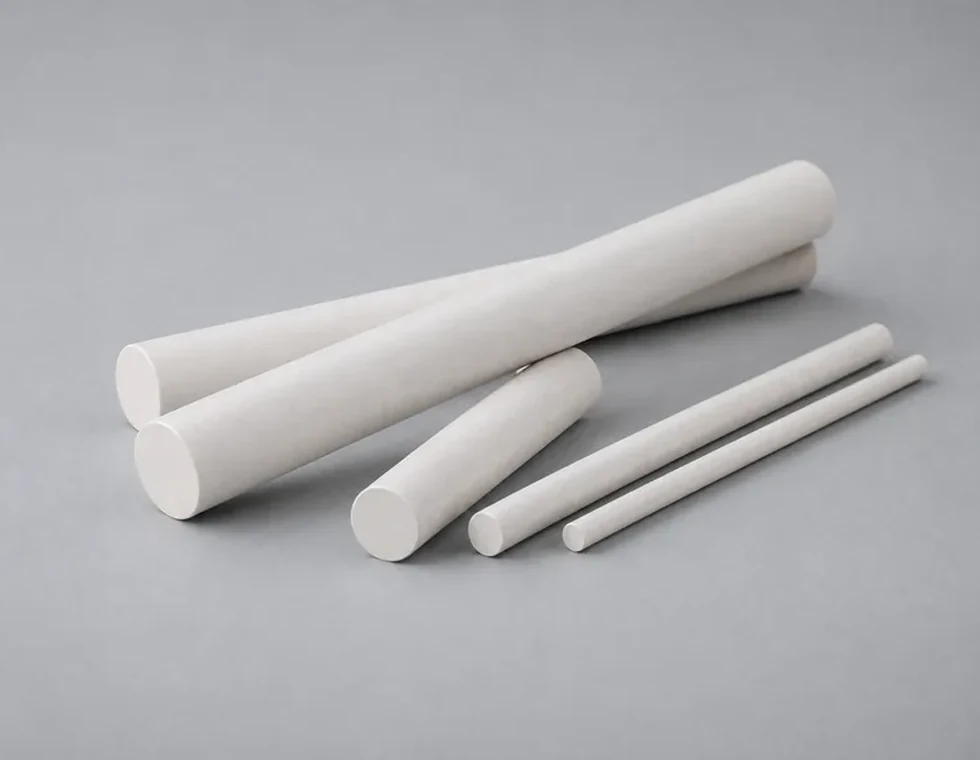
Precision Ceramic Rods & Shafts
Controlled diameter, straightness and surface finish for guiding, rotation, support and fine-motion assemblies.
Precision ceramic components for assemblies where geometry, surface condition and repeatability directly affect performance. UNIPRETEC supports tight-tolerance ceramic parts for motion systems, fluid-control equipment, electrical assemblies and high-spec industrial applications.
Precision ceramic parts are selected not only by shape, but by how accurately they locate, move, seal, insulate or interact with adjacent components.
Critical diameters, thicknesses and feature locations controlled for assemblies where fit and tolerance directly affect performance.
Ground, lapped or polished ceramic surfaces prepared for sliding, sealing, locating or other contact-sensitive functions.
Roundness, straightness, flatness and concentricity reviewed where the component must move or mate predictably in service.
Consistent part-to-part quality for customers who need prototypes to scale into stable production programs.
The following component types are often specified when the application calls for tight dimensional control, reliable surfaces and repeatable function.
Controlled diameter, straightness and surface finish for guiding, rotation, support and fine-motion assemblies.
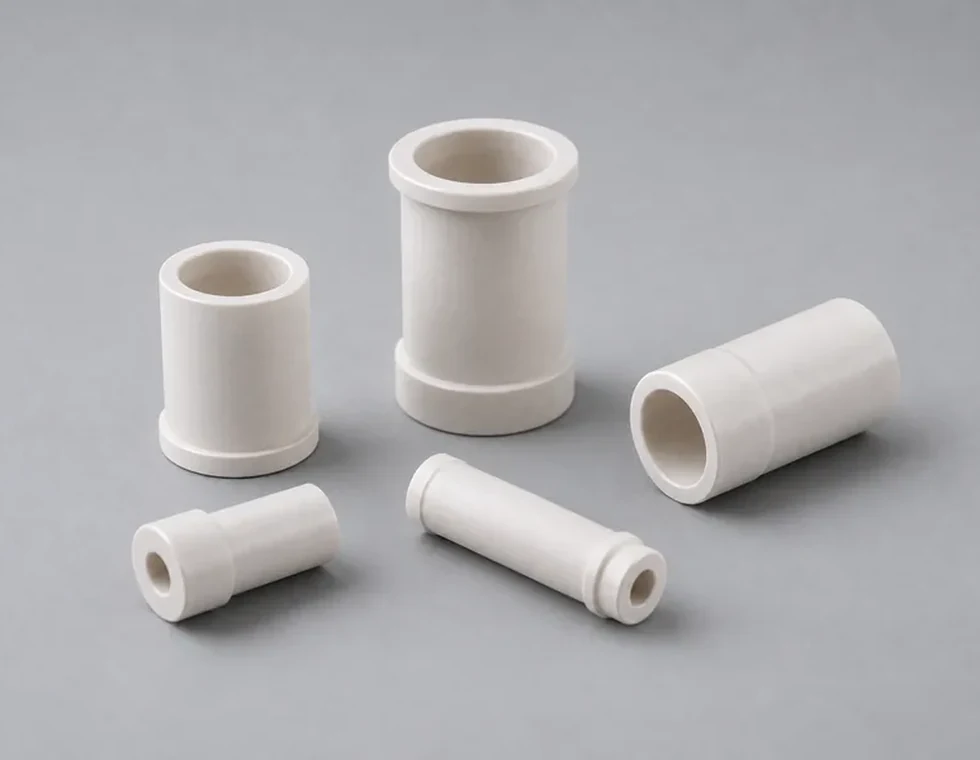
Designed for close-fit assemblies where bore quality, wall stability and dimensional consistency influence service behavior.
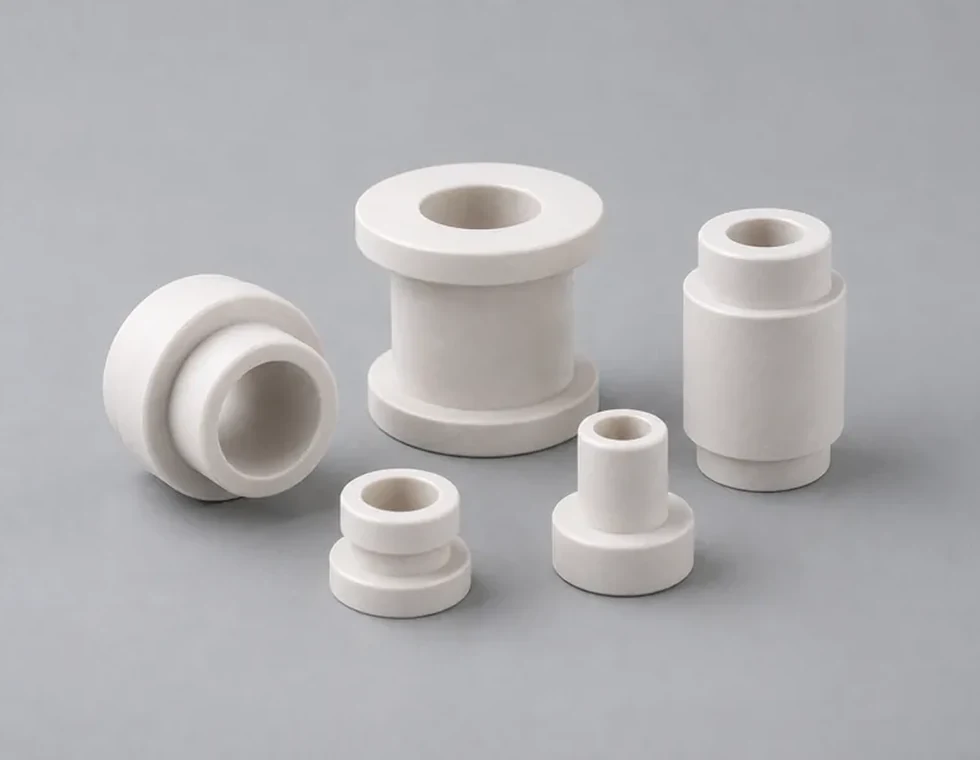
Engineered for shaft support, rotational stability and controlled wear in demanding mechanical environments.
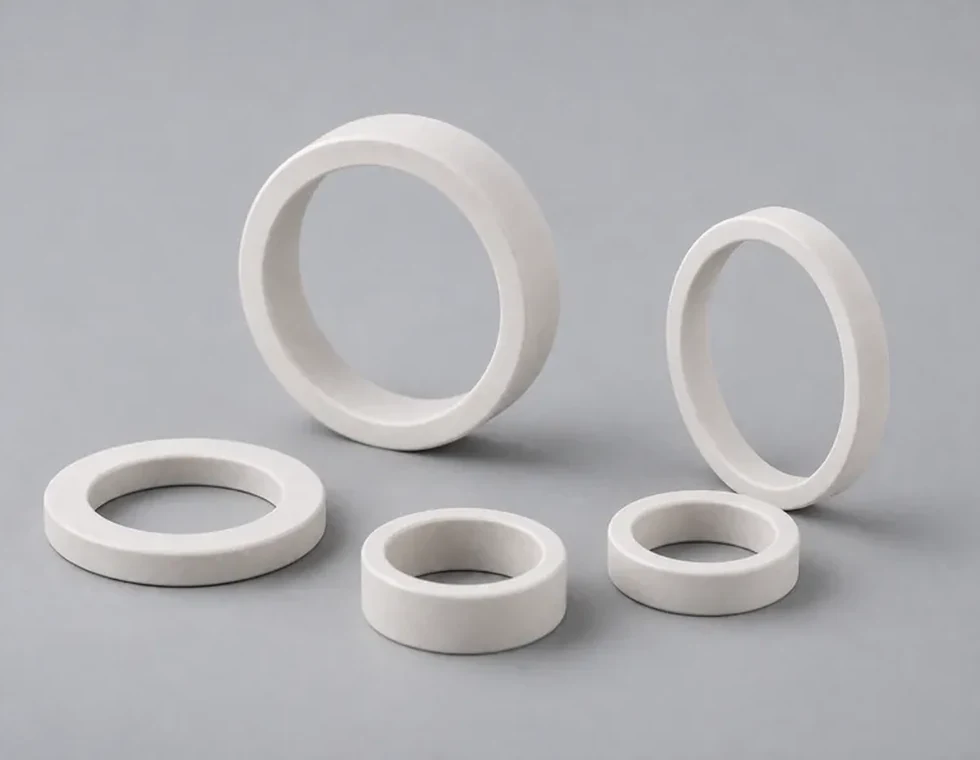
Controlled OD, ID, thickness and face quality for spacing, insulation, sealing support and rotating assemblies.
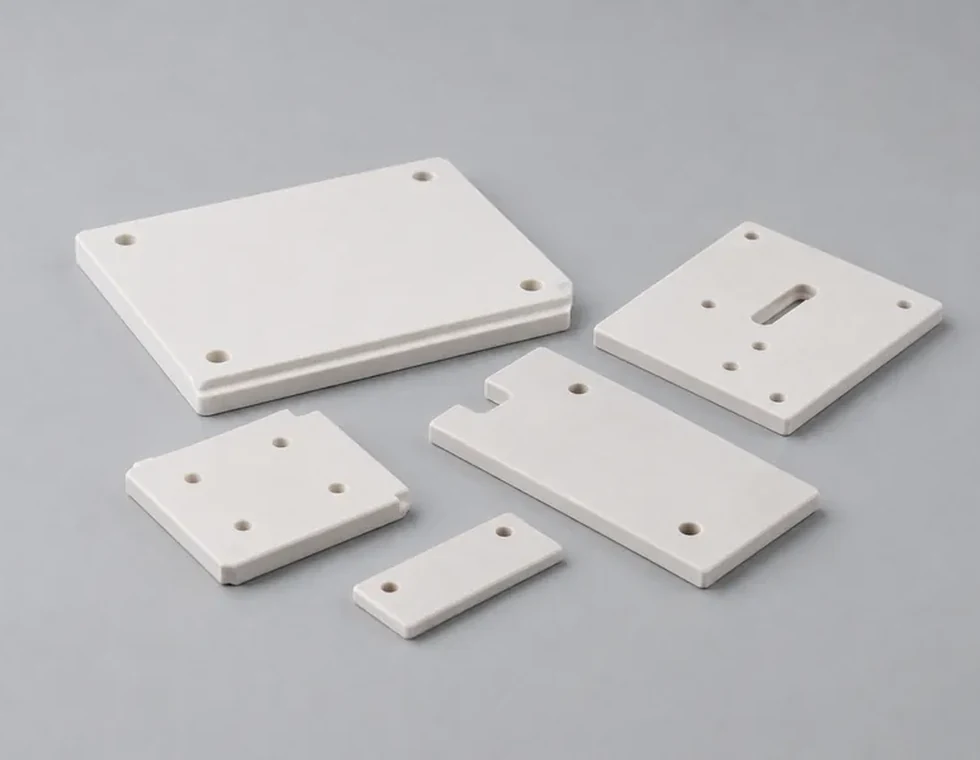
Flat and dimensionally stable ceramic parts for substrates, spacers, support plates and controlled-contact surfaces.
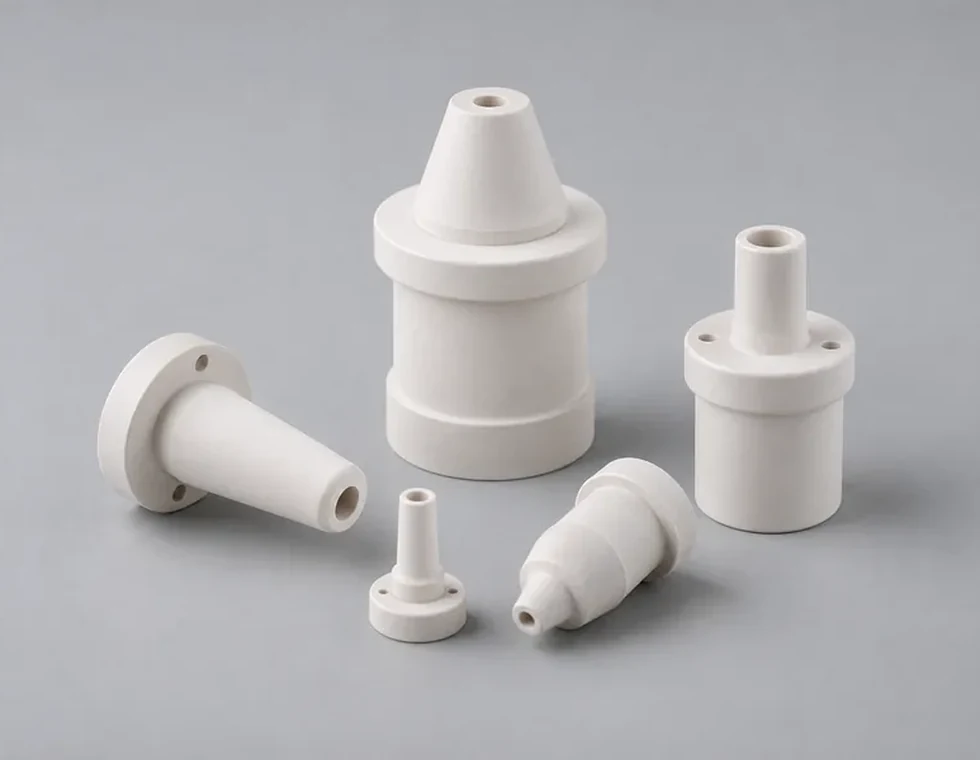
Precision bores, orifices and outlet geometry for systems where flow consistency and wear resistance must work together.
Tight tolerances add value only when they are applied to the dimensions and surfaces that matter in the final assembly. Functional precision is more important than decorative complexity.
Reference the surfaces and axes that truly locate the part in the assembly so critical dimensions are measured from meaningful points.
Review the shaft, bore, housing, seal or contact surface that interfaces with the ceramic part so the fit is realistic and repeatable.
Sliding, sealing, rolling and positioning surfaces often require different finish levels from non-functional faces.
Prioritize tight tolerance on the dimensions that control movement, contact and alignment rather than tightening every dimension equally.
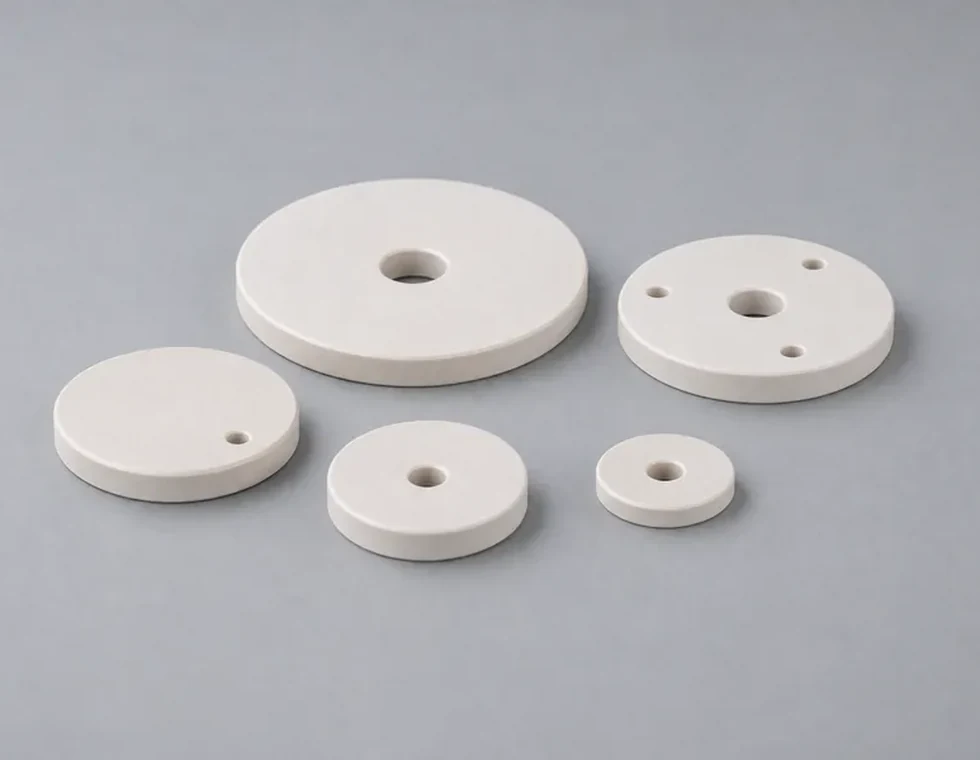
Precision ceramic components are often defined by a small set of geometry controls that directly influence fit, movement, sealing or electrical performance.
Precision geometry alone is not enough. The selected ceramic must also match the mechanical, electrical, thermal and chemical demands of the application.
A strong choice for precision insulators, wear components and dimensionally stable parts used across a broad range of industries.
Useful where higher toughness, local impact resistance or demanding contact behavior must be balanced with precision machining.
Relevant for high-performance rotating, mechanical or thermal-shock applications that need low density and strong reliability.
Other technical ceramics can be evaluated when thermal conductivity, purity, dielectric performance or non-wetting behavior becomes critical.
Even a very accurate ceramic part can perform poorly if the drawing, mating parts or surface requirements are not defined with the application in mind.
If the drawing does not clearly show how the part is located and measured, the resulting precision may not align with the actual assembly requirement.
A precision ceramic component should be reviewed together with the shaft, housing, seal or fastener it interfaces with, otherwise the fit may not work as intended.
Not every face requires the same surface finish. Over-specifying non-critical faces adds cost, while under-specifying critical contact areas can reduce performance.
These components are widely used where conventional materials struggle to provide the required combination of geometry control, wear behavior, insulation and service stability.
Ceramic parts used where dimensional repeatability, cleanliness and electrical performance support stable process control.
Precision ceramic nozzles, sleeves and valve-related components for controlled flow, chemical resistance and long service life.
Shafts, bushings, rings and support components where precision fit, wear resistance and stable movement are important.
Insulating ceramic components with controlled geometry for mounting, spacing and isolation duties.
Precision ceramic parts used in sample handling, measurement systems and temperature-sensitive equipment.
Custom precision ceramic components integrated into specialized equipment where consistent performance is required at scale.
Inspection for precision ceramic components should verify the dimensional and geometric controls that actually influence assembly function, not just nominal size.
The most useful RFQs for precision ceramic parts include the drawing together with the fit, motion, contact and environment details that define how the part actually works.
A precision ceramic component is typically defined by controlled dimensions, geometric tolerances, surface finish and repeatable performance in the final assembly.
Yes. Precision ceramic parts can be reviewed according to material, feature geometry, tolerances, surface conditions and the functional needs of the application.
Because the fit against a shaft, bore, seal, housing or contact surface often determines whether the specified tolerance and finish are truly appropriate for the component.
Yes. In many cases, it is more efficient to define surface requirements on the functional faces rather than applying the same finish level to every surface.
Please provide the drawing, critical tolerance requirements, material preference, mating-part details, surface-finish needs, application conditions and expected quantities.
Send your drawing and critical performance requirements for an engineering review focused on precision, fit and repeatability.