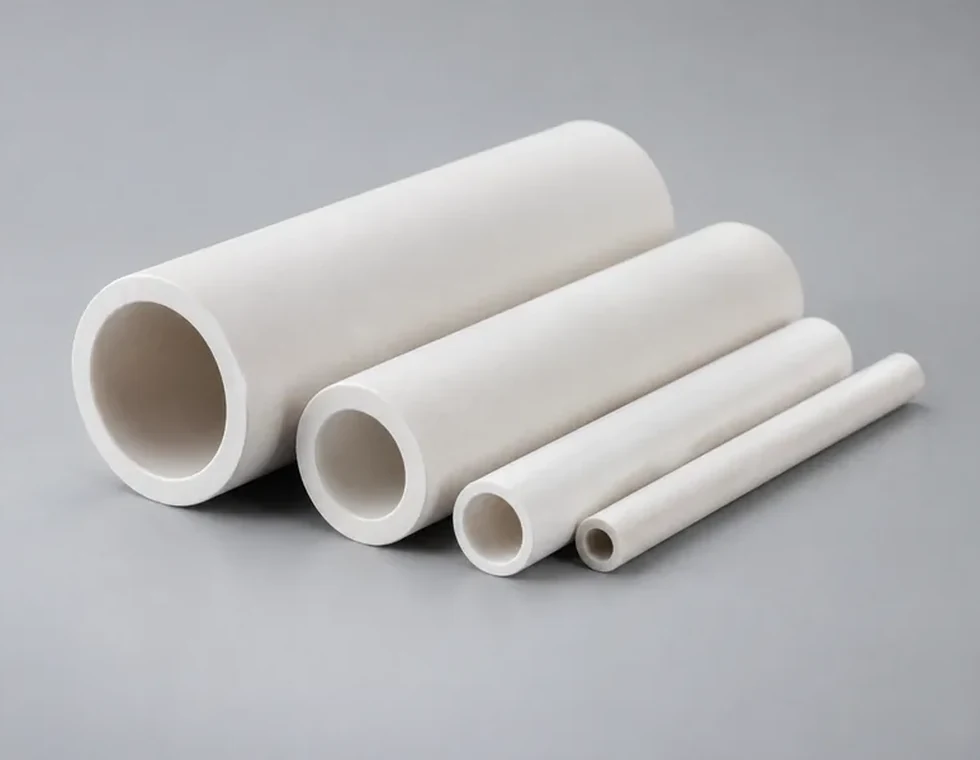
Tubular Components
Custom Ceramic Tubes
Custom OD, ID, length, wall thickness, end features and surface requirements for insulation, protection and process assemblies.
Custom ceramic components manufactured around your drawing, working conditions and critical interfaces. From simple tubes and plates to complex sleeves, bushings, rings, discs and flow components, UNIPRETEC helps turn functional requirements into manufacturable ceramic parts.
Custom ceramic design works best when the drawing is supported by the actual load, temperature, media, electrical and wear conditions of the assembly.
Components designed to separate conductive parts while maintaining geometry under clamping, heat or repeated operation.
Hard ceramic interfaces for sliding, guiding, abrasion or repeated contact where service life matters.
Custom ceramic components for pumps, valves, nozzles and process equipment exposed to aggressive media or precision flow.
Parts developed for temperature stability, controlled geometry and repeatable performance in demanding equipment.
Standard ceramic shapes can be adapted with application-specific dimensions, interfaces and secondary features to fit your equipment.
Custom OD, ID, length, wall thickness, end features and surface requirements for insulation, protection and process assemblies.
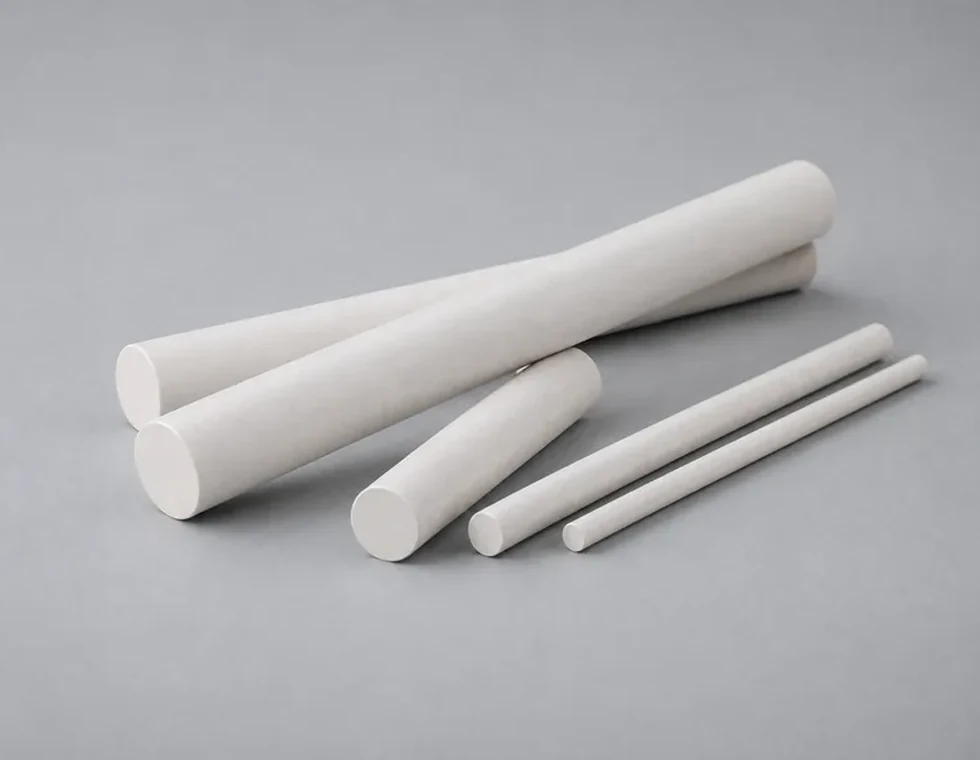
Precision diameters, straightness, journals, shoulders and working surfaces for guiding, rotation and mechanical interfaces.
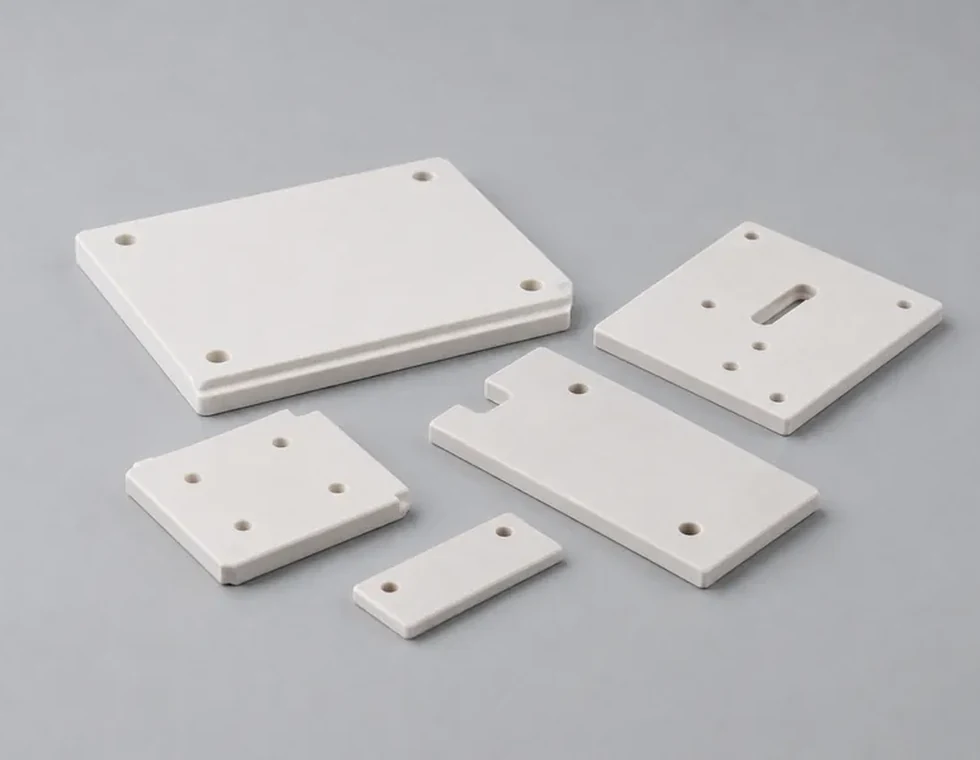
Custom length, width, thickness, flatness, holes, slots and surface conditions for structural, thermal and insulating applications.
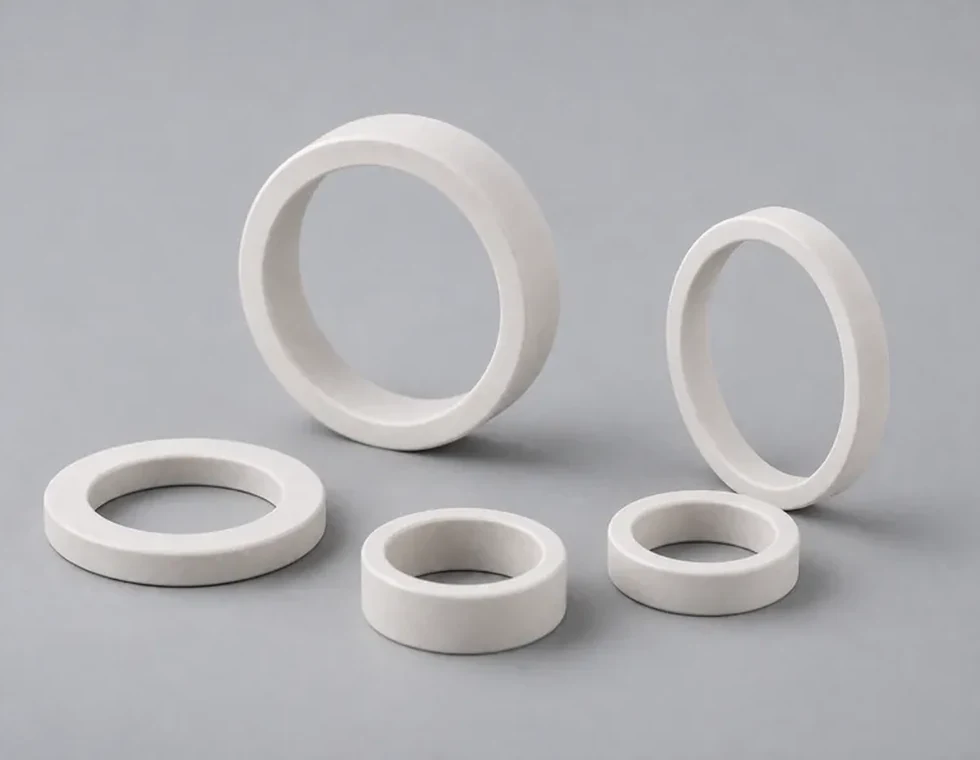
Custom OD, ID, thickness, concentricity and face control for insulation, spacing, sealing support and bearing interfaces.
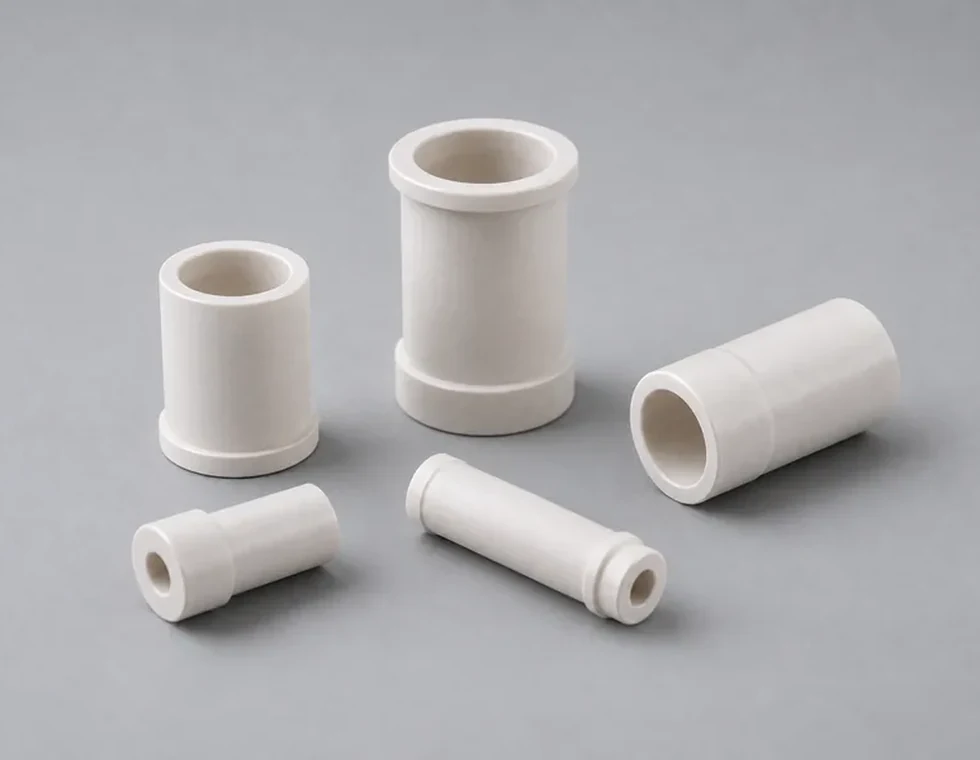
Engineered around shaft fit, housing fit, wall thickness, bore finish and load direction for wear and support applications.
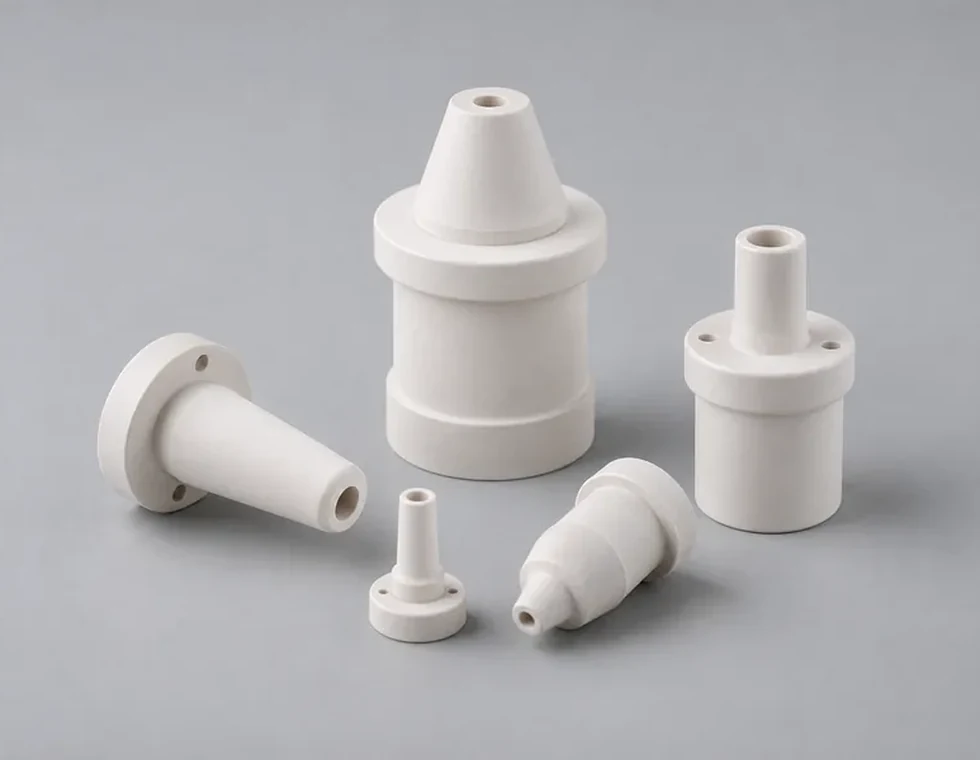
Custom orifices, bores, seats, passages and outlet geometries for precision flow, abrasive media and chemical service.
Ceramic components perform best when the drawing makes a clear distinction between functional dimensions and non-critical geometry. This helps concentrate precision where it creates value.
Identify the surfaces or axes that locate the component in the final assembly and control dimensional relationships from those references.
Mark bearing fits, sealing faces, sliding bores, electrical isolation zones or mounting surfaces that directly affect performance.
Show where compression, bending, impact, clamping or contact enters the component so geometry can avoid unnecessary stress concentration.
Temperature, media, speed, pressure, wear and electrical requirements help determine the most suitable ceramic and finishing route.
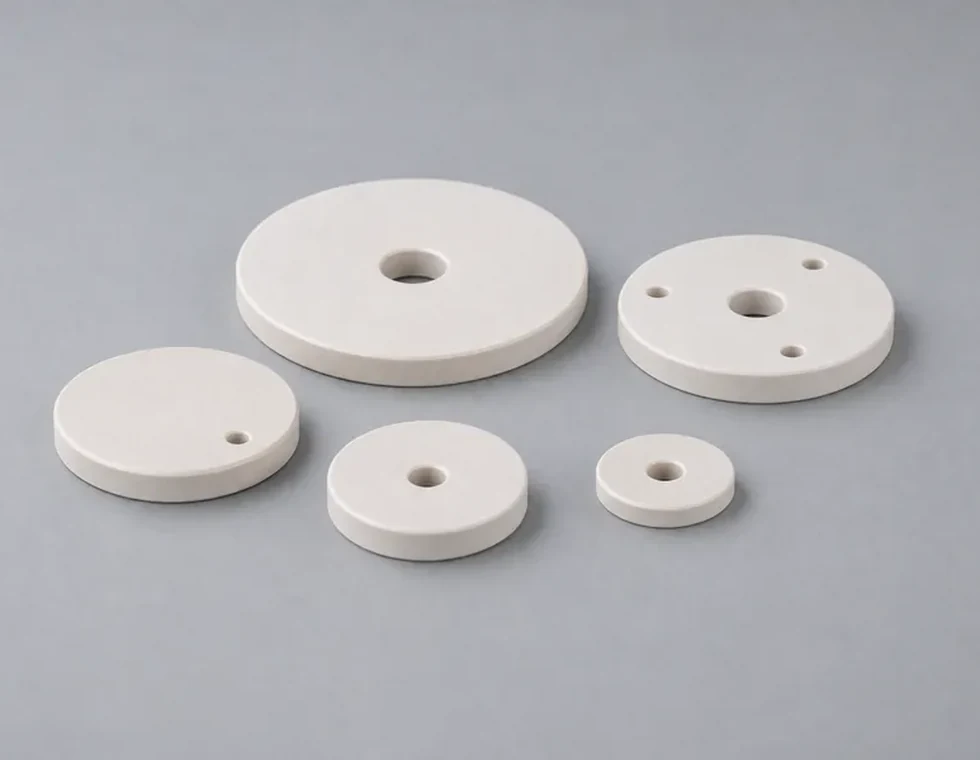
Custom ceramic components can combine basic shapes with precision features when the design clearly defines what is functionally important.
Two components with identical geometry may need different ceramic materials because the operating environment, load and interface conditions are different.
A practical choice for electrical insulation, wear resistance, dimensional stability and a wide range of industrial components.
Useful where higher toughness, impact resistance or resistance to local mechanical damage is important.
Relevant for demanding mechanical, rotational or thermal-shock applications requiring strong performance at lower density.
Aluminum nitride, boron nitride and other technical ceramics can be considered when thermal, electrical or process-specific requirements drive the design.
A small design change can often make a ceramic component easier to manufacture and more reliable in service without changing its core function.
Sharp internal corners, abrupt section changes and hard contact points can concentrate stress. Radii, chamfers and smoother transitions are often preferable where the function allows.
Applying the same tight tolerance to every dimension increases manufacturing complexity. Critical fits and interfaces should be separated from non-critical geometry.
Ceramic components should be reviewed together with shafts, housings, fasteners, seals and contact surfaces so fit and load conditions are realistic.
Custom ceramics are used when conventional materials cannot provide the required combination of wear resistance, insulation, chemical stability, thermal performance and dimensional control.
Precision insulating, positioning and wear components for clean, electrically controlled and dimensionally sensitive assemblies.
Sleeves, bushings, plungers, pistons, nozzles and valve interfaces for wear, corrosion and precision-flow duties.
Custom insulating parts, supports and interfaces where dielectric stability and geometry must work together.
Wear parts, guides, shafts, spacers and supports used in repetitive motion, alignment and high-contact applications.
Custom technical ceramic components for controlled environments where contamination, heat or chemical stability matter.
Precision components for sample handling, thermal processing, measurement and specialized instrument assemblies.
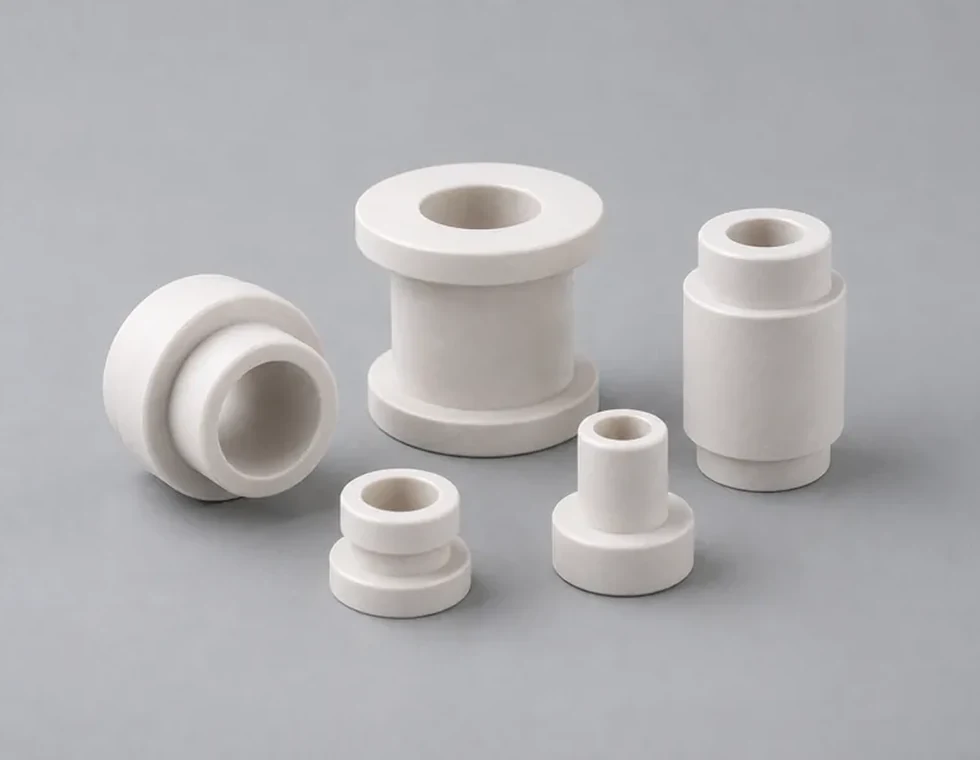
The inspection plan should focus on the dimensions and geometric relationships that control fit, movement, sealing, insulation or contact performance in the final assembly.
The fastest way to evaluate a custom ceramic component is to combine the drawing with application details. This gives engineering enough context to review material, geometry, critical tolerances and finishing requirements together.
Yes. Custom ceramic components can be evaluated from 2D drawings or 3D models together with the required material, tolerances, surface conditions and application details.
Yes. Material selection can be reviewed around the working temperature, electrical requirements, wear, chemical exposure, load and mating conditions of the application.
Custom features can be evaluated according to the selected ceramic, feature geometry and manufacturing route. Critical surfaces and transitions should be identified clearly on the drawing.
Prototype and trial quantities can be discussed during engineering review, followed by production planning once the design and functional requirements are confirmed.
Send the drawing or model, material preference, critical tolerances, surface requirements, application conditions, mating-part information and expected quantities.
Send your drawing and working conditions for an engineering review focused on manufacturability, material and critical interfaces.