Feedthrough Assemblies
Ceramic-to-Metal Feedthrough Components
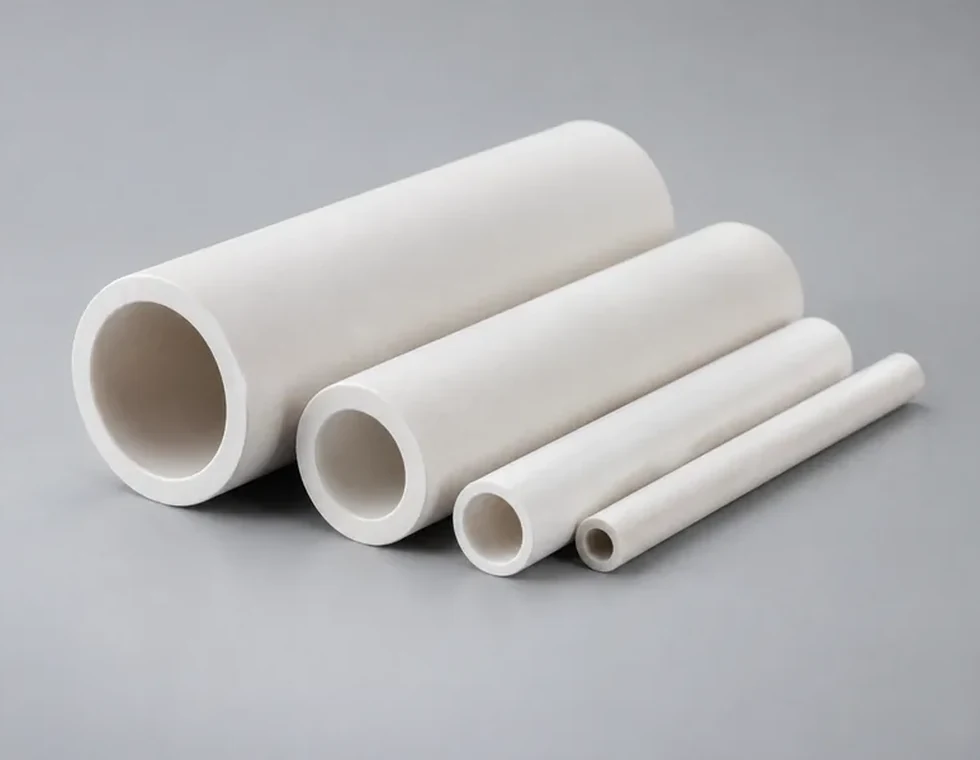
Tube- or sleeve-based ceramic interfaces developed for electrical isolation, conductive terminals and controlled passage through a housing.
Ceramic-to-metal components combine the electrical, thermal, wear and chemical advantages of technical ceramics with the mechanical connection, mounting and conductivity of metal parts. UNIPRETEC supports joined component designs where the interface must remain stable under load, temperature change and demanding service conditions.
Reliable ceramic-to-metal components depend on the relationship between ceramic geometry, metal selection, joint design, thermal expansion and the real load path of the assembly.
For assemblies where ceramic provides dielectric separation while the metal side provides connection, mounting or current-carrying functions.
For feedthrough and process assemblies where the ceramic–metal boundary must remain stable against leakage, contamination or atmosphere changes.
For structures where ceramic must be joined to a metal flange, shell, pin or support without creating damaging local stress.
For components exposed to heat cycles where ceramic and metal expansion must be managed across the interface.
Ceramic-to-metal components can be developed around tubular, ring, plate, sleeve and precision-interface geometries depending on the required seal, mount or electrical function.
Tube- or sleeve-based ceramic interfaces developed for electrical isolation, conductive terminals and controlled passage through a housing.
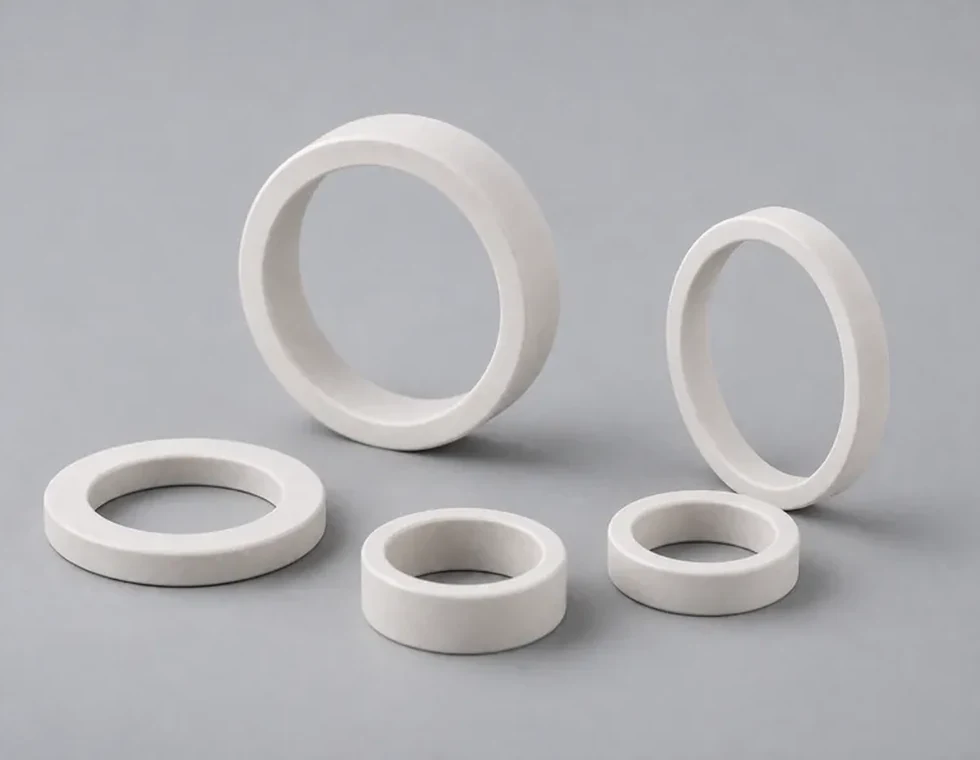
Ring-shaped ceramic interfaces designed around face contact, concentricity and joint stability for sealed equipment and process assemblies.
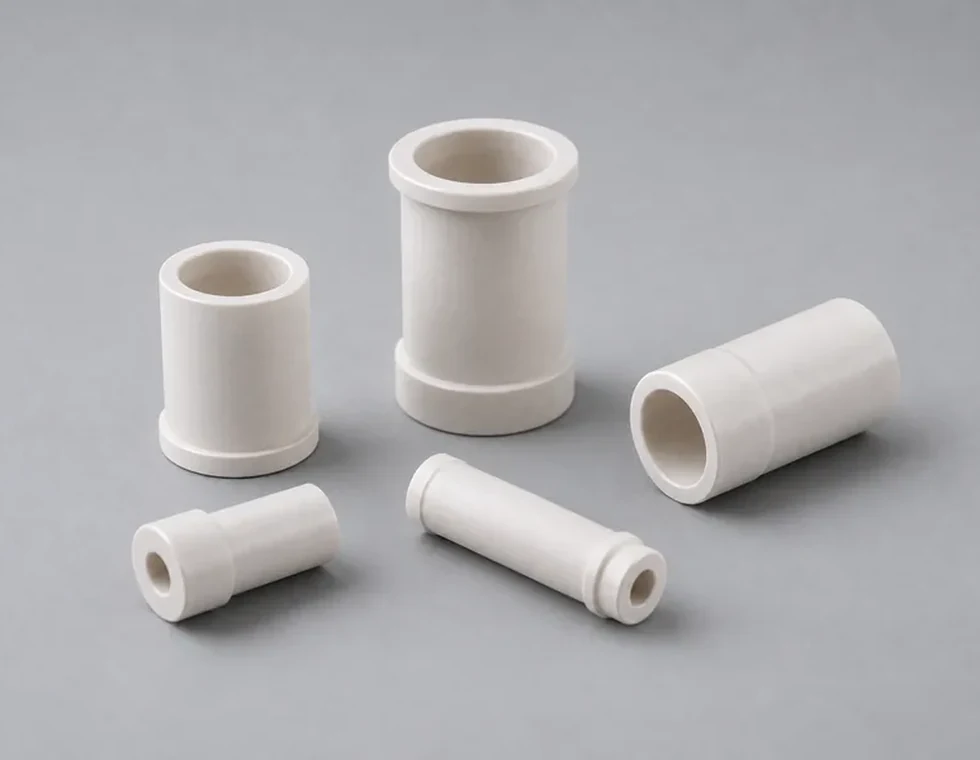
Precision ceramic sleeves joined or integrated with metal features for wear, insulation, support and controlled fit in mechanical equipment.
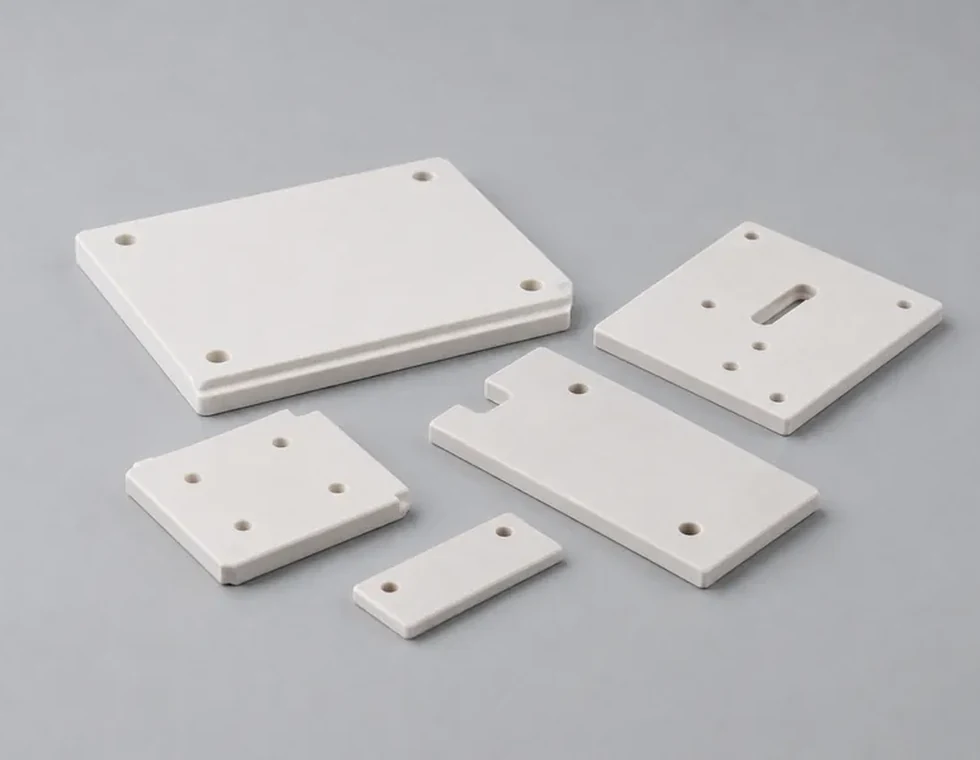
Flat ceramic components integrated with metal carriers or mounting structures where flatness, support and electrical separation are important.
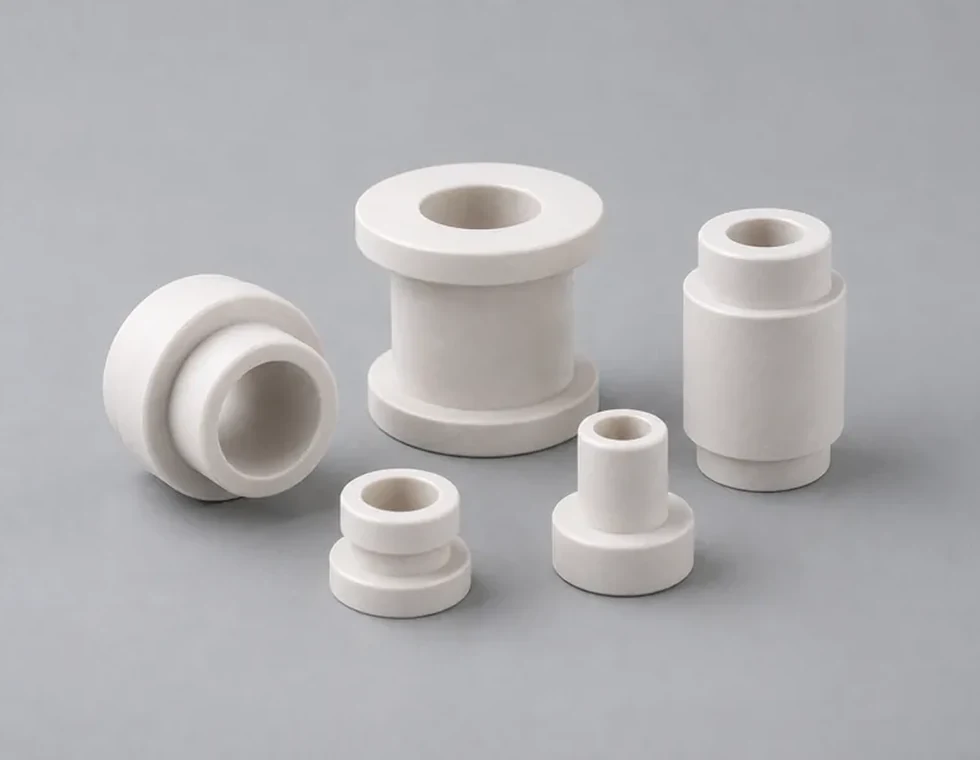
Bushing-style assemblies developed for shaft support, wear isolation or electrical separation between moving and structural metal components.
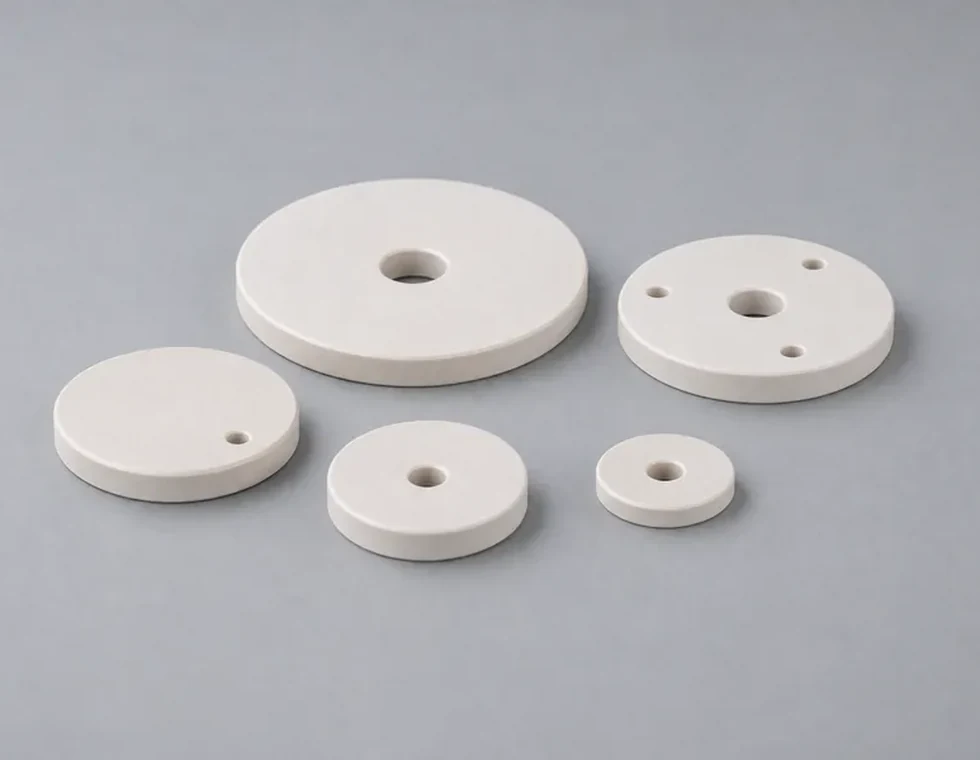
Drawing-based assemblies combining custom ceramic geometry with metal interfaces for specialized electrical, vacuum and industrial equipment.
A successful assembly depends on more than joining two materials. The interface must control stress, preserve alignment and support the electrical, thermal or sealing function throughout the service cycle.
Ceramics and metals respond differently to temperature change. Material pairing and joint geometry should reduce stress as the assembly heats and cools.
Shoulders, overlap length, wall transitions and contact area influence how mechanical and thermal stress travels through the interface.
Joining performance depends on a controlled ceramic interface and a metal surface condition appropriate for the selected joining route.
Concentricity, flatness and coaxiality should be reviewed at assembly level so the final ceramic–metal part performs as intended.
The most effective ceramic-to-metal drawings identify both individual part dimensions and the final assembled relationships that control alignment, seal location and load transfer.
Material selection should consider electrical function, temperature, corrosion, mechanical load and the thermal behavior of the complete joined assembly.
A common choice for electrically insulating ceramic-to-metal parts requiring good dimensional stability and broad industrial usability.
Useful where higher ceramic toughness or resistance to local mechanical damage is important around the joined region.
Other ceramics can be evaluated where thermal conductivity, dielectric behavior or process compatibility drives the design.
Metal choice should consider thermal expansion, corrosion, mechanical function and compatibility with the intended joining process.
Most interface problems are easier to prevent during design than to correct after the joining process has been defined.
Large differences in thermal response can load the ceramic during heating or cooling. Material pairing and joint flexibility should be reviewed together.
Sharp shoulders, thin ceramic walls or short joint transitions can concentrate stress near the interface and reduce reliability.
Even when the ceramic and metal parts are individually accurate, the final assembly can shift if coaxiality, face position or joint thickness are not controlled together.
These components are used where electrical insulation, sealing, mechanical attachment and environmental stability must be combined in one integrated part.
Ceramic–metal interfaces used to carry conductors through a housing while maintaining electrical isolation and controlled alignment.
Joined ceramic and metal components used where stable interfaces and controlled passage through vacuum hardware are important.
Precision assemblies combining ceramic insulation and metal mounting functions in electrically and dimensionally sensitive equipment.
Ceramic-to-metal components used where thermal stability and electrical isolation must be maintained under elevated temperatures.
Joined ceramic interfaces used for wear, chemical stability, sealing support and integration into metal process hardware.
Drawing-based ceramic–metal parts developed for specialized equipment with application-specific mounting, sealing and interface requirements.
Ceramic-to-metal quality control should verify the final relationships that determine alignment, fit and interface stability after joining.
The most useful ceramic-to-metal RFQs include the ceramic geometry, metal interface, final assembly requirements and operating environment. This allows the joint to be reviewed as a complete system.
They are used when an assembly needs ceramic properties such as electrical insulation, wear resistance or thermal stability together with metal mounting, structural or conductive functions.
Yes. Complete assemblies can be evaluated from drawings or 3D models that define the ceramic, metal interface, critical dimensions and service conditions.
Ceramics and metals expand differently with temperature. If the materials and joint geometry are not matched appropriately, thermal cycling can create unwanted stress at the interface.
Metallized ceramic interfaces can be evaluated for applications where a controlled ceramic surface is required for the selected joining process.
Please provide the assembly drawing, ceramic and metal material preferences, critical dimensions, operating temperature, electrical or sealing requirements, load conditions and expected quantities.
Send the complete drawing and operating conditions for an engineering review focused on interface stability, fit and manufacturability.