Containment
Ceramic Saggers
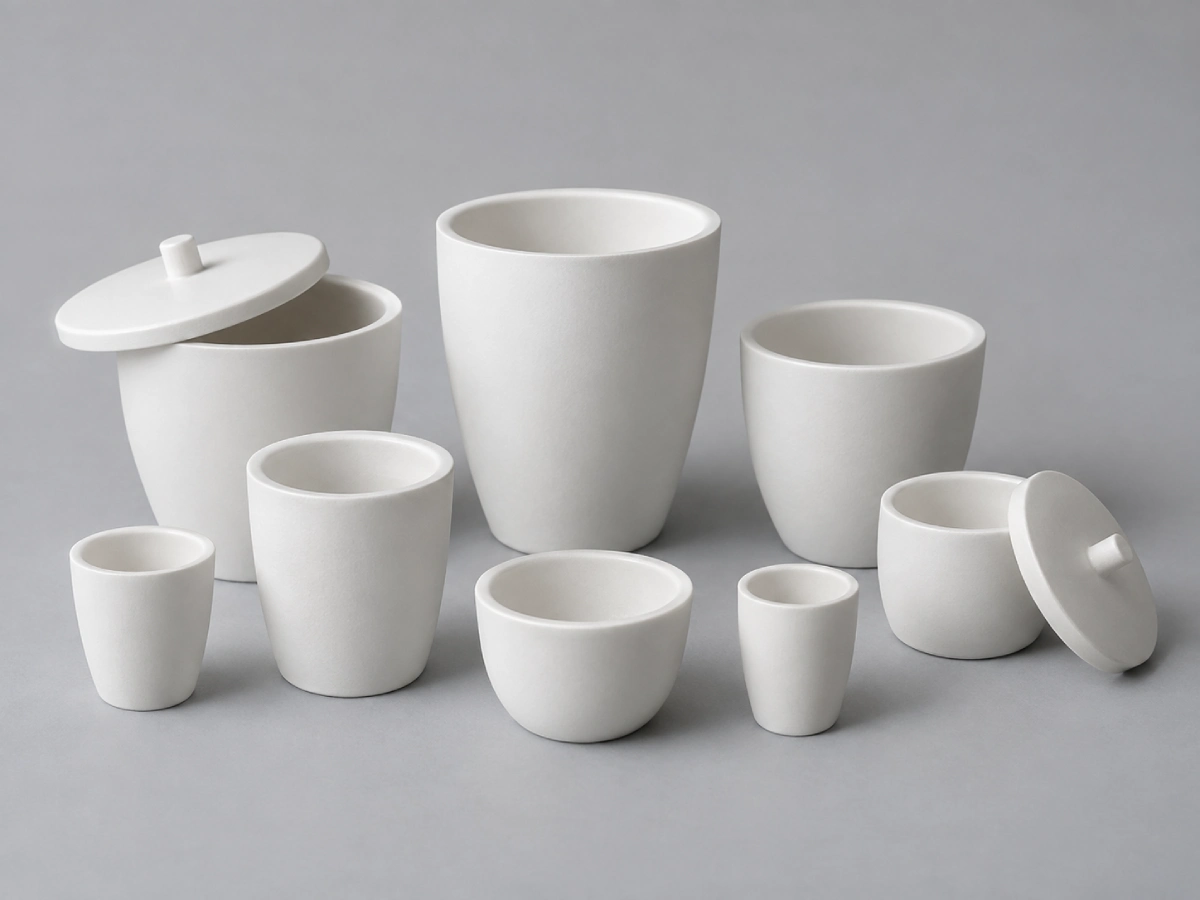
Ceramic saggers for containing, protecting and separating products during firing. Wall, base and material selection are reviewed around thermal cycling, process chemistry and product contact.
Ceramic kiln furniture for firing, sintering and high-temperature production, including ceramic saggers, setter plates, pusher plates, kiln supports and posts. UNIPRETEC matches material and geometry to the firing temperature, thermal cycle, furnace atmosphere, load at temperature and contact with the fired product.
Peak temperature is only one part of the selection. Product weight, support span, heating and cooling rate, furnace atmosphere and process chemistry all affect which kiln furniture design and material are suitable.
For firing processes that need a ceramic container to protect products, separate them from the furnace environment or hold powders and parts through the thermal cycle.
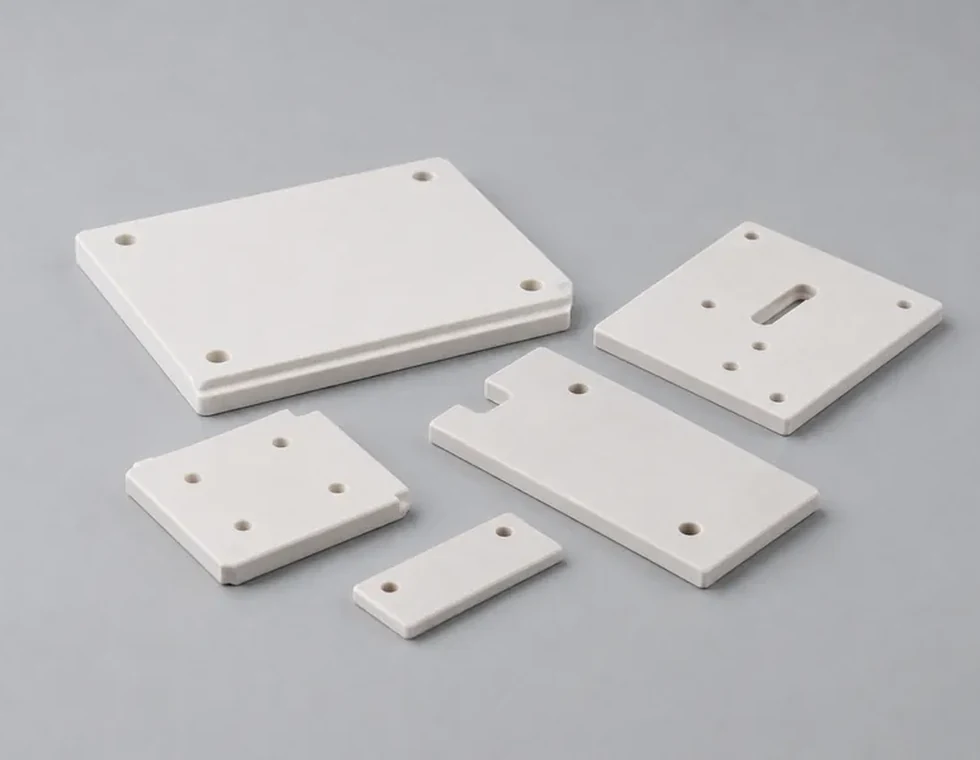
For flat support surfaces where load distribution, flatness and dimensional stability help keep products correctly positioned during firing and sintering.
For continuous or semi-continuous furnaces where the plate experiences repeated mechanical movement together with sustained high-temperature loading.
For stacked firing systems where compressive load, support height and high-temperature dimensional stability control the complete furniture assembly.
UNIPRETEC supplies kiln furniture around the real furnace layout, from containment saggers and flat setters to pusher plates, support posts and custom high-temperature furniture.
Ceramic saggers for containing, protecting and separating products during firing. Wall, base and material selection are reviewed around thermal cycling, process chemistry and product contact.
Flat ceramic setters for supporting parts during firing and sintering, with attention to flatness, span, load distribution and repeated thermal cycles.
Pusher plates for continuous-furnace systems where repeated pushing, high-temperature load and long-term dimensional stability must work together.
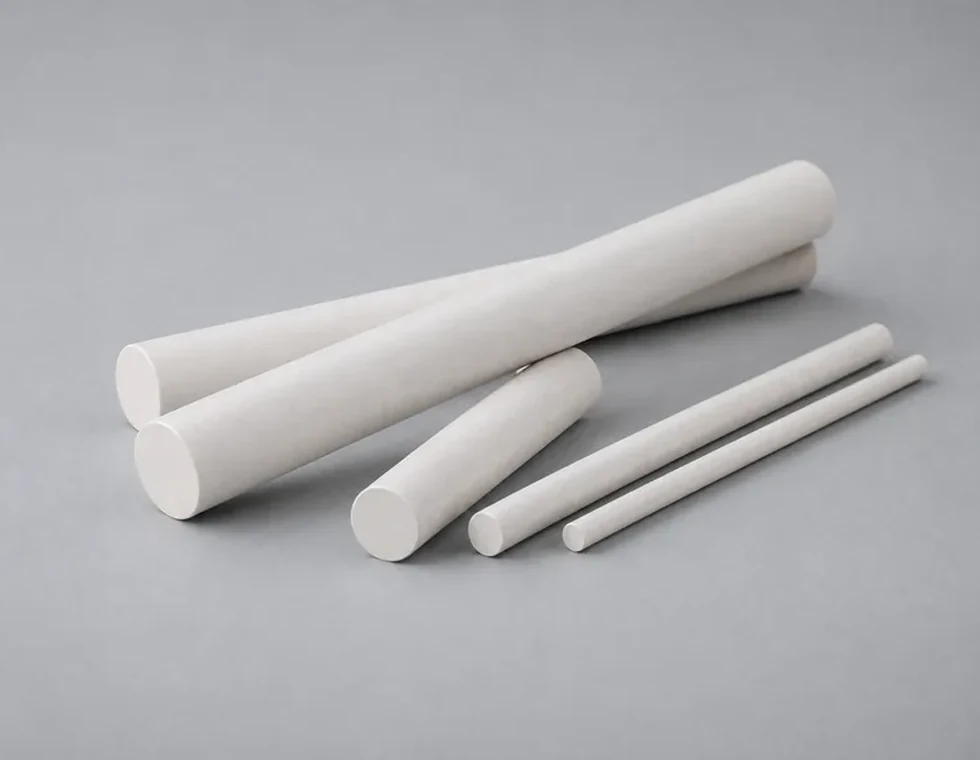
Ceramic support posts and load-bearing parts for stacking, spacing and controlled vertical support inside high-temperature furnace systems.
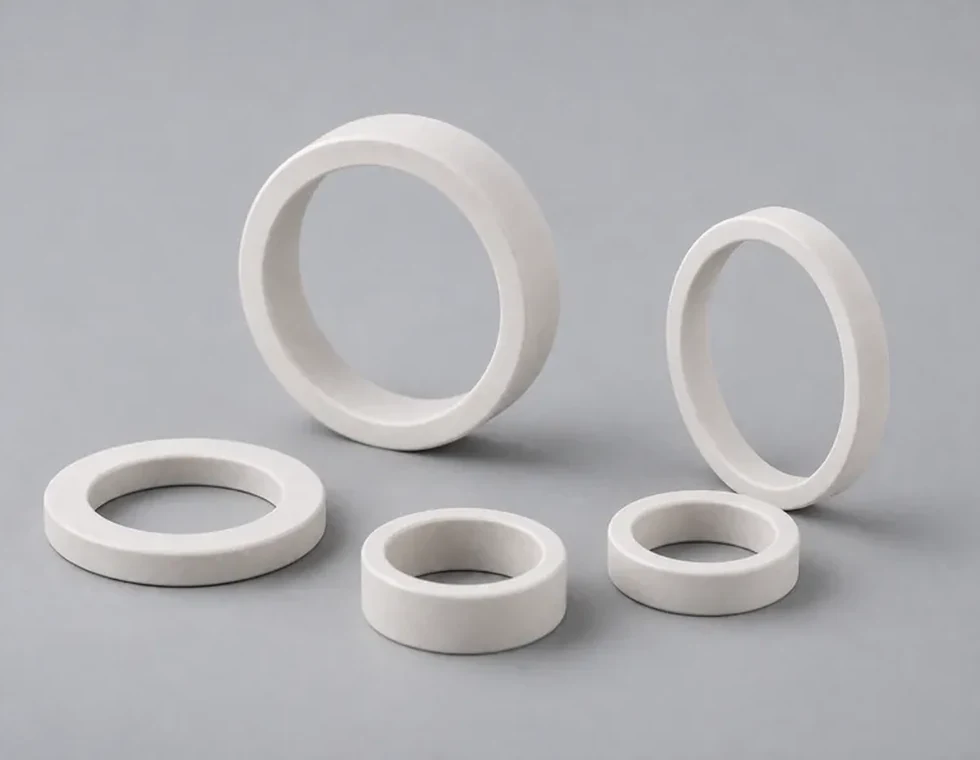
Custom rings, spacers, barriers, locating parts and furnace components manufactured to drawing for application-specific loading and positioning.
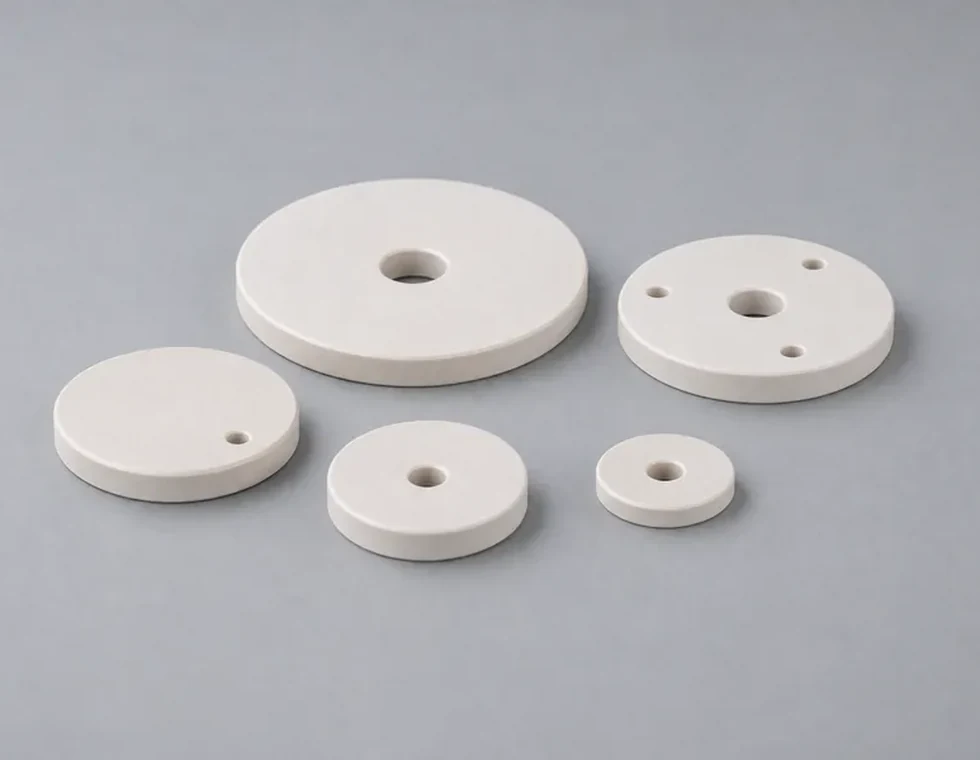
Drawing-based kiln furniture engineered around furnace dimensions, fired-product geometry, support conditions, material compatibility and production-cycle requirements.
A kiln-furniture material must remain useful through the complete firing cycle. The important questions are what it supports, how quickly the furnace heats and cools, which atmosphere is present and what contacts the ceramic at temperature.
Review peak temperature together with soak time and how much mechanical load remains on the component at temperature.
Thermal gradients and repeated cycling can be more demanding than a single high-temperature exposure, especially for large plates and saggers.
Air, inert gas, reducing conditions, vacuum or process gases can change the suitability of a kiln-furniture material.
Powders, ceramic bodies, melts or fired parts may react with, stick to or contaminate the kiln-furniture surface.
Each product type has a different load path. Setter and pusher plates depend heavily on span, support and flatness, while saggers and posts depend more on wall or section design, stacking and compressive stability.
UNIPRETEC can evaluate multiple kiln-furniture ceramic systems. The final material depends on temperature, thermal-shock demand, load at temperature, furnace atmosphere, purity and direct contact with the fired product.
Used for a broad range of saggers, setter plates and supports where high-temperature stability, structural support and process compatibility are important.
Suitable for kiln-furniture duties where high-temperature load support, thermal response and repeated furnace cycling are key considerations.
Specialized ceramic options for demanding firing environments where extreme-temperature behavior, chemistry or purity requirements drive material selection.
A useful kiln-furniture option where repeated heating and cooling make thermal-cycle and thermal-shock behavior especially important.
Saggers, setter plates, pusher plates and posts do not fail for the same reason. The actual load, temperature gradient and process contact should guide the design review.
Rapid temperature change or strong thermal gradients can create stress through the wall, base or plate section. Heating and cooling behavior should be considered with the material.
Setter and pusher plates can lose flatness if span, thickness, load and firing conditions are not matched. Support layout is part of the design.
Direct contact with powders, ceramic bodies, melts or fired products can cause sticking, contamination or reaction. Material compatibility should be reviewed early.
Ceramic kiln furniture is used wherever products must be supported, contained, separated or moved through a controlled high-temperature cycle.
Saggers, setters and supports for sintering alumina, zirconia and other technical ceramic parts under controlled furnace conditions.
Kiln furniture for substrates, electronic ceramics and related products where flatness, cleanliness and firing consistency matter.
Pusher plates and support systems for production lines that combine repeated mechanical movement with sustained high-temperature exposure.
Saggers, containers and support plates for powders, compounds and materials processed through controlled thermal conversion.
Compact setters, saggers and supports for test firing, development work and repeated high-temperature laboratory use.
Drawing-based kiln furniture for OEM furnaces, specialized product geometry and application-specific stacking or support arrangements.
Inspection should follow the kiln-furniture function. Setter and pusher plates need attention to flatness and thickness, while saggers and posts require dimensional and structural checks that match their load and stacking roles.
A useful kiln-furniture RFQ combines the drawing with the real firing conditions. This helps evaluate the product type, ceramic material, support arrangement and service-life priorities together.
UNIPRETEC can evaluate ceramic saggers, setter plates, pusher plates, kiln supports, posts and custom high-temperature furnace components according to the firing process and required geometry.
Material options can include corundum-mullite, alumina, silicon carbide, high-temperature zirconia, magnesia, yttria and cordierite, depending on the firing temperature, atmosphere, load and process chemistry.
Setter plates primarily support fired products, while pusher plates are used in furnace systems where the plate also experiences repeated mechanical movement. Pusher-plate selection therefore needs to consider both thermal and mechanical duty.
Useful information includes sagger dimensions, wall and base requirements, firing temperature, thermal cycle, furnace atmosphere, product chemistry, loading method and whether contamination or sticking is a concern.
Please provide the product type, drawing or dimensions, firing temperature, cycle, furnace atmosphere, support and load conditions, product contact information and expected quantities.
Send your kiln-furniture type, drawing and firing conditions for an engineering review focused on material selection, thermal stability and load support.