Grinding Media
Ceramic Grinding Balls
Precision ceramic balls for grinding and milling systems where media wear, process stability and contamination control are important.
Ceramic components for grinding and milling are selected to control wear, contamination and dimensional drift in equipment exposed to repeated impact, sliding abrasion, particle contact and slurry erosion. UNIPRETEC supports grinding media and custom wear components for dry grinding, wet milling, mixing, dispersion and abrasive process systems.
Grinding and milling systems do not create only one type of wear. Impact, sliding abrasion, rolling contact, slurry erosion and repeated particle flow can occur in different zones of the same machine.
For ball, bead and media-based grinding where hardness, density, impact behavior and contamination limits influence process performance.
For equipment surfaces exposed to repeated abrasion from powders, granules or moving process media during grinding and milling.
For process lines where abrasive slurries can erode sleeves, nozzles, guides and discharge components over time.
For shafts, bushings and positioning parts where wear resistance must be combined with controlled fit, alignment and repeatable motion.
UNIPRETEC supports ceramic components for the areas where grinding and milling equipment experiences repeated contact, abrasive flow, media collision and material-driven wear.
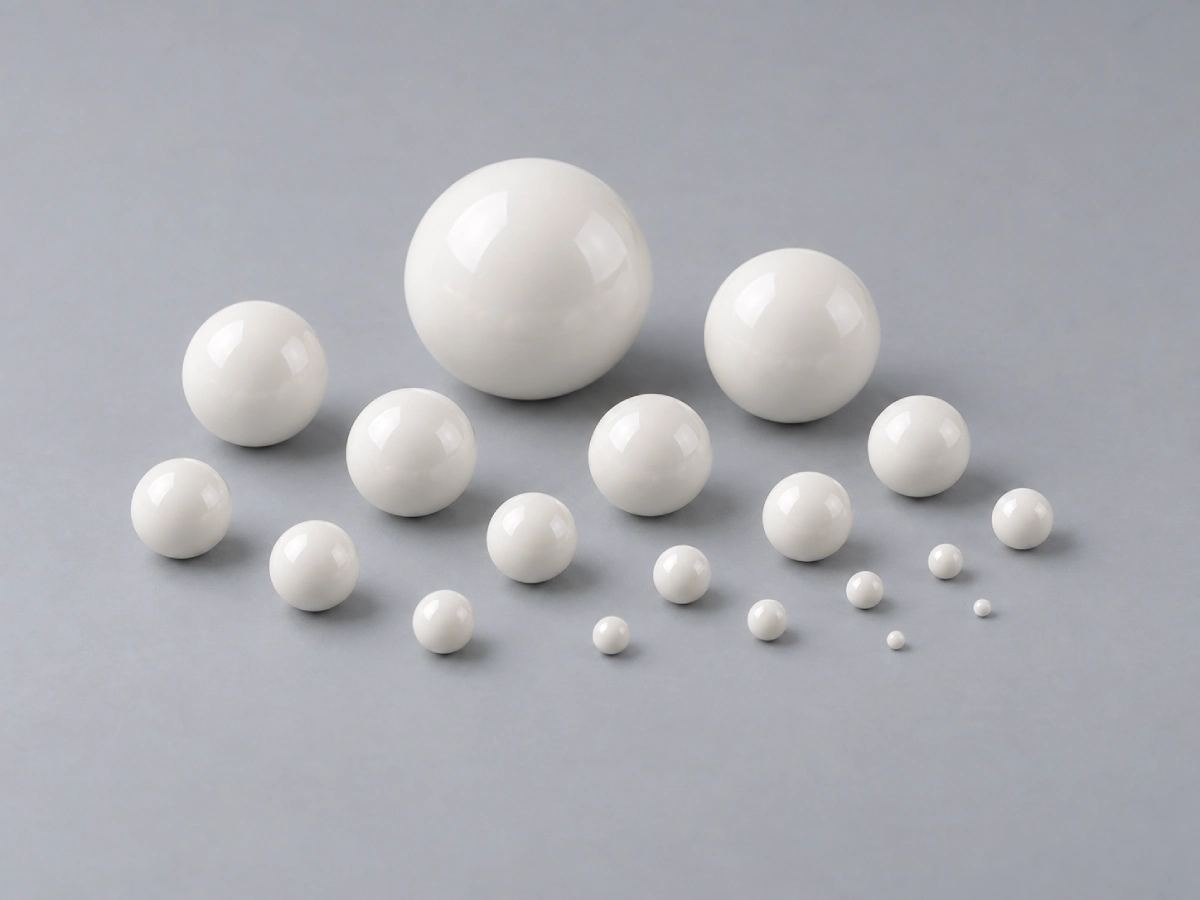
Precision ceramic balls for grinding and milling systems where media wear, process stability and contamination control are important.
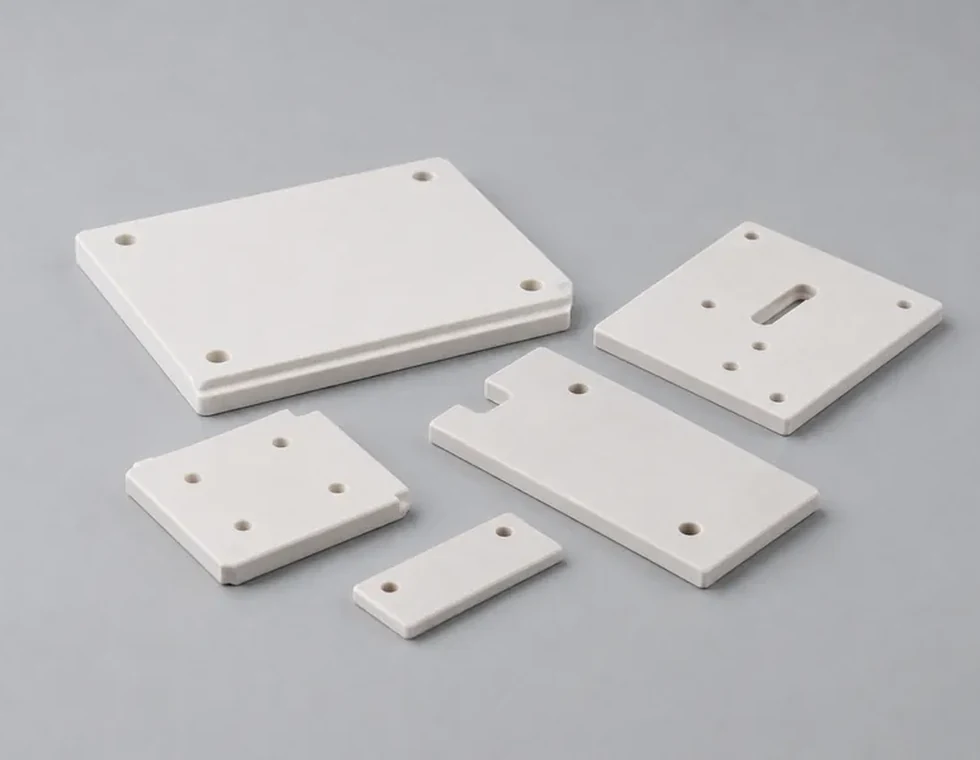
Flat ceramic wear components for high-contact zones where powders, particles or process media repeatedly abrade equipment surfaces.
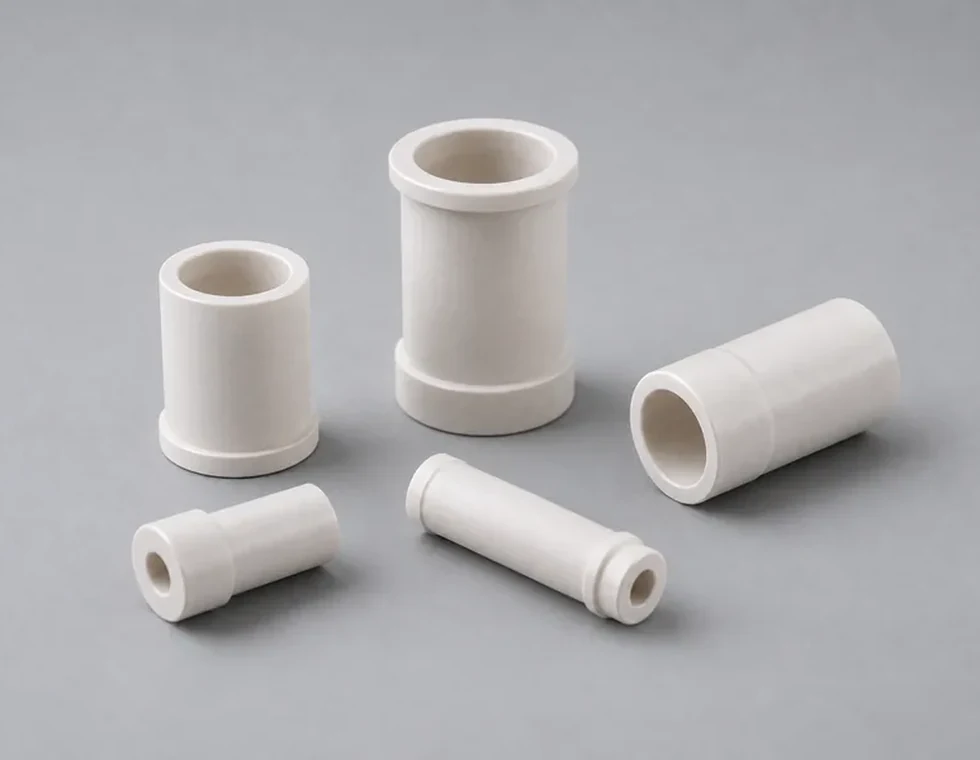
Wear-resistant sleeves used to protect shafts, bores and process interfaces exposed to abrasive particles or repeated motion.
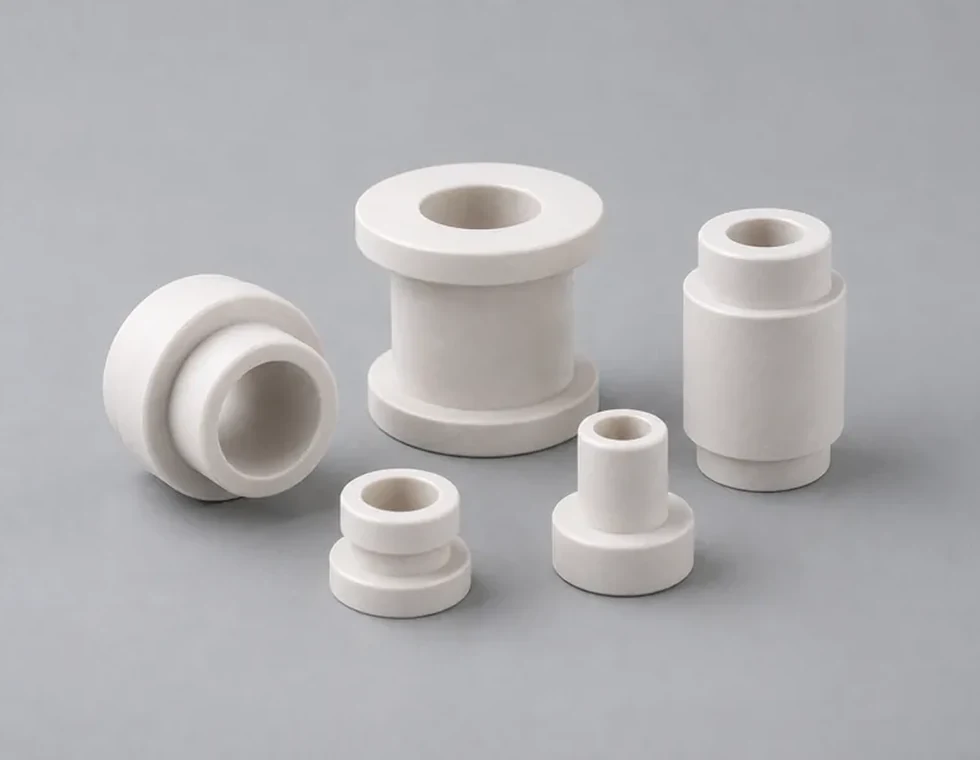
Precision bushings for support and guiding positions where abrasive contamination and repeated motion challenge conventional materials.
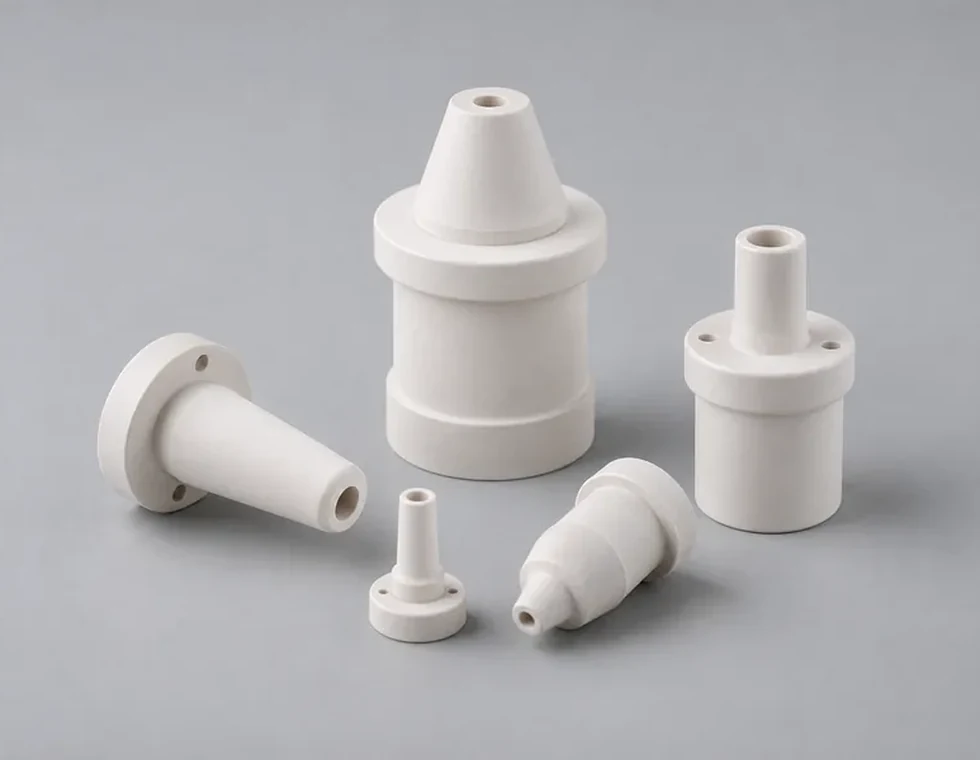
Wear-resistant flow components for slurry feed, discharge and abrasive-media handling where passage geometry must remain stable.
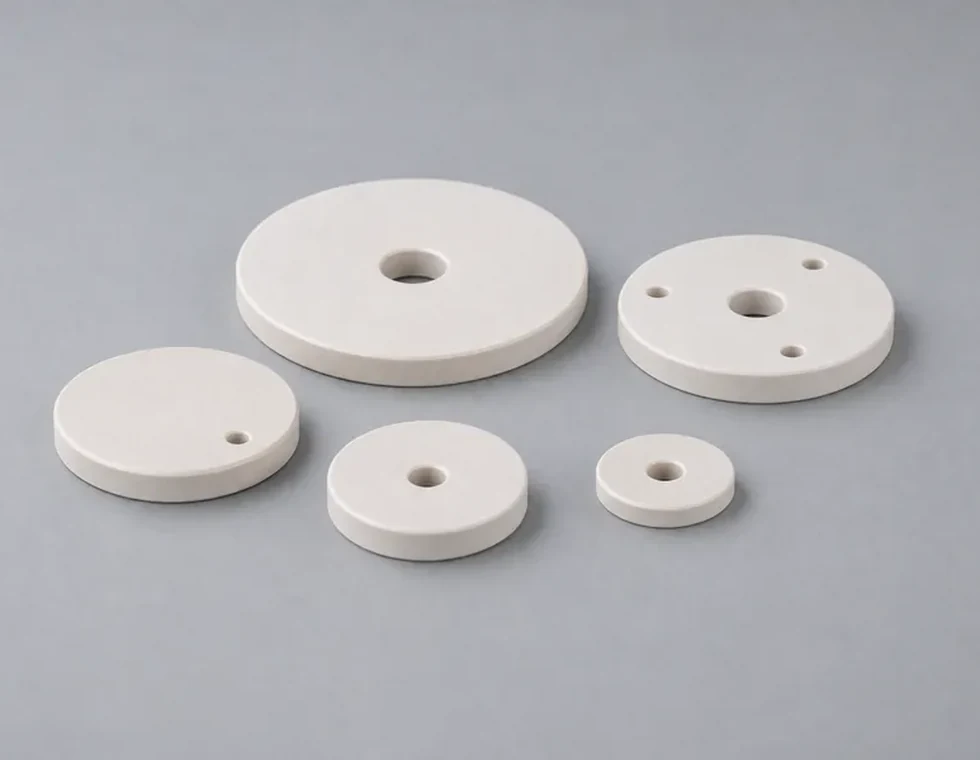
Drawing-based ceramic parts developed for high-wear zones, custom mounts, guides, separators and process interfaces in grinding and milling equipment.
Ceramic for grinding and milling should be selected around how material moves through the equipment. Impact, sliding abrasion, slurry erosion, media collision and contamination sensitivity can point to different material and geometry choices.
Media collision and particle impact create local loads that must be balanced against hardness, toughness and component support.
Powder, slurry and particle streams can enlarge bores, wear faces and change process clearances if exposed surfaces are not protected.
Material transfer from grinding media or wear components can matter in processes that require controlled chemistry or product purity.
Wear parts should be designed around realistic inspection and replacement intervals rather than maximum initial hardness alone.
Grinding and milling equipment rarely wears evenly. The most effective ceramic solution starts by identifying the zones with the highest impact, abrasion, slurry velocity or repeated media contact.
Grinding and milling applications can place conflicting demands on a ceramic. Material selection should balance hardness, toughness, chemical stability, density and the contamination requirements of the process.
A practical choice for many wear-resistant milling components, grinding applications and general abrasive-service parts.
Useful where higher toughness and resistance to local impact damage are important in repeated-contact or media applications.
Relevant for mechanically demanding wear positions where strength, impact behavior and dimensional stability are important.
Other technical ceramics can be evaluated where process purity, chemical environment or specialized wear behavior drives the selection.
A hard ceramic alone does not solve every wear problem. Equipment geometry, media behavior and process conditions determine whether the component performs reliably.
Hard contact, dropped media or poorly supported edges can create local impact stress. Geometry and material toughness should match the real collision environment.
Flow direction, particle velocity and contact pattern can create localized wear even when the overall component looks lightly loaded.
In purity-sensitive milling processes, wear debris can affect the product. Media and wear-part materials should be reviewed against process chemistry.
Ceramic components are used where repeated impact, abrasion or slurry exposure can shorten the service life of conventional metal or polymer parts.
Ceramic grinding media and wear parts used where repeated collision, compression and abrasion are central to the process.
Wear-resistant ceramic flow and interface components for abrasive liquid-solid mixtures and recirculation paths.
Ceramic wear parts used in equipment handling powders and fine particles that gradually abrade contact surfaces.
Components for high-wear process areas where stable surfaces help reduce maintenance and dimensional drift.
Ceramic media and parts used where wear resistance must be balanced with process cleanliness and chemical compatibility.
Drawing-based wear components designed around specific machine geometry, media path, mounting method and replacement strategy.
Grinding and milling ceramic inspection should focus on the geometry and surfaces that influence contact, flow, fit and wear behavior in the actual machine.
A useful RFQ explains what is wearing, what material is moving through the equipment and how the component is loaded. This allows the ceramic solution to be selected around the actual grinding or milling process.
Ceramics are used where wear resistance, chemical stability, dimensional consistency or process cleanliness can improve the service life and stability of grinding and milling equipment.
Yes. Ceramic wear components can be evaluated for abrasive slurry service where flow paths, sleeves, nozzles or contact surfaces experience erosion and wear.
The choice depends on impact level, abrasion, process cleanliness, chemical exposure and component geometry. Higher hardness alone does not determine the best material.
Yes. Drawing-based ceramic components can be evaluated for wear plates, sleeves, bushings, flow parts and other custom interfaces in grinding and milling systems.
Please provide the drawing or dimensions, process type, media, wear pattern, contamination requirements, operating conditions and expected quantities.
Send your wear-part drawing and process conditions for an engineering review focused on impact, abrasion, contamination control and service life.