Advanced Ceramic Materials for Engineering Applications
Compare alumina, zirconia, aluminum nitride, silicon nitride, boron nitride, ZTA and other advanced ceramic materials by wear, toughness, thermal, electrical and machining requirements.
Explore Advanced Ceramic Materials
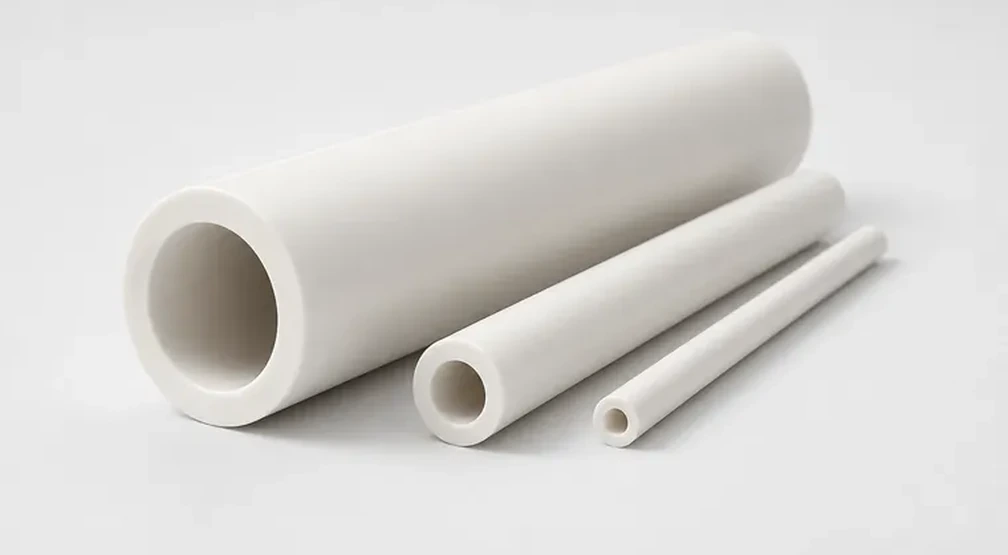
Alumina Ceramic
A practical starting point when wear resistance, electrical insulation and cost balance are important.
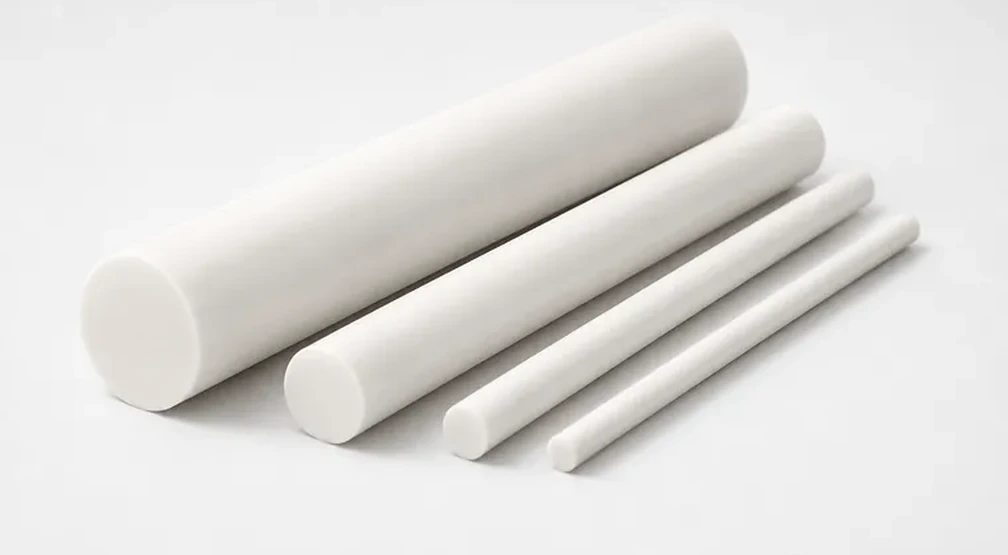
Zirconia Ceramic
Evaluate when higher fracture toughness, compact precision parts or fine surface quality matter.
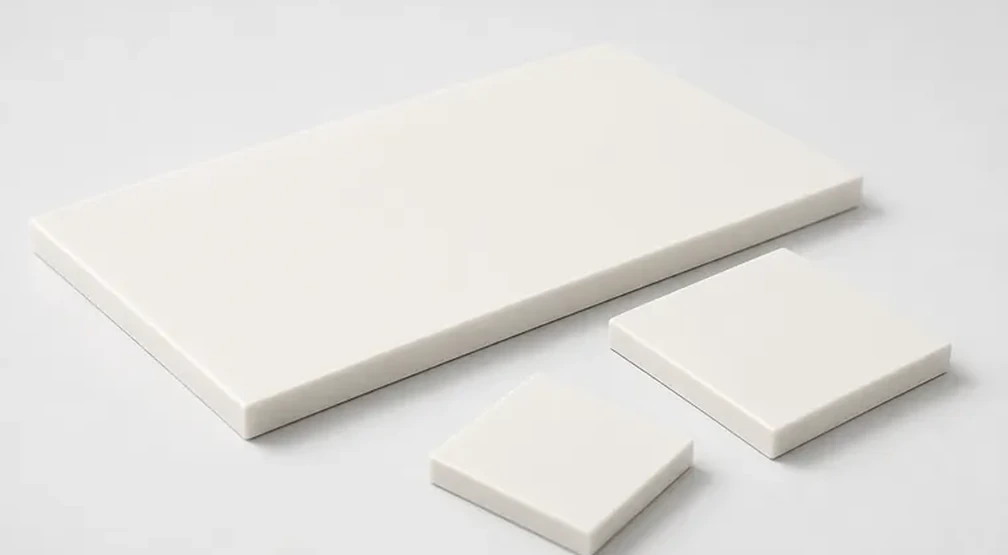
Aluminum Nitride
A key option where heat transfer and electrical insulation must be combined in one ceramic.
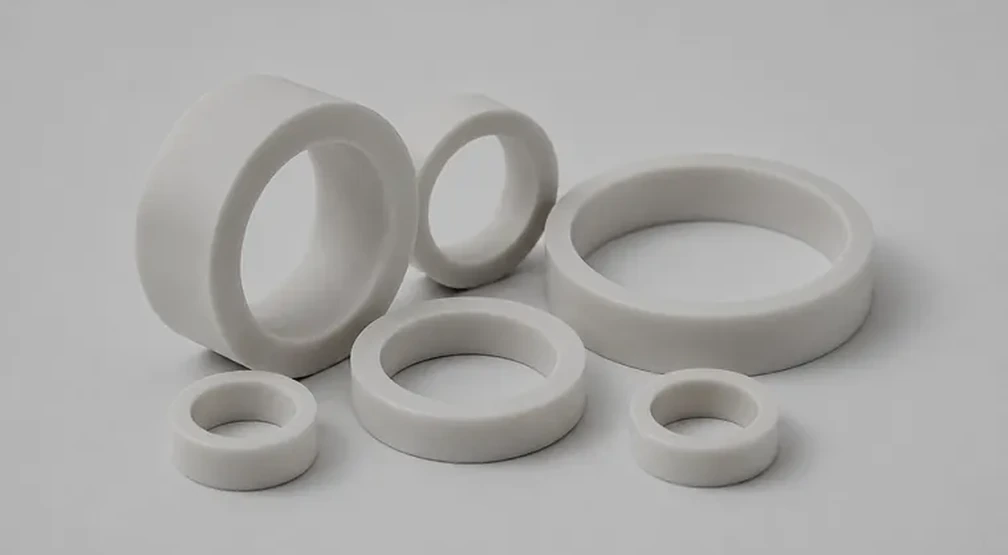
Silicon Nitride
Evaluate for high-temperature strength, thermal-shock resistance and rolling-contact duties.
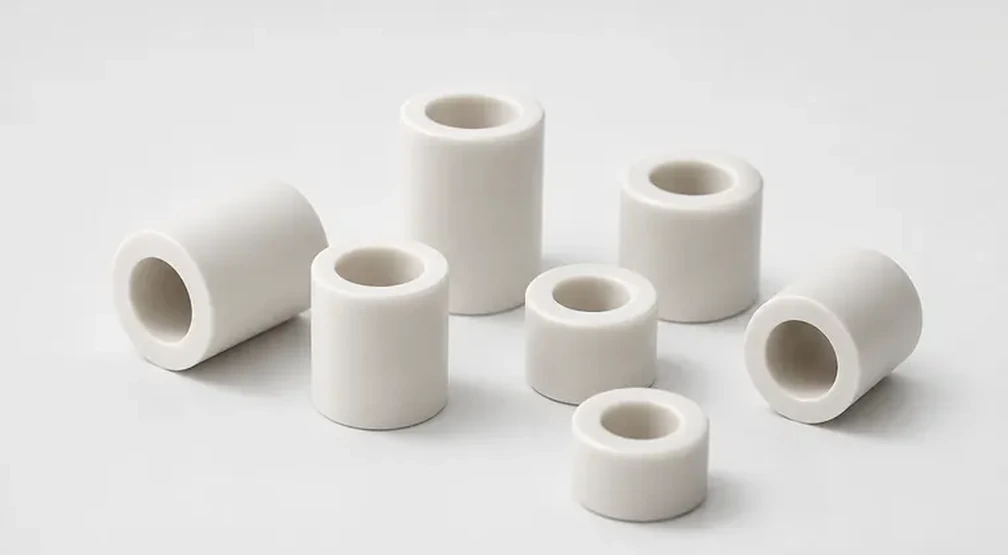
Boron Nitride
Useful where machinability, high-temperature electrical insulation or non-wetting behavior is important.
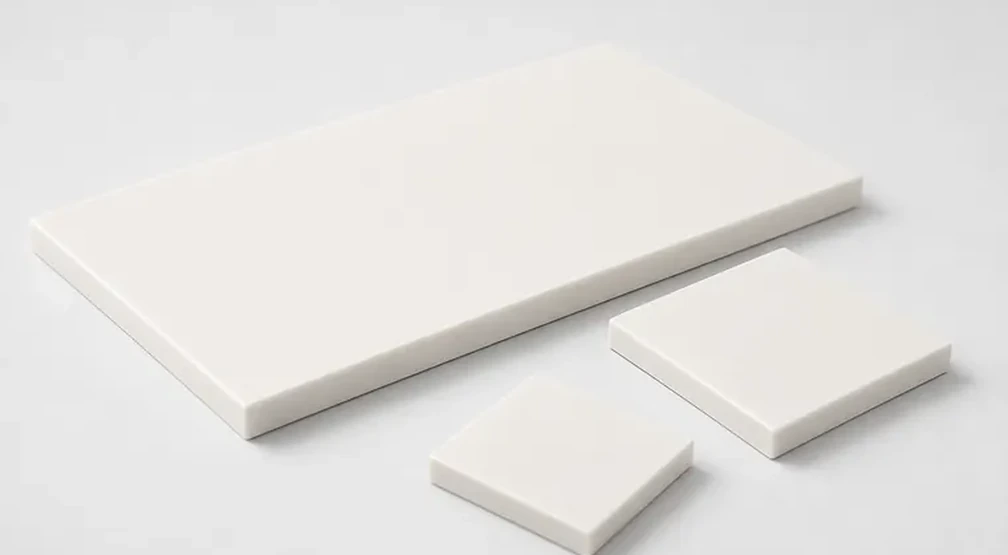
Machinable Glass Ceramic
A route for complex machined geometry where conventional ceramic tooling or firing routes are less convenient.
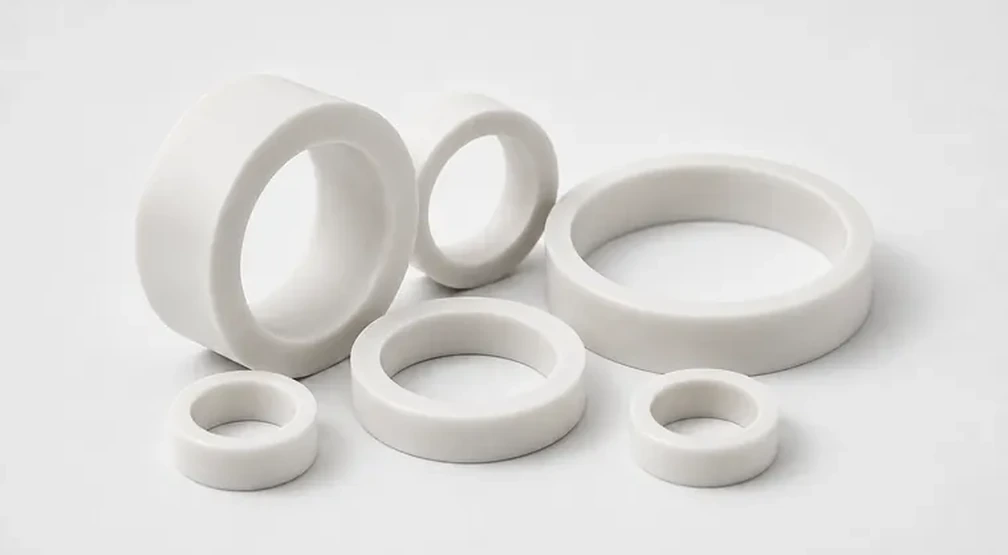
ZTA Ceramic
A material family to evaluate when alumina-like wear performance needs additional toughness.
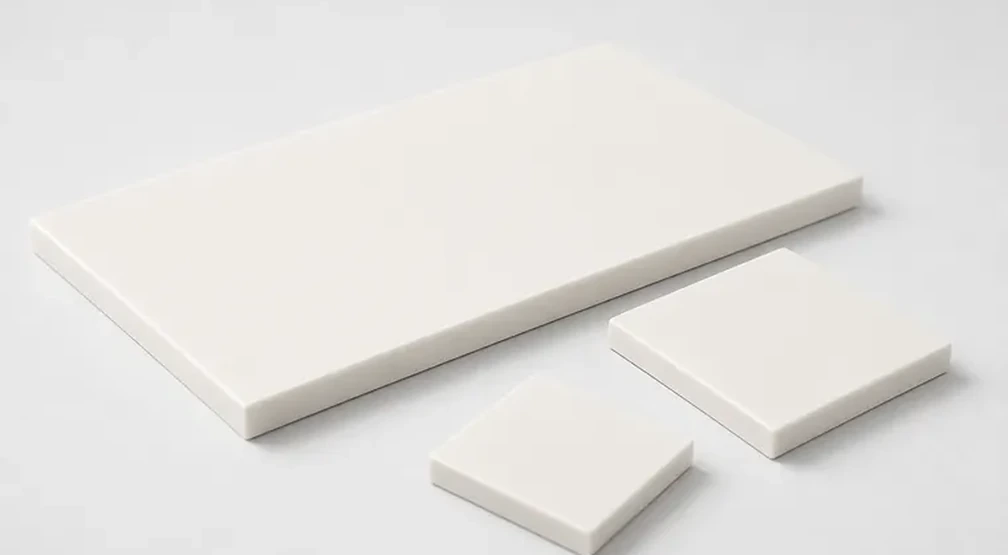
Ceramic Substrate Materials
Material routes for electronic and thermal substrate applications, selected by system requirements.
What Matters Most in Your Application?
Need wear resistance?
For wear, insulation and cost balance.
Start with Alumina / ZTANeed higher fracture toughness?
For impact-sensitive or compact precision geometry.
Evaluate ZirconiaNeed heat transfer + insulation?
For electrical systems where heat must be moved efficiently.
Evaluate Aluminum NitrideNeed thermal shock + strength?
For demanding mechanical and temperature cycling conditions.
Evaluate Silicon NitrideNeed machinability / high-temp insulation?
For machined high-temperature insulating components.
Evaluate Boron NitrideCompare Materials Before You Compare Grades
Material Selection Matrix
| Property | Alumina | Zirconia | AlN | Si₃N₄ | BN |
|---|---|---|---|---|---|
| Wear resistance | ●●●● | ●●●● | ●●● | ●●●● | ●● |
| Fracture toughness | ●● | ●●●●● | ●● | ●●●● | ● |
| Thermal performance | ●● | ●● | ●●●●● | ●●● | ●●● |
| Thermal shock | ●● | ●●● | ●●● | ●●●●● | ●●●● |
| Electrical insulation | ●●●●● | ●●●● | ●●●●● | ●●● | ●●●●● |
| Machinability | ● | ● | ● | ● | ●●●●● |
Performance Heatmap
04 · Key Material Properties to Confirm
05 · Material Selection Map
Material × Application: Where Should You Start?
| Application Requirement | Material to Evaluate First | Why | Buyer Check |
|---|---|---|---|
| Wear resistance + electrical insulation | Alumina / ZTA | Strong starting path for wear and insulating duties with cost balance. | Confirm grade, geometry and required finish. |
| Higher fracture toughness + compact precision part | Zirconia | Useful where crack resistance and fine mechanical geometry are priorities. | Check load, impact, environment and machining cost. |
| Thermal conductivity + electrical insulation | Aluminum Nitride | Combines thermal-management function with electrical insulation. | Confirm thermal target, flatness, surface and assembly. |
| High-temperature strength + thermal shock | Silicon Nitride | Strong candidate for cyclic thermal and mechanical loading. | Check load case, temperature cycle and contact condition. |
| Machinability + high-temperature electrical insulation | Boron Nitride | Useful for machined insulating parts and specialized high-temperature applications. | Confirm grade, atmosphere and mechanical load. |
Common Component Examples by Material
Alumina
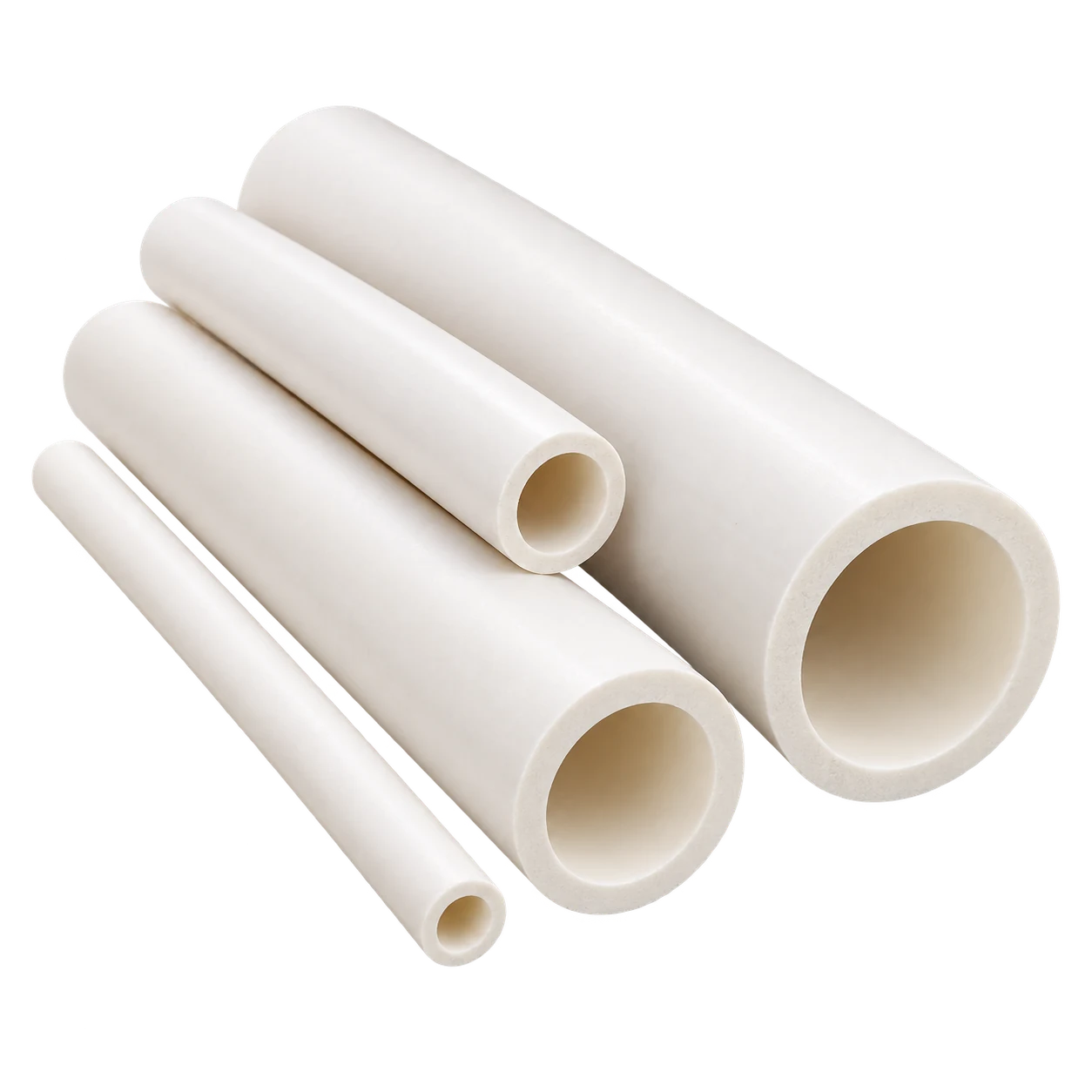 Tubes
Tubes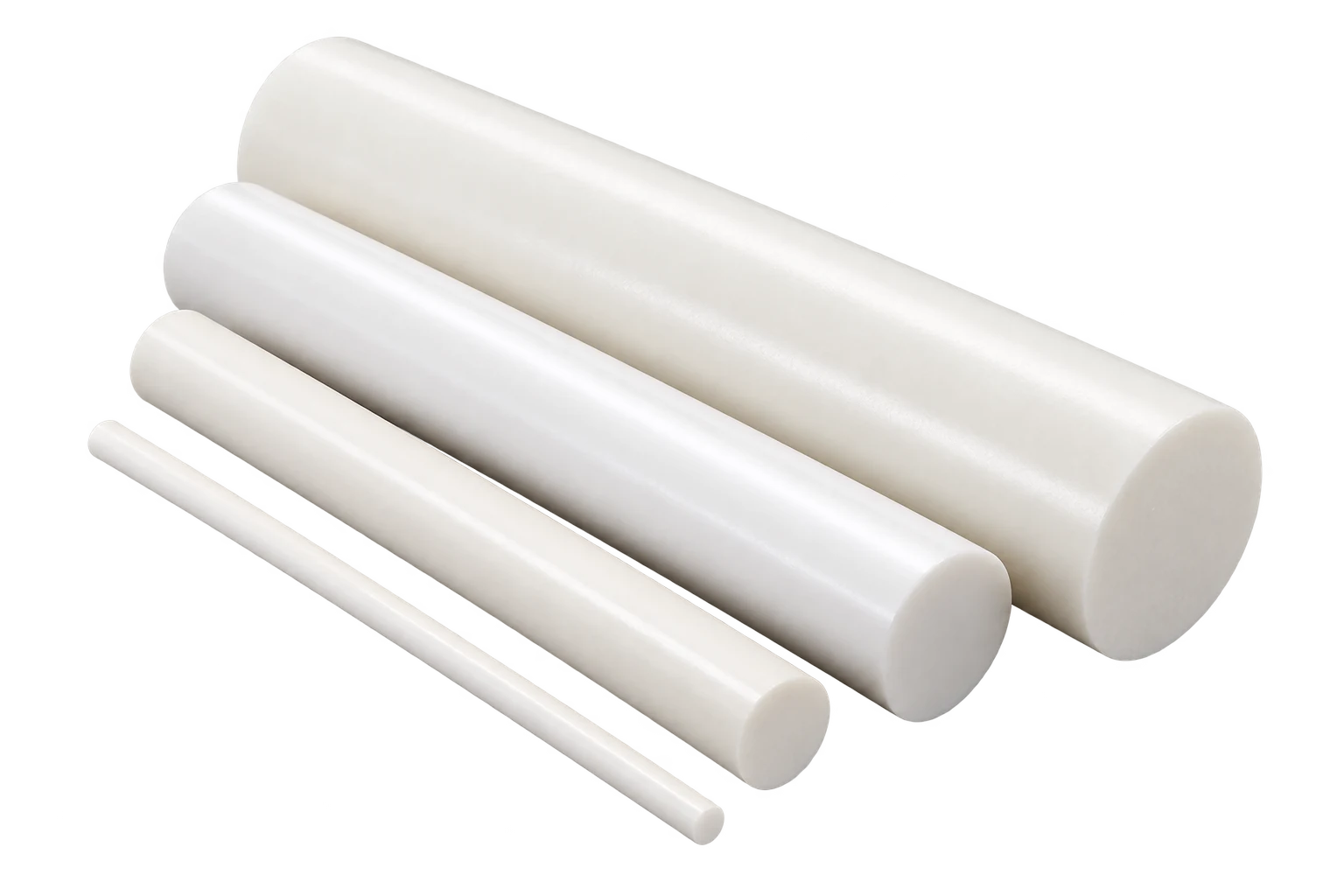 Rods
Rods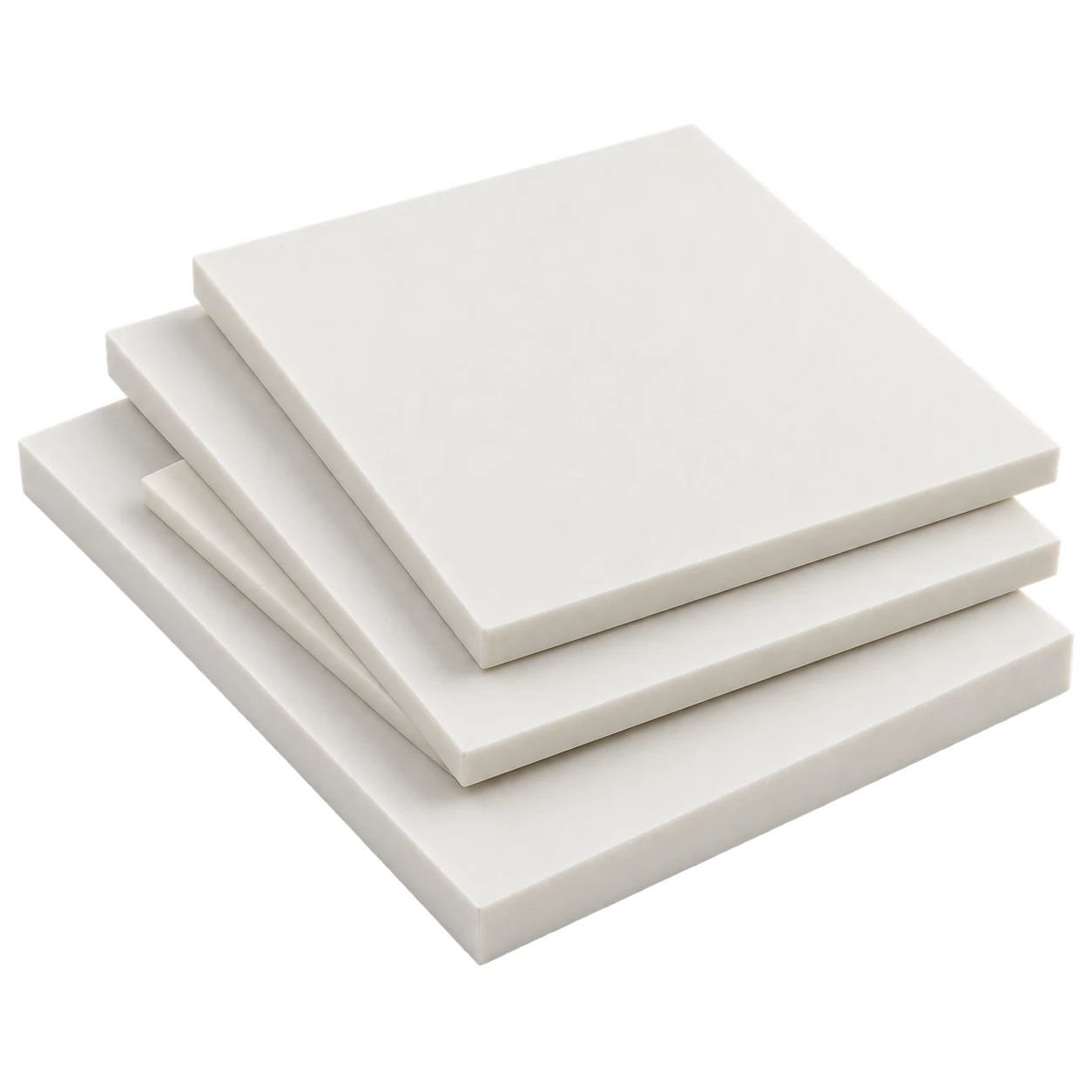 Plates
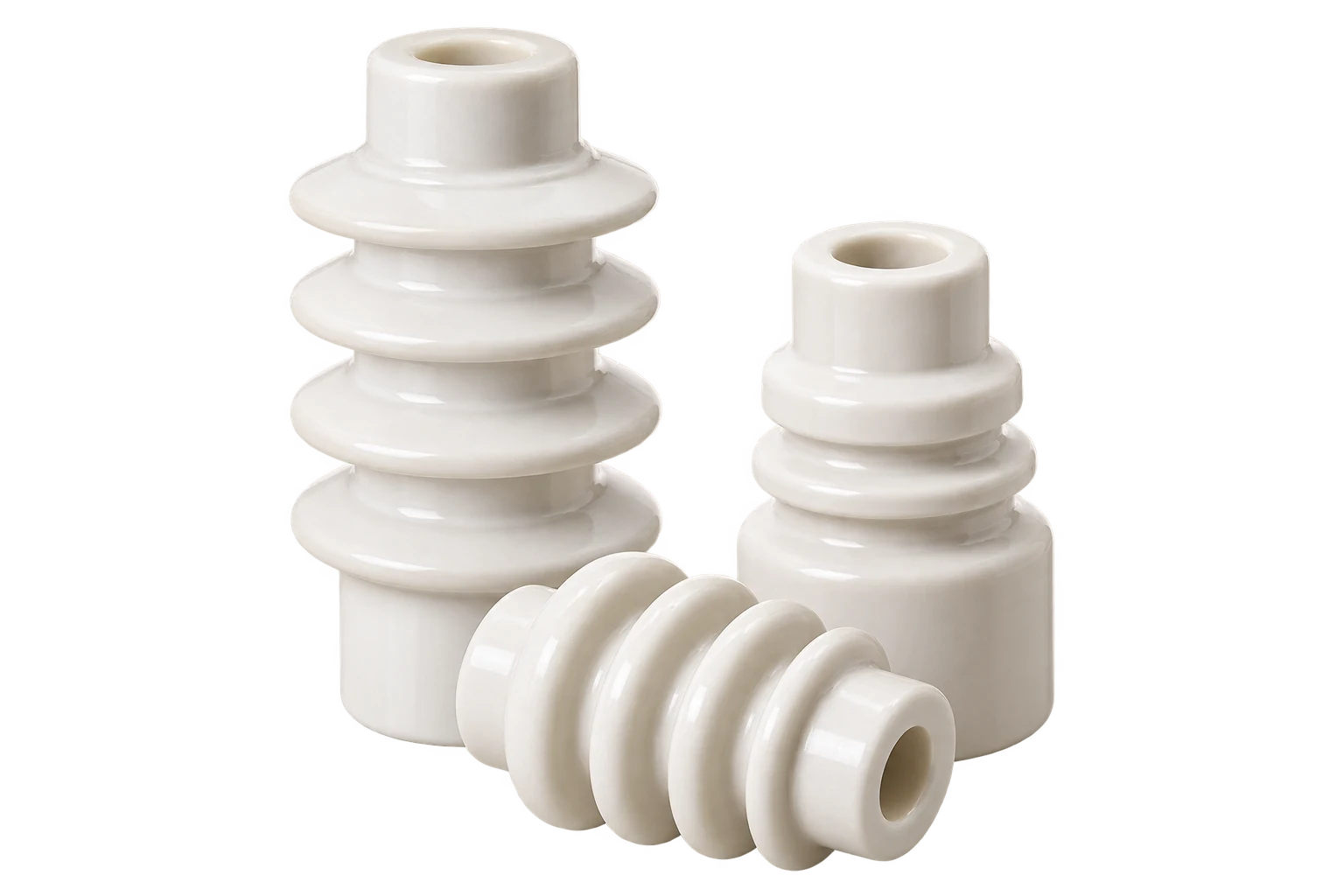 Insulators
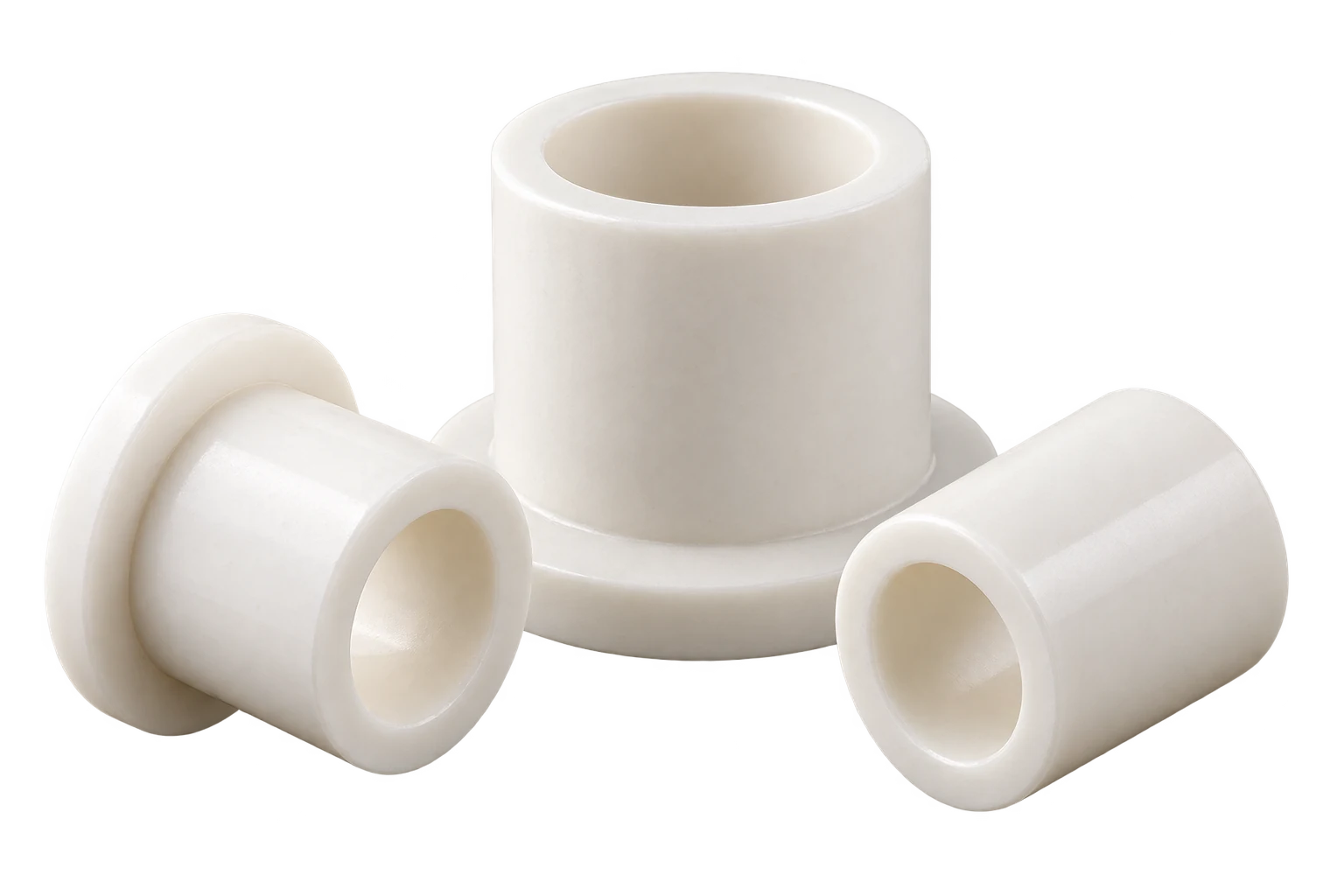 Bushings
Zirconia
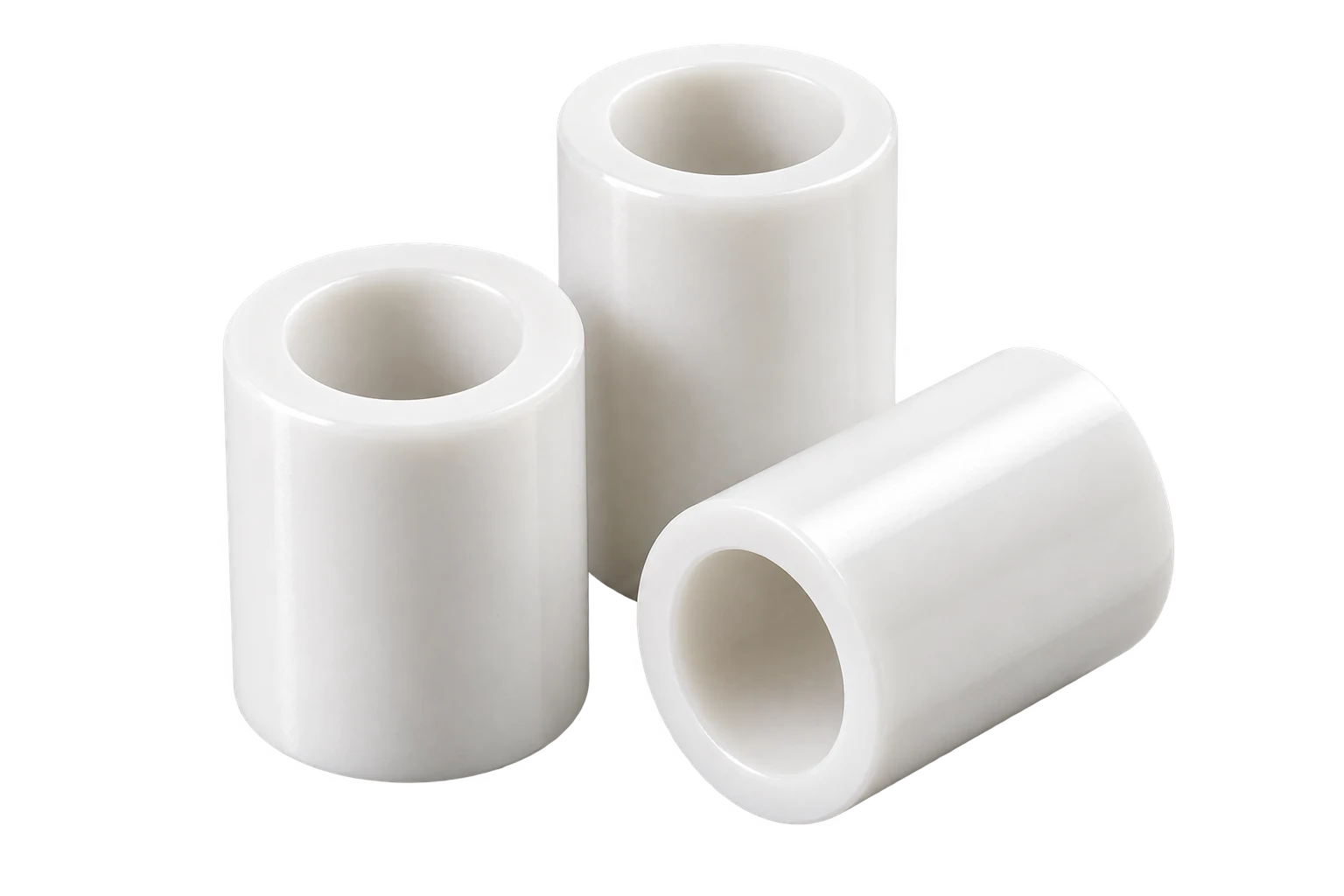 Sleeves
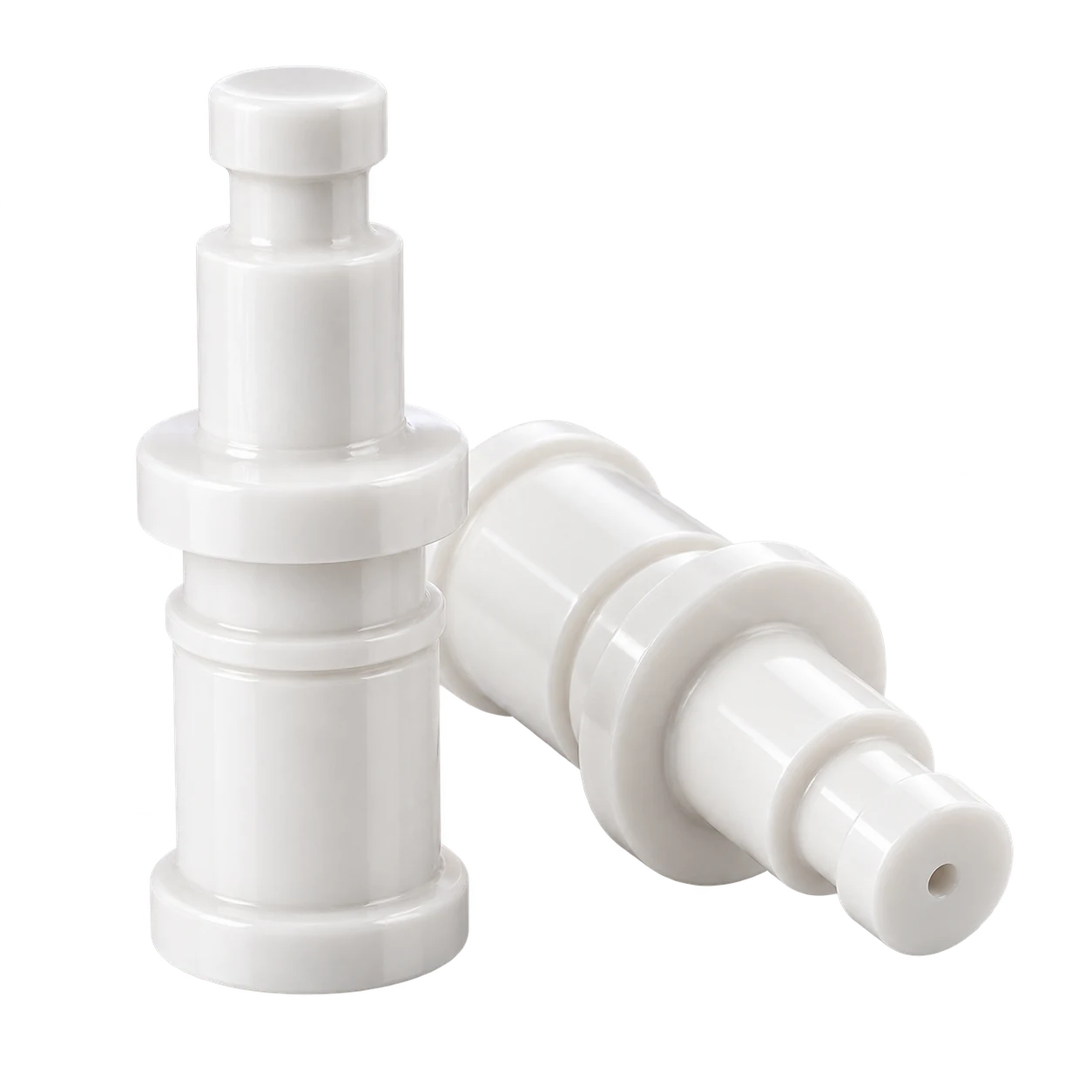 Plungers
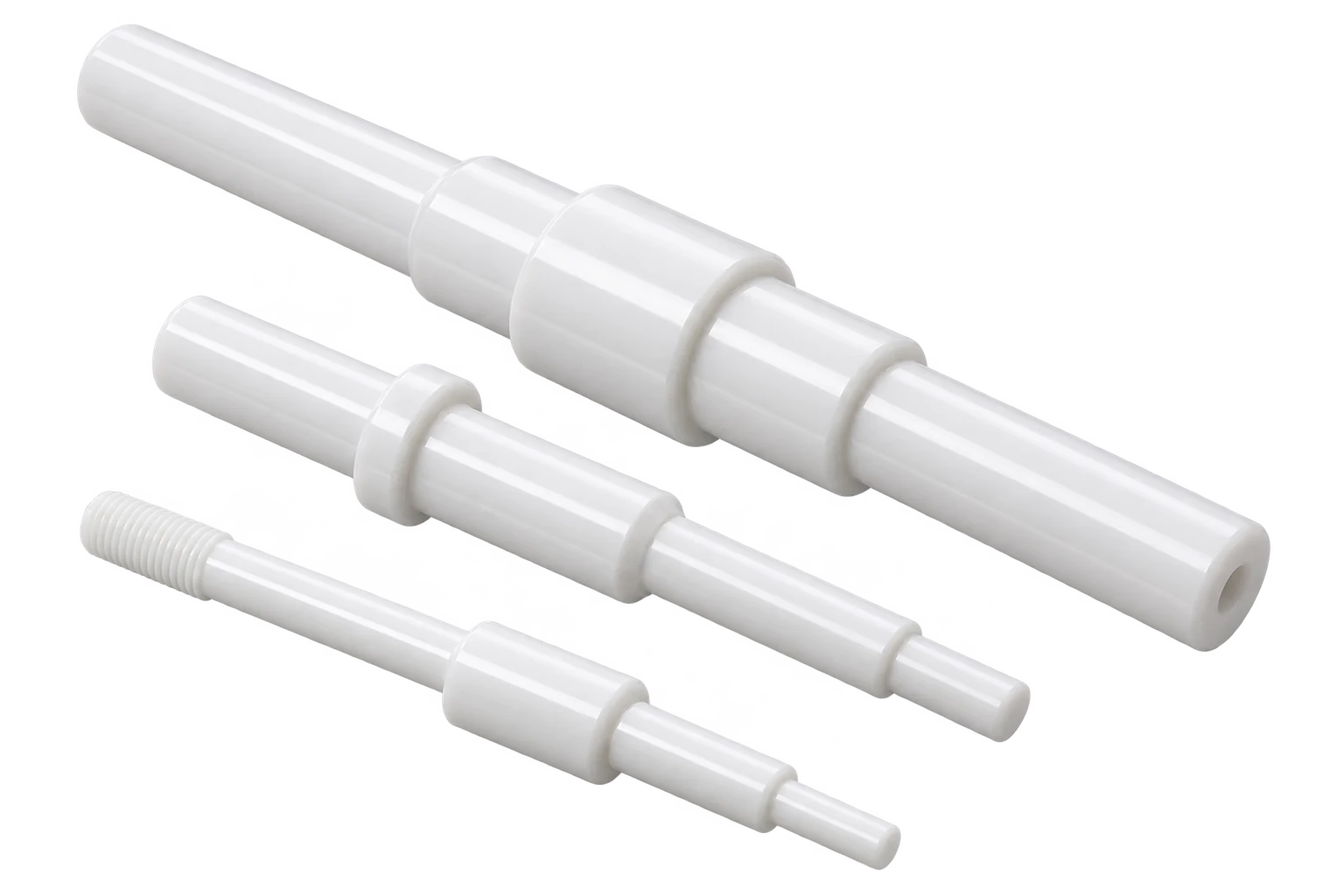 Shafts
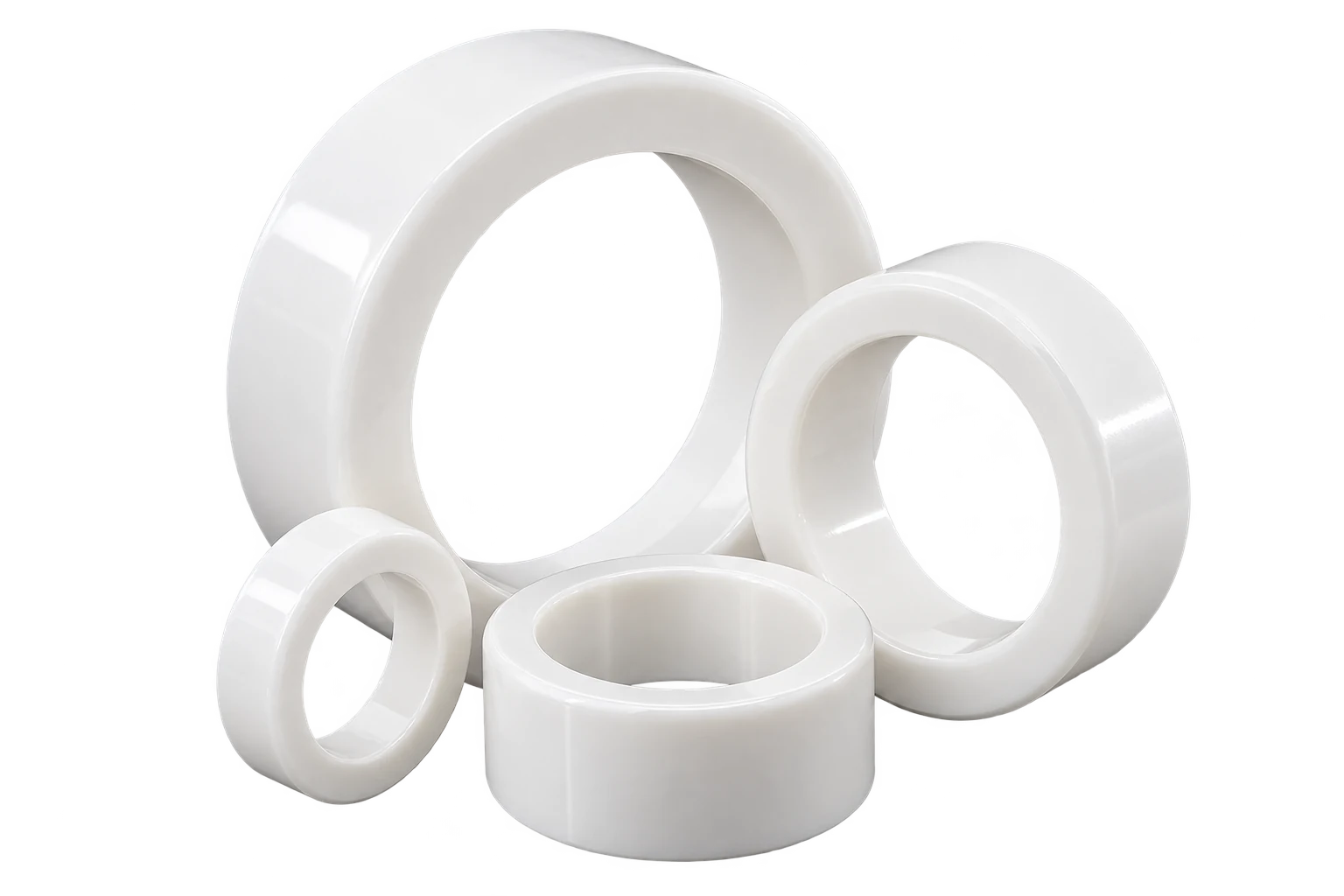 Rings
Rings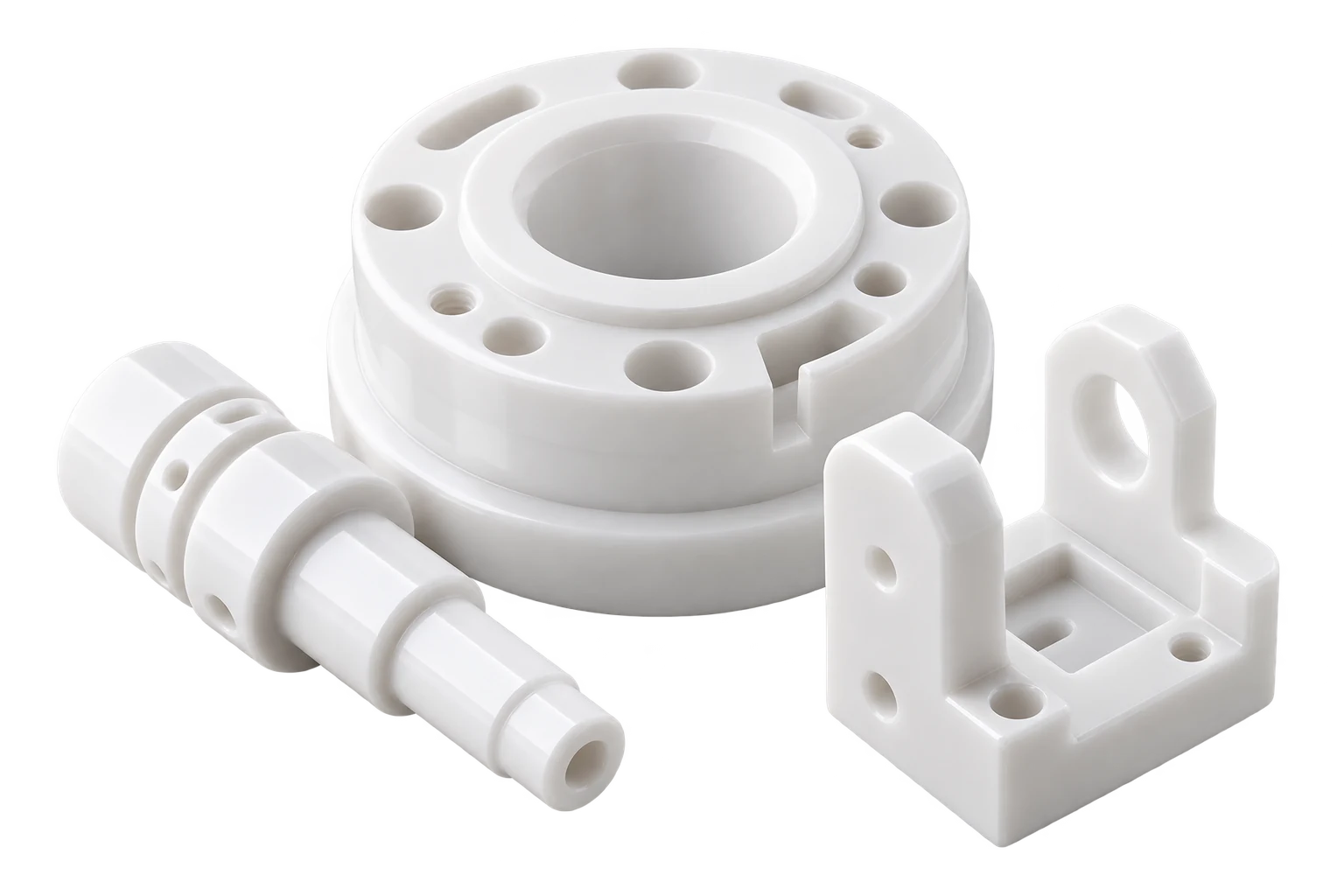 Precision Parts
Aluminum Nitride
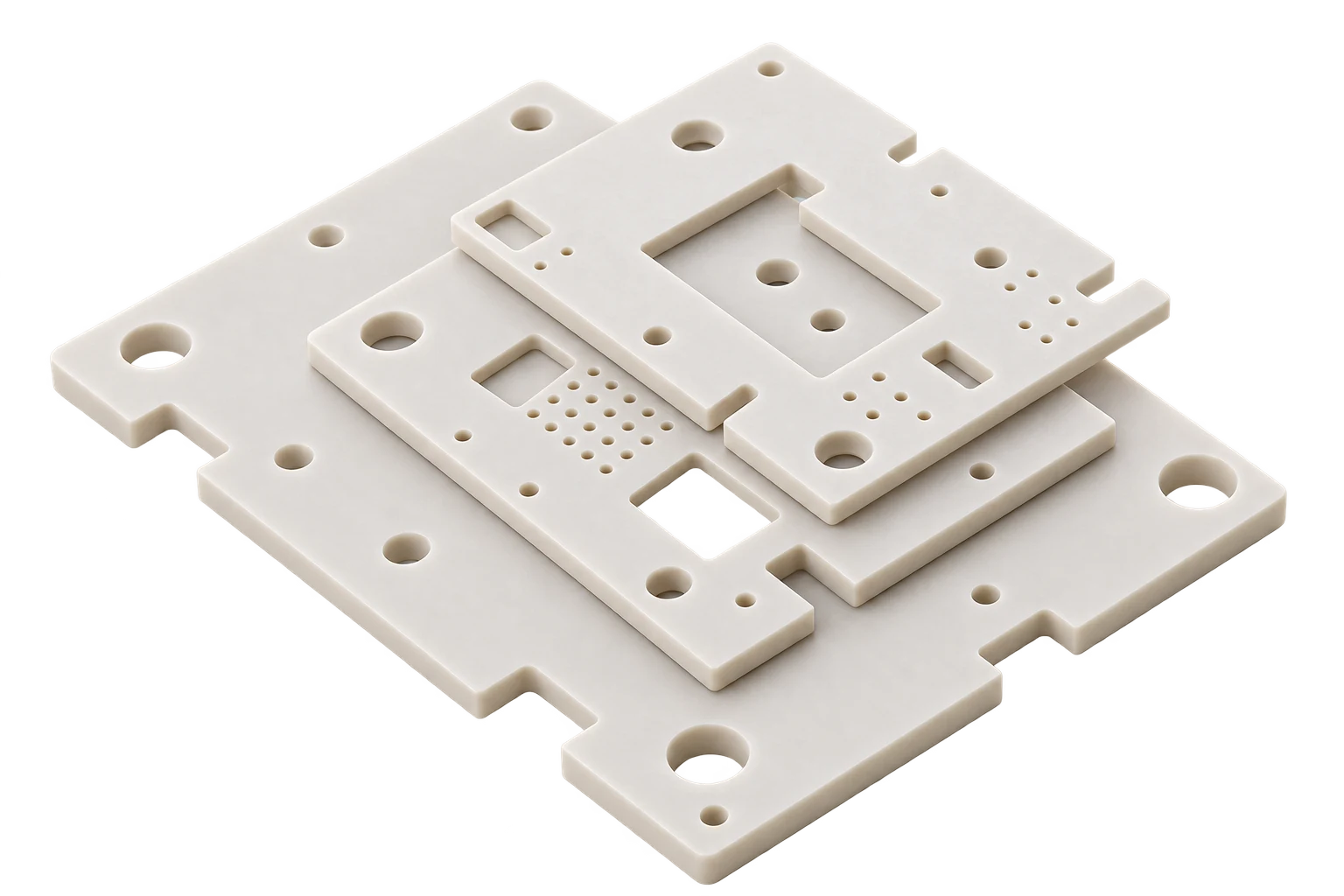 Substrates
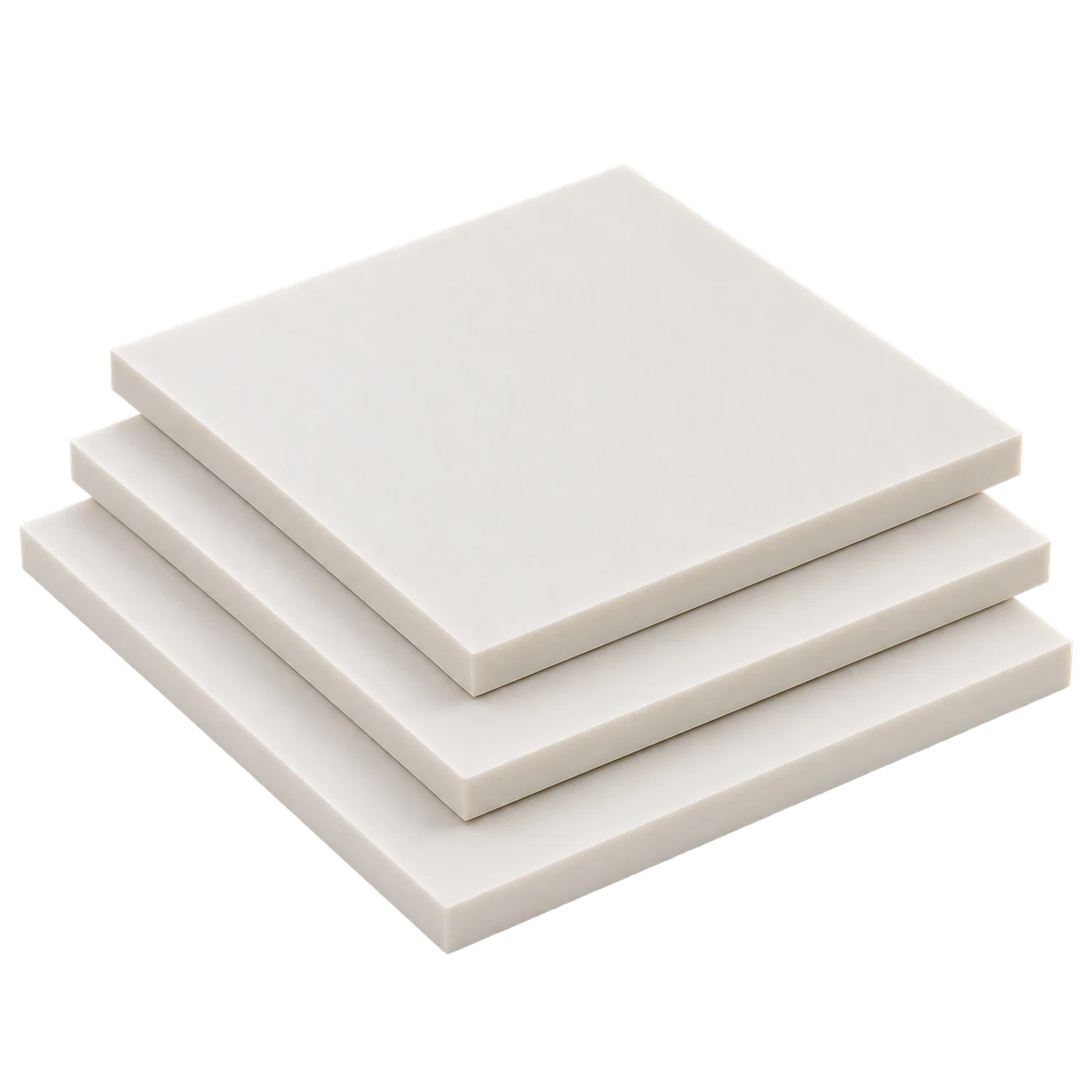 Plates
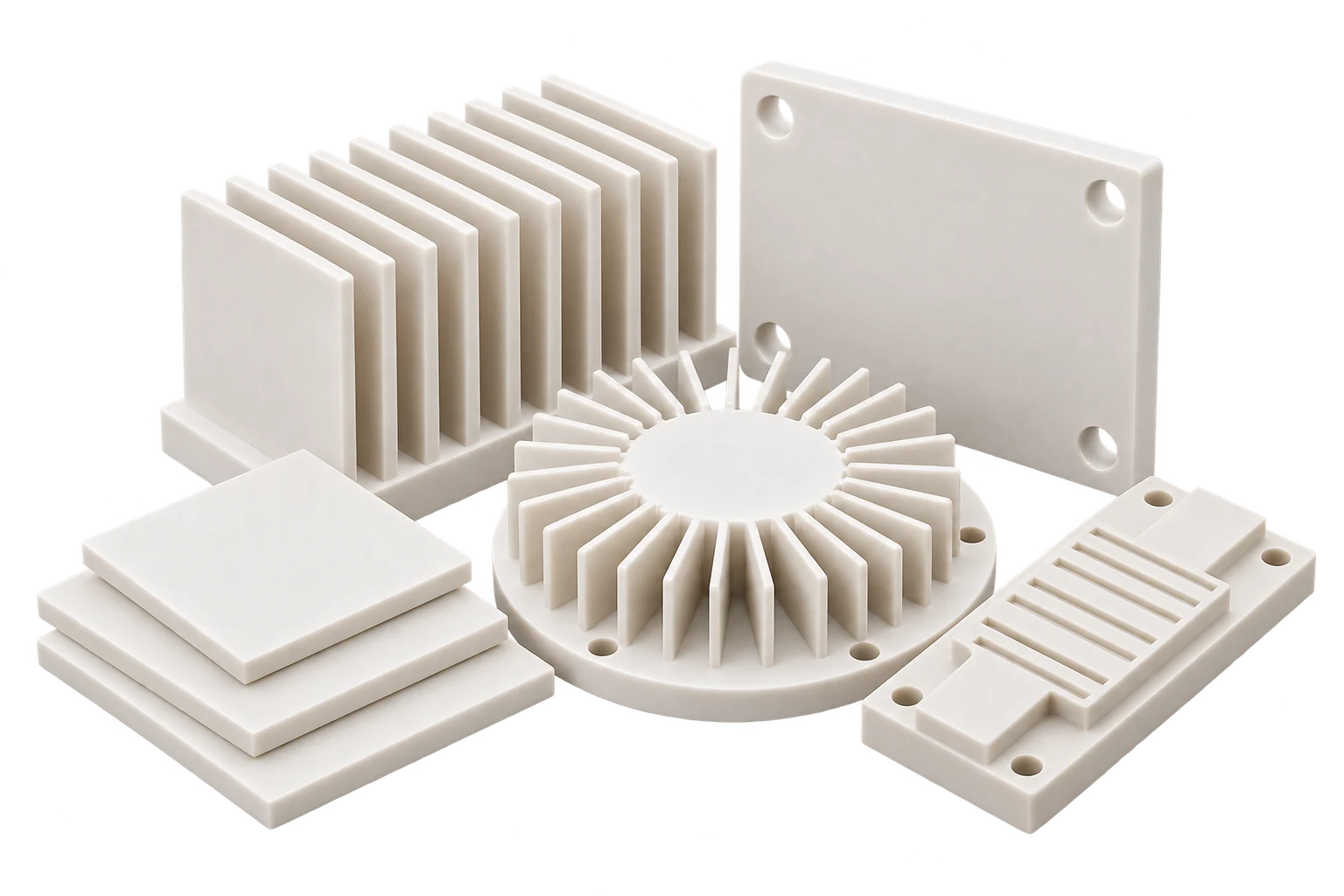 Thermal Parts
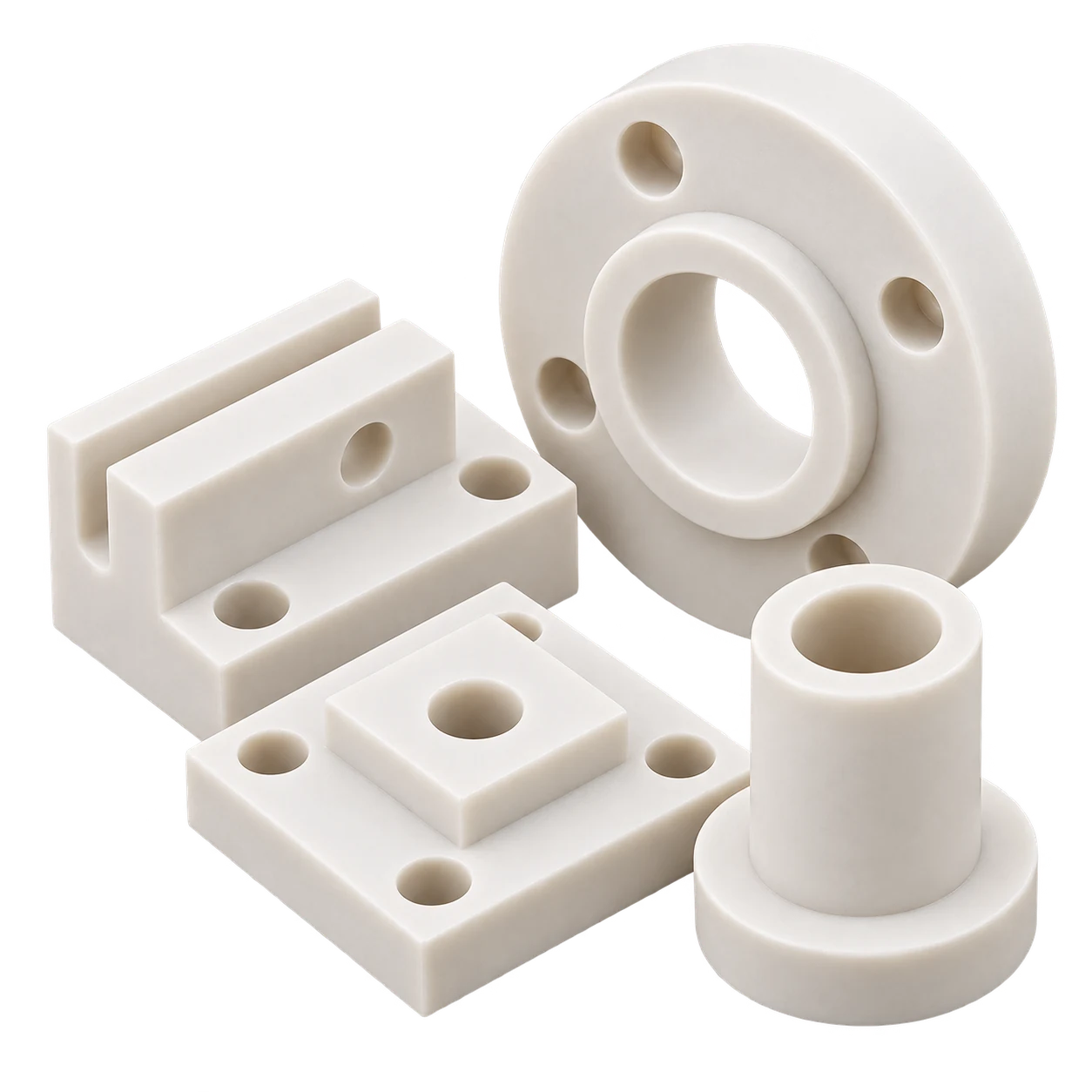 Insulating Parts
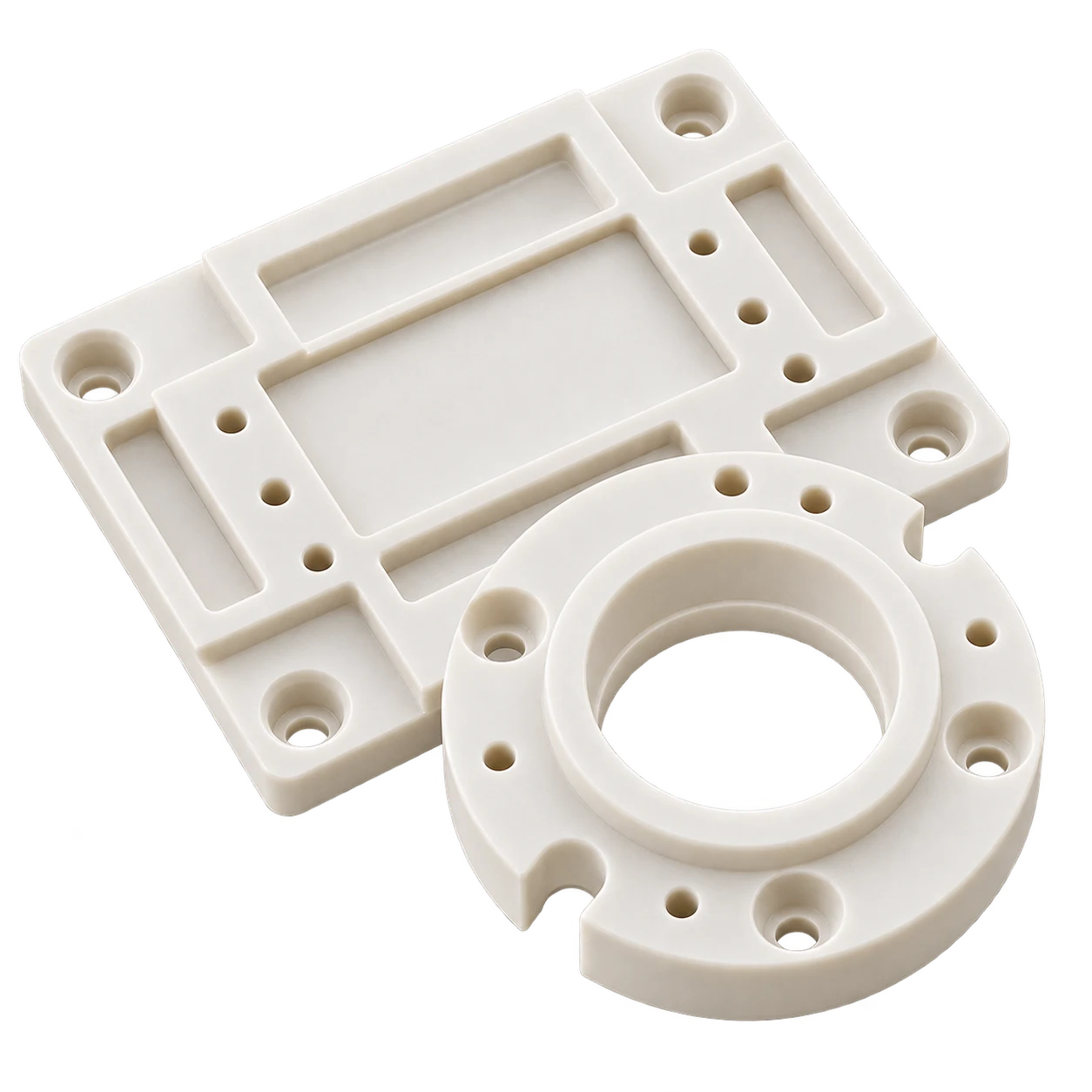 Electronics Parts
Silicon Nitride
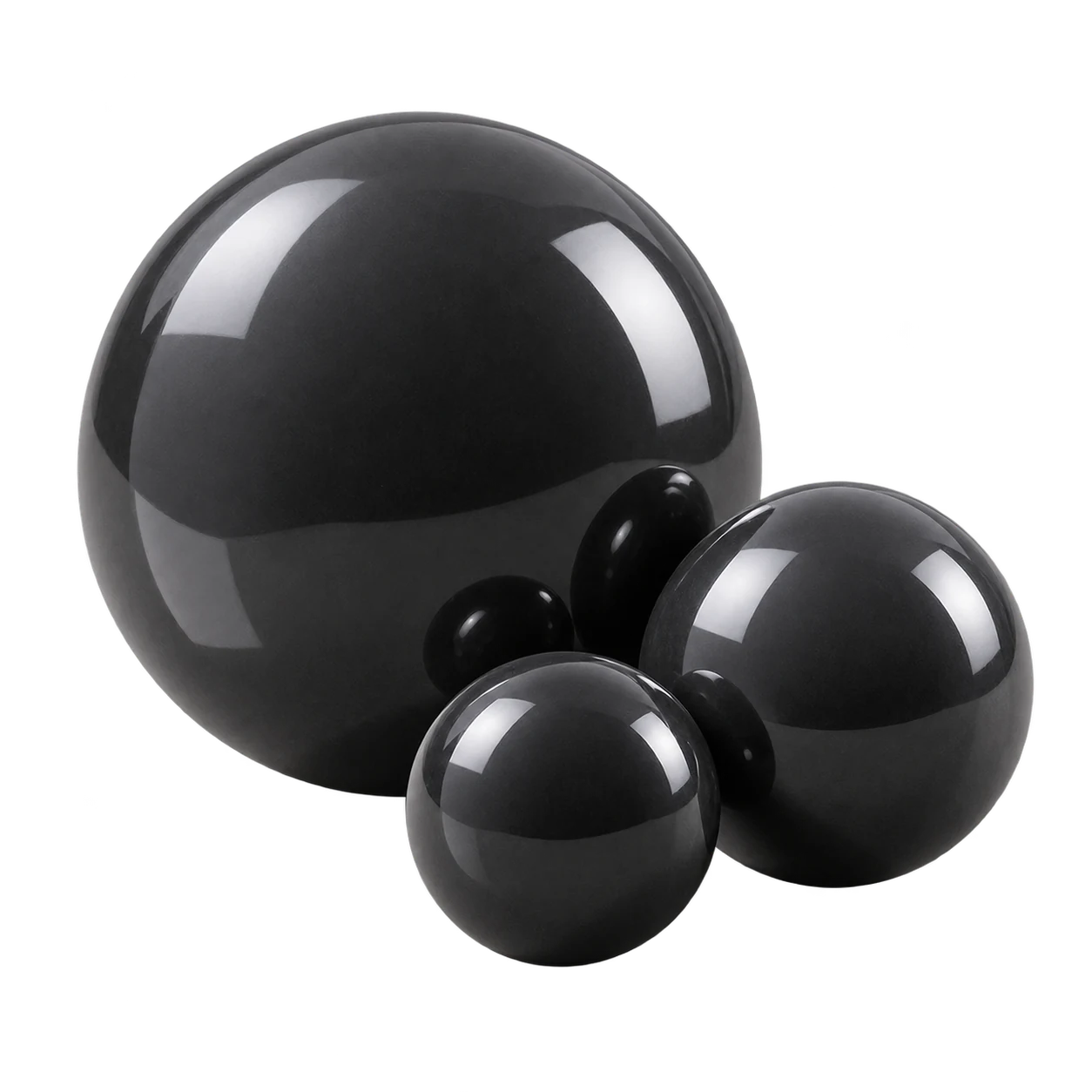 Balls
Balls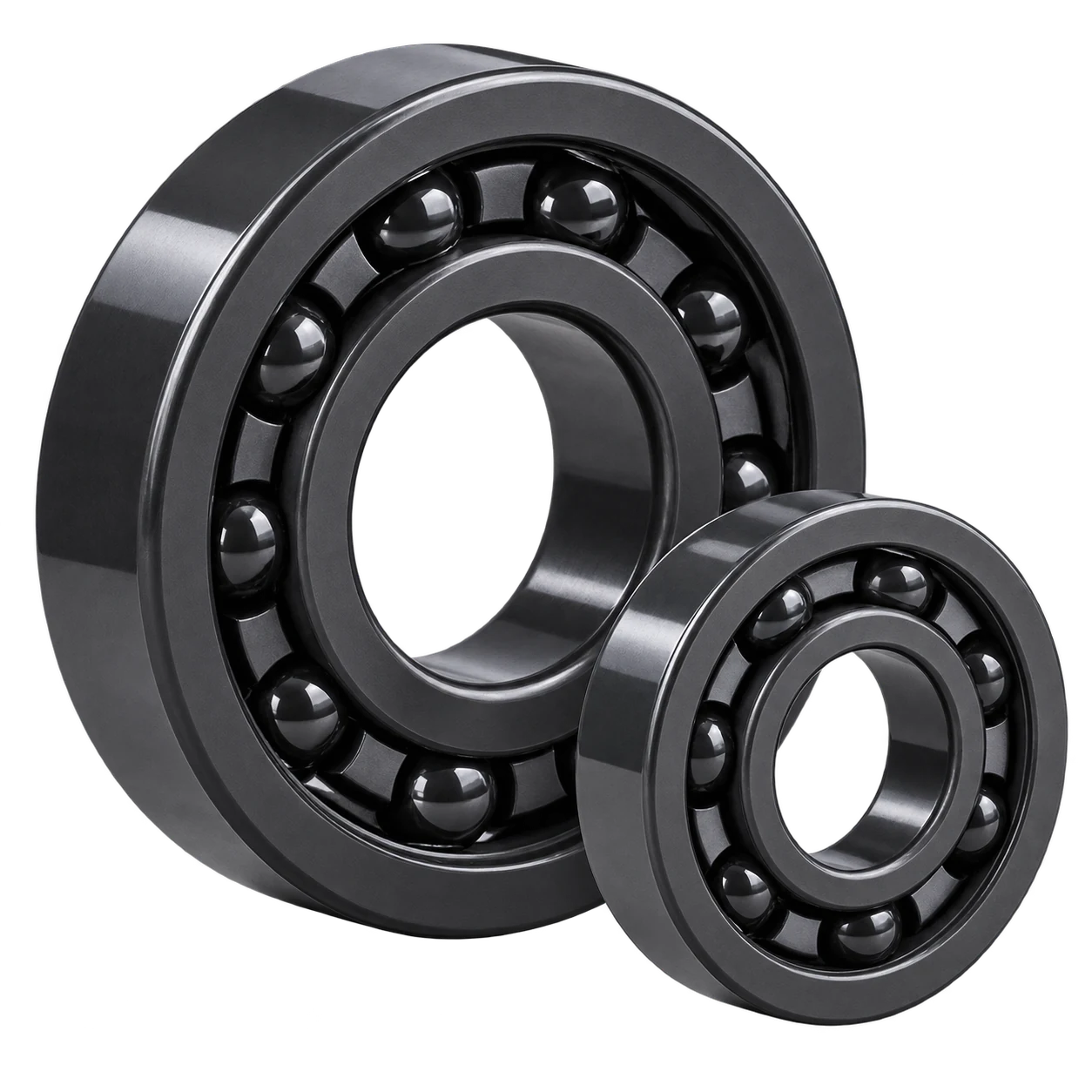 Bearings
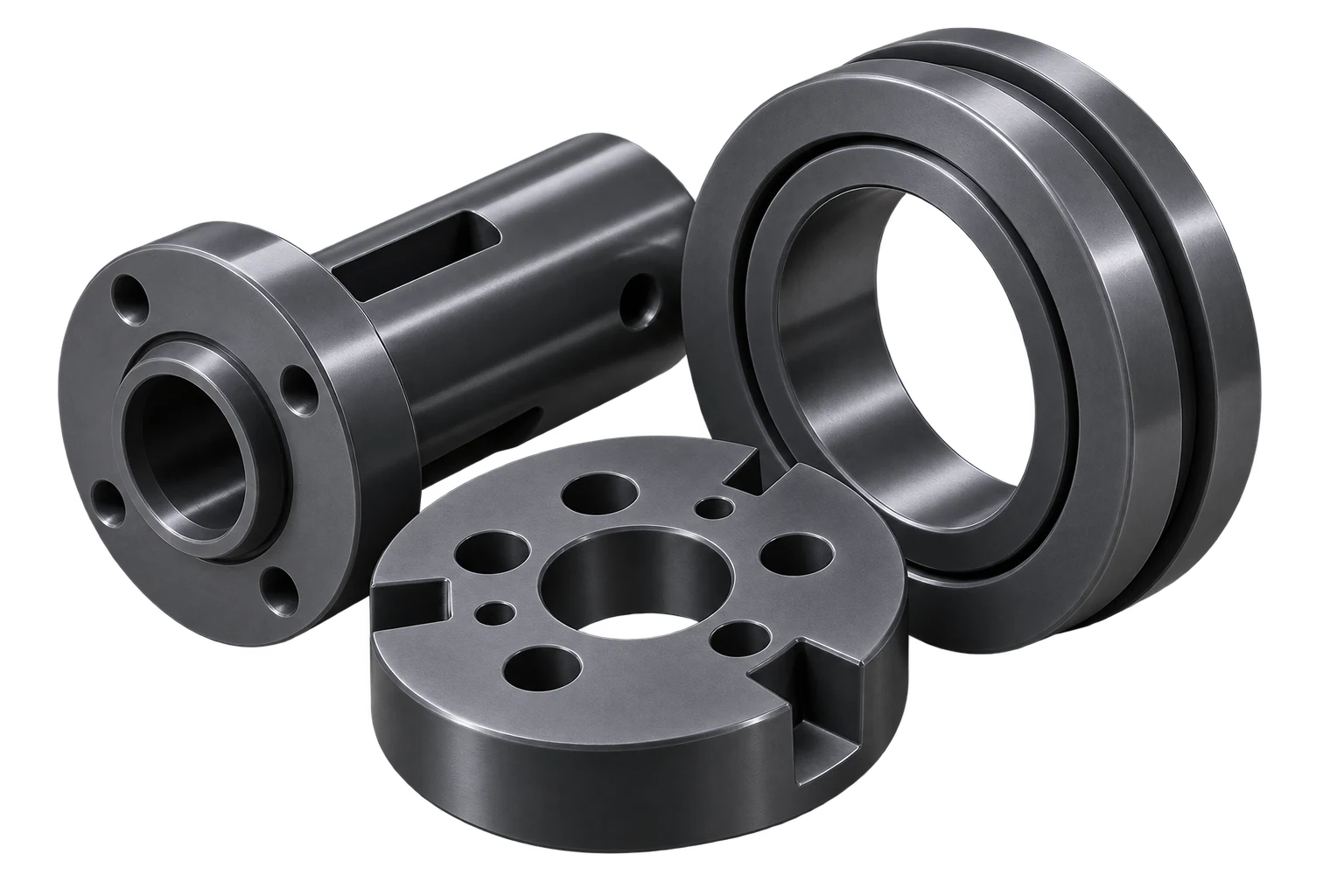 Mechanical Parts
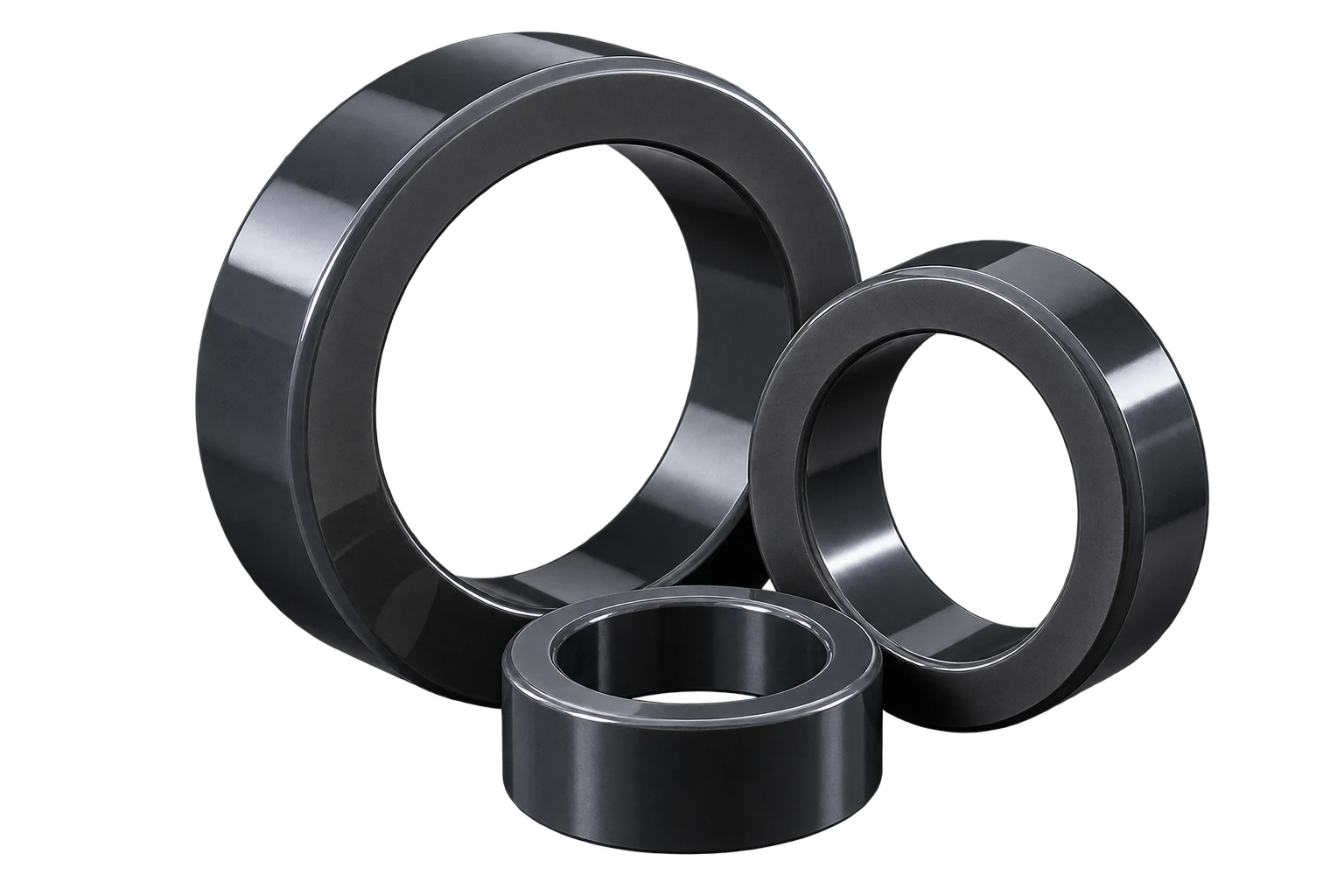 Seal Rings
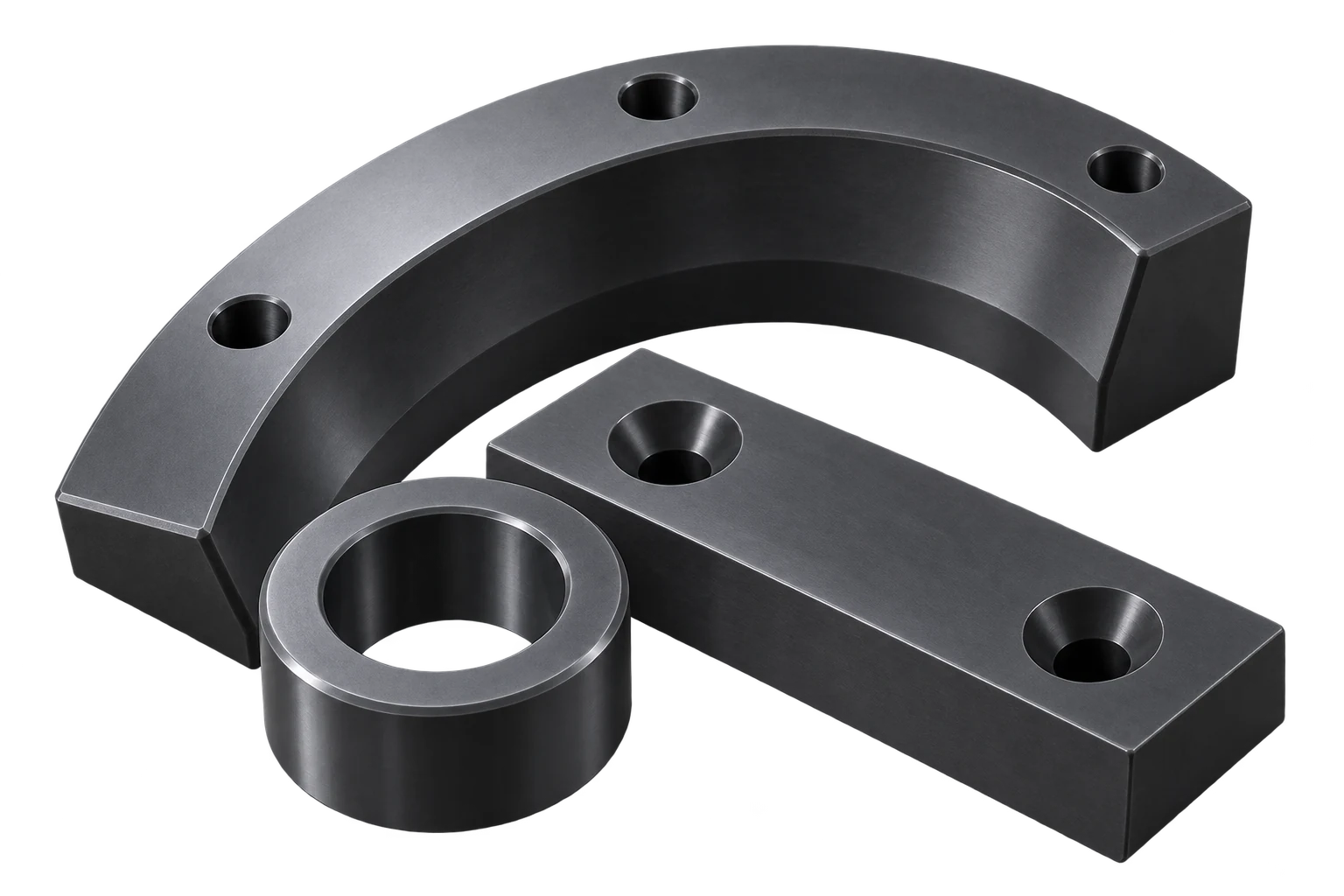 Wear Parts
Boron Nitride
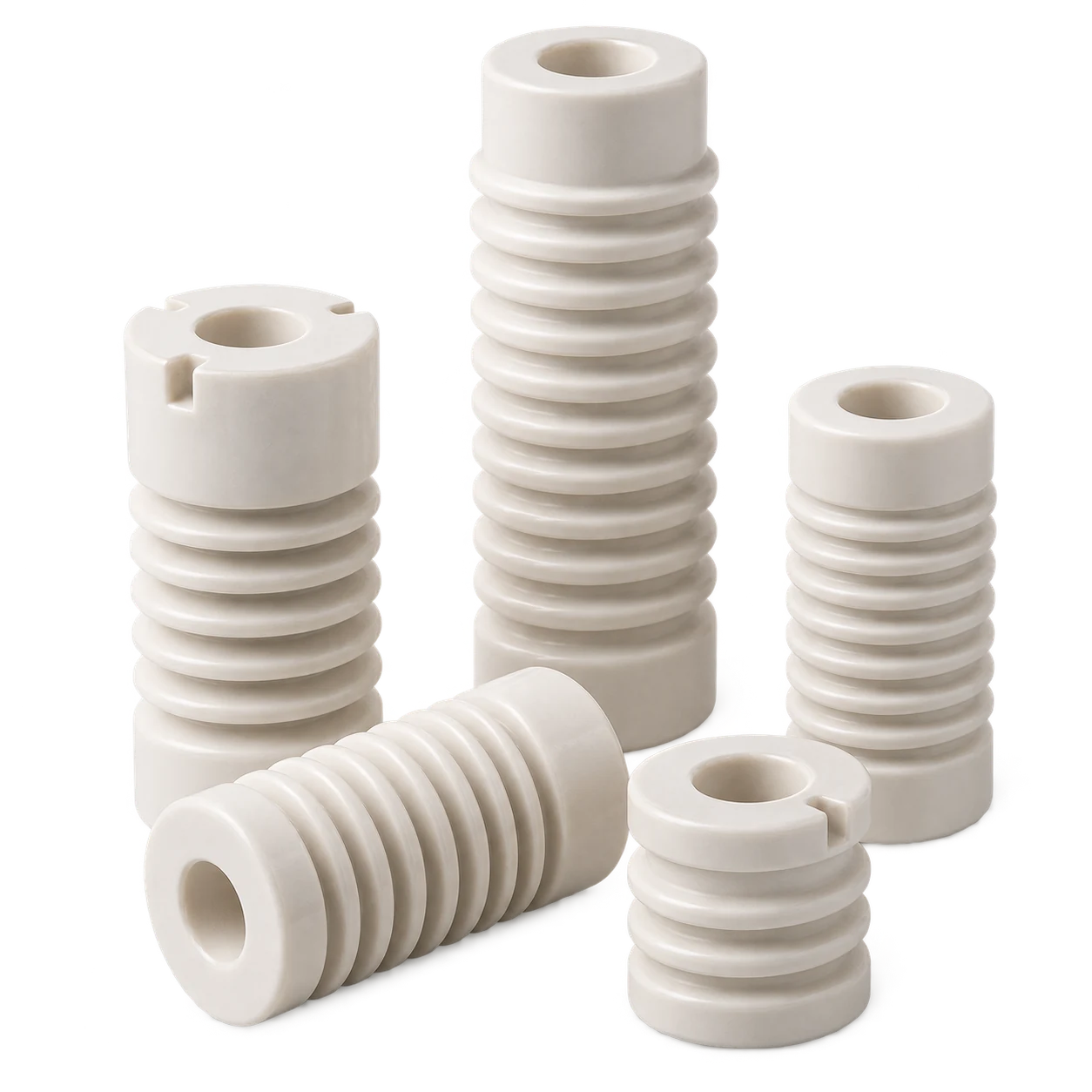 Insulators
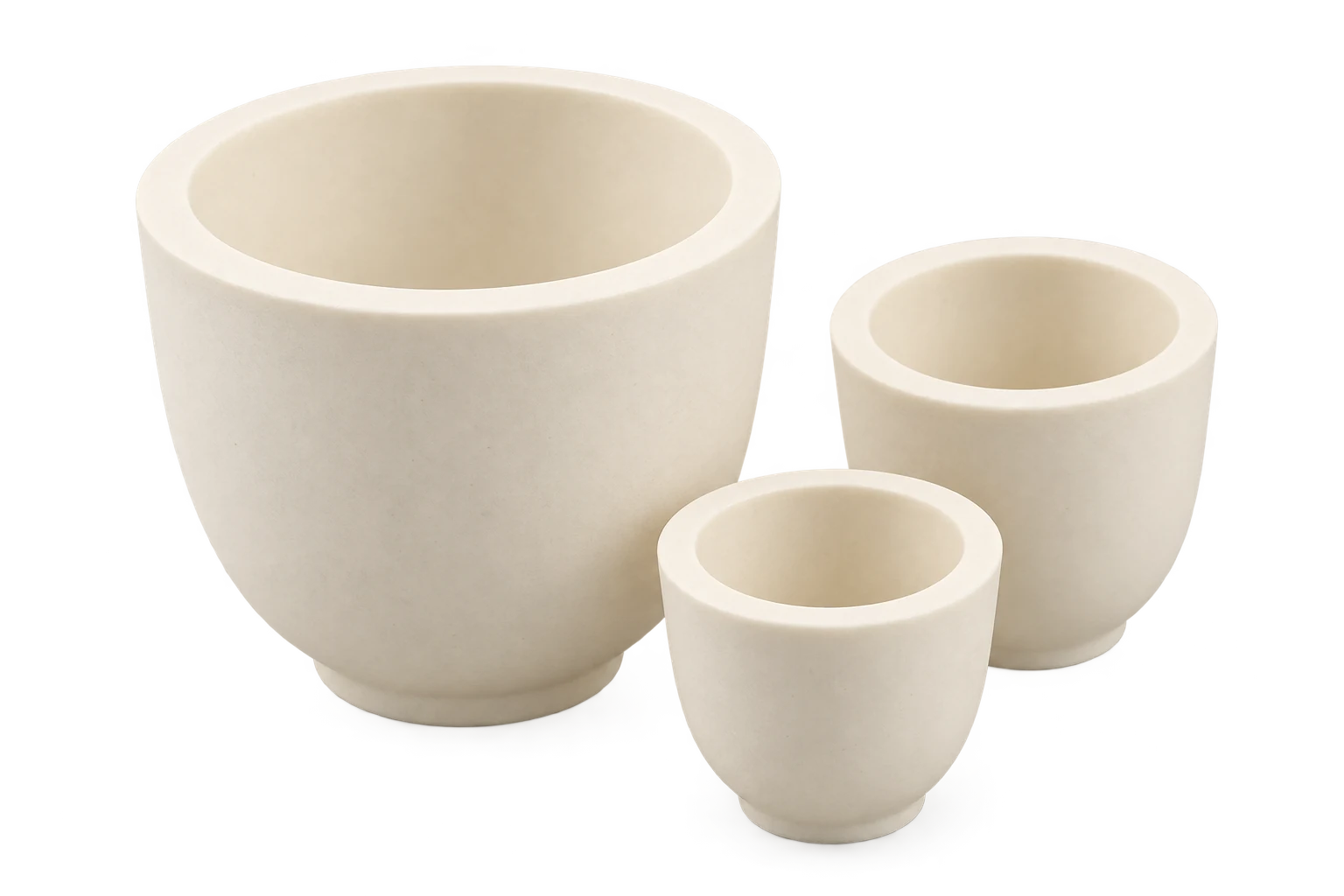 Crucibles
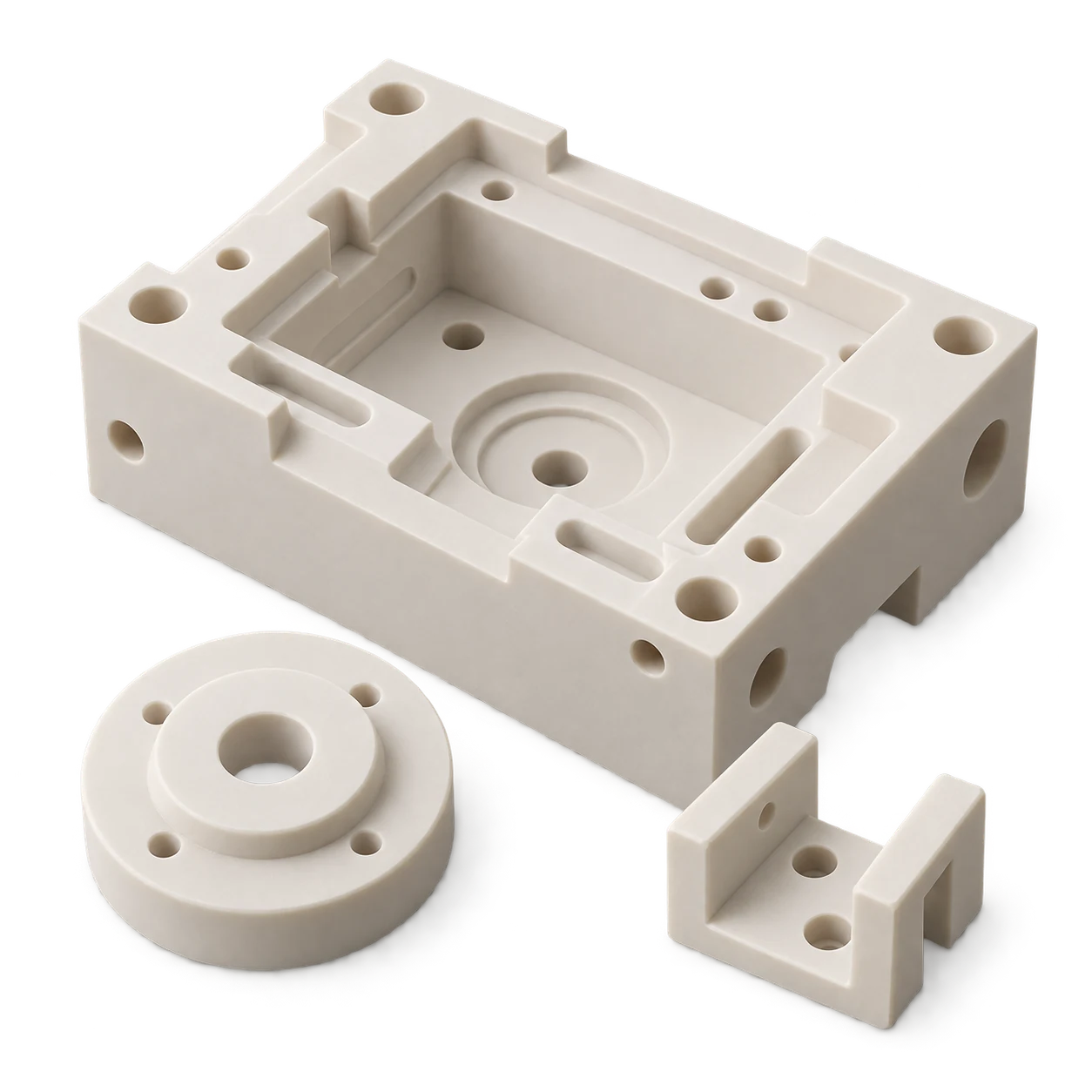 Fixtures
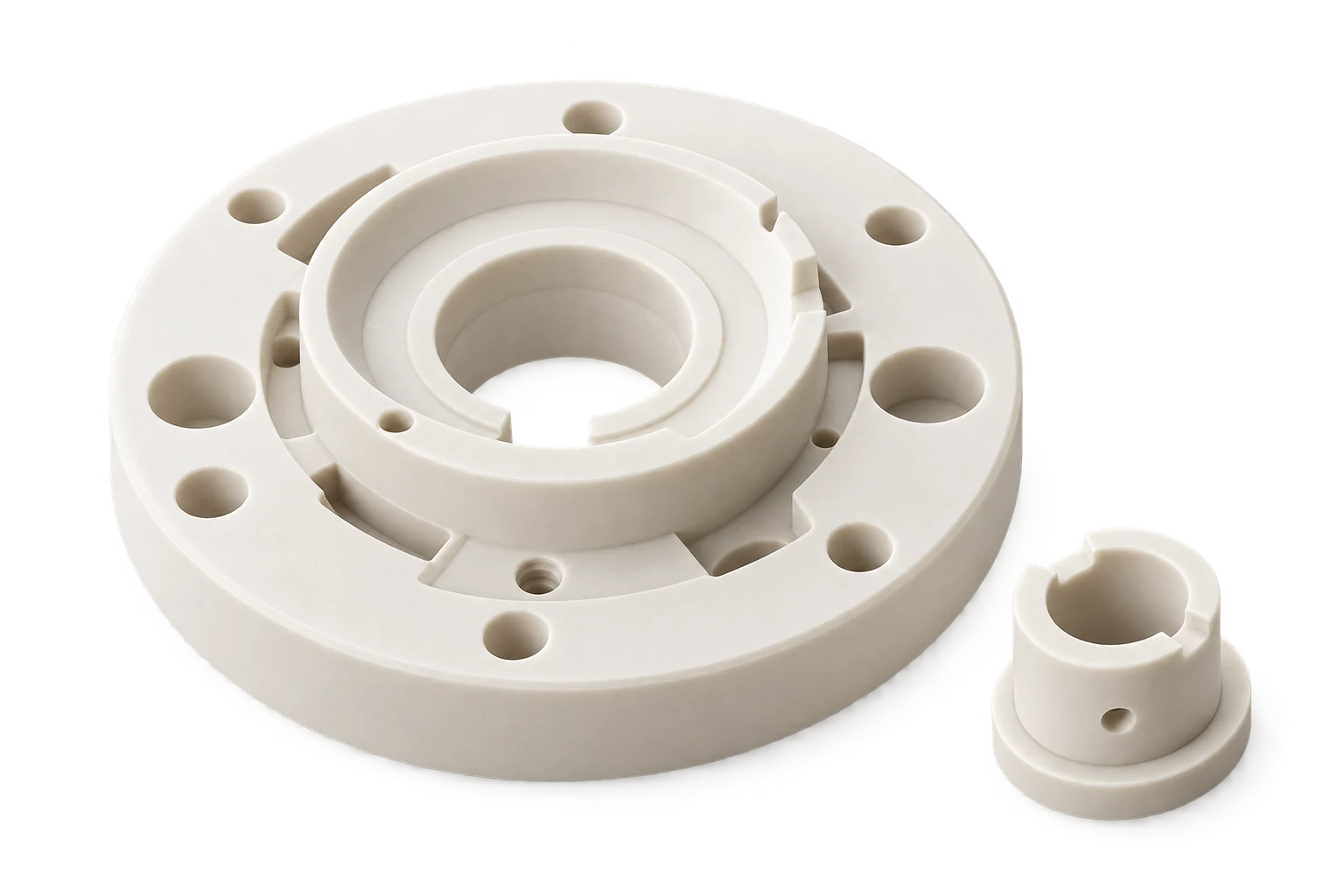 Machined Parts
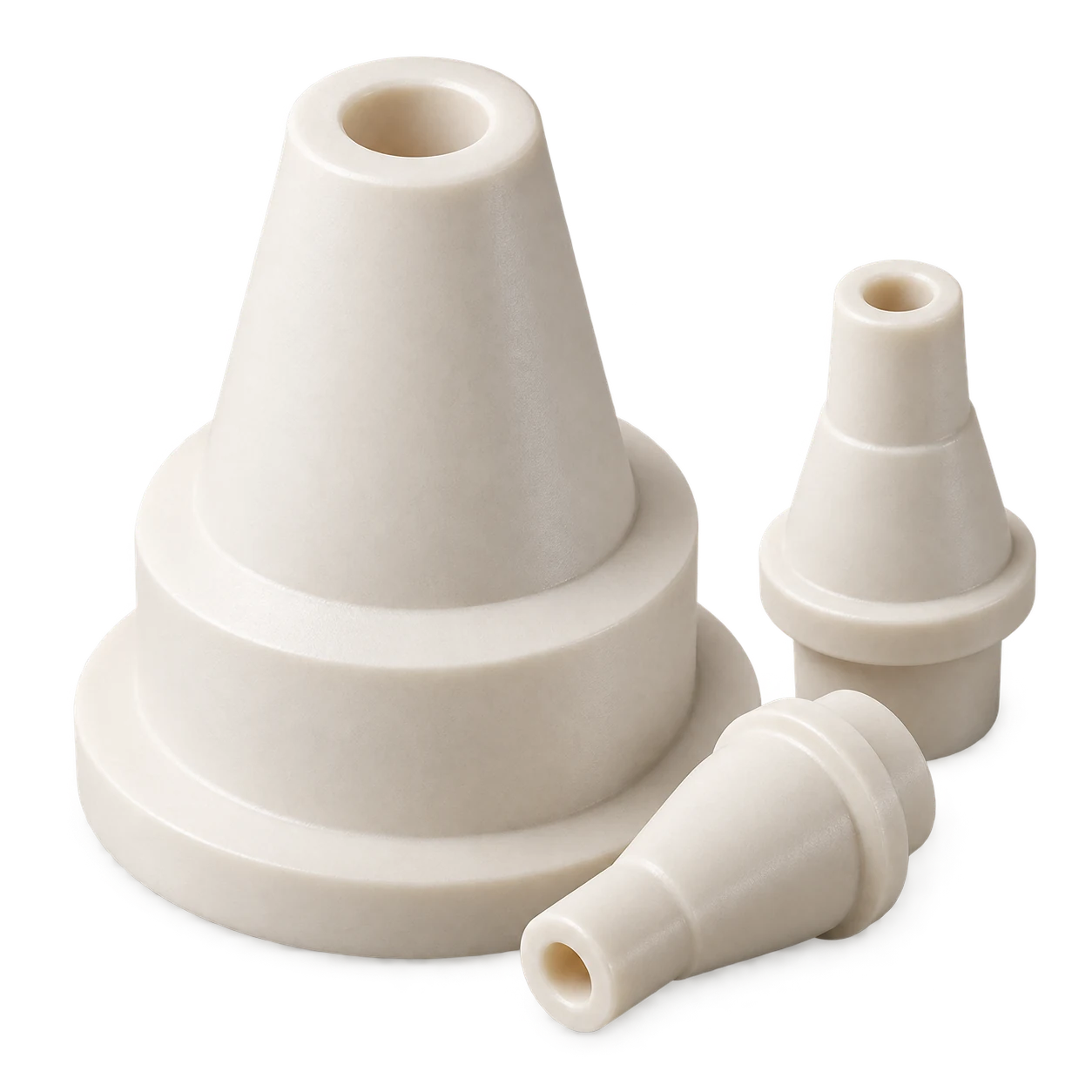 Nozzles
Every Ceramic Material Has Advantages and Limits
Alumina
- Wear resistance
- Electrical insulation
- Cost-performance balance
Zirconia
- Higher toughness
- Precision mechanical parts
- Fine surface quality
Aluminum Nitride
- Thermal management
- Electrical insulation
- Electronic substrates
Silicon Nitride
- Thermal shock
- High-temperature strength
- Rolling-contact duty
Boron Nitride
- Machinability
- High-temp insulation
- Specialized process use
Common Material Selection Mistakes
Choosing by hardness alone
Hardness does not describe fracture behavior, thermal response or assembly risk.
Comparing generic material names
The same ceramic family can contain multiple grades with different properties.
Over-specifying tolerance
Precision grinding should follow functional needs, not habit.
Ignoring assembly conditions
Metal interfaces, press fits and thermal expansion can change the real failure risk.
How Material Quality Should Be Verified
Material Data Sheets and Engineering Guides
Zirconia Ceramic
Grade-specific properties and precision component guidance.
View Resource →Alumina vs Zirconia
Compare the two materials from a buyer and engineering perspective.
Compare →Material Selection Support
Use application requirements to narrow the material family.
View Guide →What to Send for Material Selection
Send the drawing and the operating requirements that control material performance.
Not Sure Which Ceramic Material to Specify?
Send your drawing, operating conditions and critical performance requirements. We can review the material family before finalizing grade, geometry and tolerances.
Frequently Asked Material Selection Questions
Turn Material Selection into a Better Ceramic Component
Start with the application, verify the grade with real data, and then align geometry, tolerance, surface finish and inspection requirements before production.